
12 August 2022
Pointers for Beef Cattle In Warm weather.
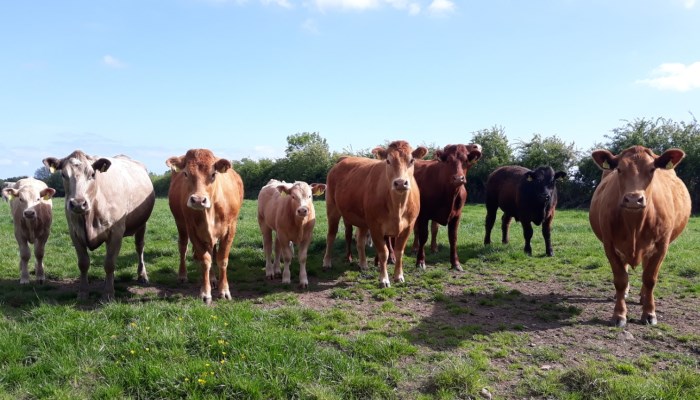
Heat stress is not something that we have to worry too much about in this country but occasionally we are exposed to unusually high temperatures. With that in mind it is important to be vigilant around stock. Beef specialist Aidan Murray has some advice for beef farmers
Cattle generally find it difficult to dissipate heat with larger heavier cattle suffering more in very hot conditions as do cattle with dark coats.
Water requirements
The water requirements of cattle increases during heat stress so making sure cattle have an adequate clean water supply is vital. Lactating suckler cows may consume in excess of 60 litres and weanlings over 30 litres/day. Consumption of water is the quickest method for cattle to reduce their core body temperature.
Access to shade
Can cattle be given access to fields that will offer some level of shade from trees, hedgerows etc. Ideally move cattle in early morning or later in the evening when conditions cool down somewhat.
Summer mastitis
There are some reports of increased risk of summer mastitis in Autumn calving suckler cows and in calf heifers. Fly numbers may get worse in the coming days if temperatures reduce and we get some rain so the risk will increase further. Check vulnerable stock at least twice/day and make sure you get them up and look for any signs of swollen quarters or stiffness when walking. Ideally treat with one of the pour on fly repellents or tags. Equally consider putting Stockholm tar in and around the udders every 10 days until the risk period is reduced.
Animals that have been infected will need to be taken in, the quarter stripped out, treated and checked for a high temperature. Your vet can advise you if an anti-inflammatory or antibiotic is needed.
We know that for the next few days cattle will be at increased risk of heat stress so they need to be observed closely to identify if additional strategies need to be implemented