
01 August 2023
Quarantine procedures for sheep coming onto the farm
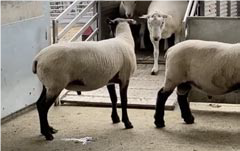
Damian Costello, Teagasc Sheep Specialist, outlines best practice for binging new animals onto farm.
The July to September months each year see a lot of movement of breeding stock and store lambs between farms. The risk of buying in animals carrying infectious disease or resistant parasites should not be underestimated. A closed flock, where only rams are purchased, significantly reduces this risk but it is important to be aware that sheep taken home unsold from market or those returning from shows can potentially bring back disease to the farm.
Aim to source new stock from a healthy flock
It is best to purchase from sources known to be a healthy flock. Where possible talk to the vendor about his flock health status – in particular ask about vaccines being used, incidences of enzootic abortion, lameness issues, any known resistance to anthelmintic/flukicide products as well as the presence of the so called iceberg diseases. At the point of purchase carry out a thorough check for any signs of disease and do not buy sheep that are lame or with any other visible issues.
Quarantine treatment – internal parasites
All incoming sheep should go straight to the handling yard. The advice is to treat with Zolvix (POM) and either a levamisole or macrocyclic lactone based product. These drenches are administered sequentially (not mixed) and animals should be then housed for 48 hours to ensure any viable stomach worm eggs are shed indoors before being turned out to pasture that is regularly grazed by sheep. The need to treat for liver fluke should be assessed based on time of year and prevalence of liver fluke infection on the farm of origin.
Quarantine treatment – lameness
Footbath all new arrivals on the farm in a 10% zinc or copper sulphate solution ensuring adequate stand-in time. Over the quarantine period, closely observe the group for signs of lameness particularly footrot and Contagious ovine digital dermatitis (CODD). The latter, CODD, usually starts as an ulcer above the hoof and proceeds to penetrate down under the horn. If in doubt contact your vet for a diagnosis of unusual foot conditions as it is difficult and expensive to treat CODD and is best kept out of the flock. Also consult with your vet re treatment of any clinical lameness cases ensuring they are treated and fully cured before mixing with main flock.
Quarantine treatment – external parasites
If any signs of external parasites are observed during the quarantine period the first option is to plunge dip the entire group ensuring the correct product is used at the correct rate with each animal having at least 60 seconds contact time in the solution. It should be noted that veterinary advice warns against dipping with an organophosphate based product within 14 days of using a levamisole based drench. If your intention is to dip, use macrocyclic lactone and Zolvix for the quarantine drench. In the situation where only small numbers of sheep are coming onto the farm, rams for example, dipping may not be practical. In this case an injectable macrocyclic lactone may be used to cover external parasites and can double up as part of the quarantine drench for stomach worms already outlined.
Quarantine treatment – vaccination
New additions to the flock should be enrolled on whatever vaccination programme that is in place on the farm eg primary and booster course of clostridial vaccines. Where the status of the flock of origin in relation to enzootic abortion is unknown discuss with your vet the option of vaccinating replacement females against the disease.
Quarantine of incoming sheep
All sheep coming onto a farm should be isolated and managed separately from the existing flock for a minimum of 28 days in order to monitor for clinical signs of disease. In this way an outbreak of infectious disease can be contained within the quarantined group and treated appropriately before mixing with other sheep. It is recommended to provide disinfection facilities for all farm visitors. The sharing of livestock trailers or other equipment with other farms should be avoided unless they are thoroughly disinfected.
Flock Health Plan
A detailed flock health plan drawn up in conjunction with the veterinary practitioner to the farm should ensure the optimum health and welfare of sheep on the farm. This in turn will have a positive impact on flock performance. A key aspect of any such plan should be a set of practical steps to be taken with incoming sheep with the aim of not introducing any new health issues to the flock. The health plan, including biosecurity measures, should be reviewed regularly to take account of any change in farming practices. The issues already outlined are the more common ones but should other problems arise, seek veterinary advice and take the recommended course of action.