
21 January 2023
Happy staff, happy horses
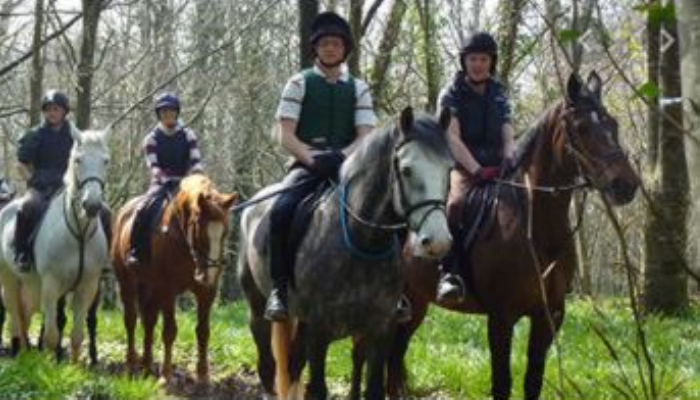
Good staff management is key on farm enterprises. Seán Keane, Equine specialist, Teagasc Rural Economy Development Programme tells us more.
Nearly a quarter of employees in the equine industry leave their job annually for different reasons. This highlights how difficult it is to retain staff and that employers are not doing enough to keep them. Staff shortages and turnover have been a consistent problem in the equine industry in recent years. You could say the same for the dairy industry. A range of factors from eco- nomic to geographical are at the root of the problem. Managing staff well, when you get them, is more important than ever. As a stud farm manager myself for many years, I have always found that a happy workforce leads to happier, healthier horses with increased care and attention to detail. The result is that yards and farms run more efficiently.
Recruitment
Staff recruitment is difficult at the moment and there seems to be a shortage of talent looking for work in the equine industry as a whole. There are several reasons for this;
- Wages, hours and conditions.
- Skill set and education.
- Location and living conditions.
As horses need to be cared for 24/7 for 52 weeks of the year, it makes hiring all the more difficult, as people like to have their weekend off and don’t necessarily want to work every second or third weekend. There are early starts and late finishes in some wet, cold and damp conditions, which may not appeal to everyone. Similar staff challenges confront all farmers. In terms of skill set and education, Ireland has always had an affinity for the horse. Many of our young people have grown up around horses and animals on farms, but this demographic is now changing and the pool of young people with this important talent is much smaller. Most equine and farm enterprises can’t be accessed by public transport and employers have to offer suitable accommodation for their staff in an effort to make the package satisfactory. Staff will often need their own transport as well.
All of these factors make the pro- cess of acquiring staff difficult and time consuming and employers spend a lot of time interviewing to find the correct individuals to fill these roles. Skill set and education are very important for employers as they narrow their search for candidates. It is important to define what you are looking for and hire accordingly. There are many educational courses out there within the equine sector, from universities, schools, stud courses and apprenticeships. All offer different qualities and at different levels. Be aware of what these qualifications entail and the level of expertise you can expect from graduates. Teagasc Kildalton College runs very good courses at QQI level 5 and 6 in equitation and stud management. The facilities are excellent and the courses are very hands-on, which means graduates are strong on theory but practical aspects too. This sets students up nicely to enter many segments of the equine industry and makes them an attractive acquisition for potential employers.
Good staff are those that display great horsemanship skills, duty of care to all around them, reliability, punctuality, a willingness to learn and a love of the horse. Horses are creatures of habit and like continuity in their life. It makes huge sense to try and hold onto good employees and keep that routine for the horse.
It also makes financial sense. Happy and well looked after staff are more likely to stay and work more productively than those that are not. Also, you don’t have to spend time constant- ly training in new staff. Retention of staff is cost effective in the long run, as it minimises disruption and maintains routine, while allowing the business to run more efficiently. It allows management to get on with their job, not having to be recruiting the whole time. Retention also saves on advertising fees and recruitment agencies.
Examples of ways in which employers can reward staff and make them feel appreciated include:
- Reward them individually, or as a team, for achievements resulting from their good work. These might include big race success, good sales results or horses looking well and healthy.
- Be positive around staff and encourage good work. Try not to be critical.
- Be thankful and polite. Address staff by name.
- Include staff in the project and make them feel part of the success.
- Offer support and make them feel that they can discuss issues or offer advice and ideas on work matters.
- Treat everyone fairly and provide a safe work environment.
- Organise activities such as a meal together or team building events such as bowling or an evening of racing to encourage team bonding and a good feeling among employees.
It must be something they all want to do though and don’t let anyone feel left out. Continually check in with individuals to see if they are OK and offer them support if needed.
Benefits
By rewarding and caring for your staff, your business, whether it is a stud farm, racing yard, livery yard, competition yard or leisure facility, will reap the benefits, which are:
- Happier staff.
- Happier horses.
- Better routine with less disruption.
- Increased productivity.
- Pleasant working environment.
- Lower staff turnover.
It is always important to understand that to be successful, you have to have the right structures in place and that your workforce is a major component of any success.
If you treat staff right and fairly, you will get so much more in the long run. It should be your goal to do the best you can to provide a healthy, happy and safe workplace. Remember – ‘happy staff, happy horses.’