
James Dunne, Teagasc Dairy Specialist, shares some management practices farmers can employ in order to control thermoduric bacteria levels.
Thermoduric bacteria naturally occur in the cow’s environment, in soil, faeces, animal feed and bedding. These bacteria survive the pasteurisation process, therefore cause issues in relation to milk processing and can limit the shelf life of pasteurised milk. Increased emphasis should be placed on the correct management practices in order to control thermoduric levels.
Cow cleanliness
Initial contamination of milk occurs during the milking process if udders or teats are contaminated with material such as soil or faeces. This often results in moderate thermoduric counts. Ensure the cow’s environment is kept clean, with particular focus on farm roadways and collecting yards. Clipping cow’s tails and udder hair shall help improve cow hygiene. Milkers should always wear gloves when milking and wash them regularly throughout the milking process.
Correct plant cleaning procedure
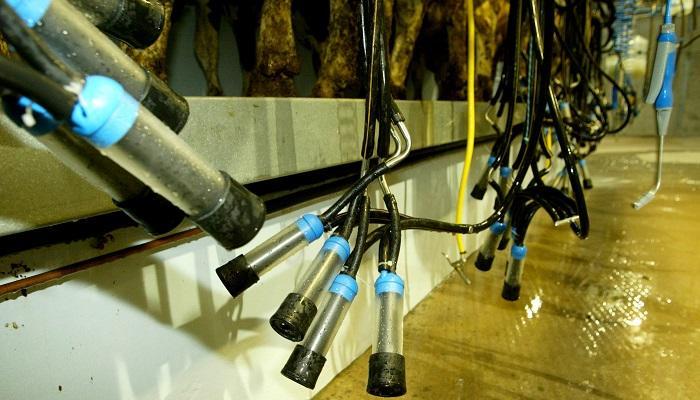
Following a recommended plant cleaning procedure is critical to the prevention of an environment that will facilitate milk contamination. Where thermoduric counts are very high, milking plant contamination is the likely the cause. Remember the 3 Ts with regard to plant cleaning: Temperature, Titration and Turbulance.
Temperature
Ensure sufficient hot water is available for washing (75 to 80oC). Hot wash solution should still be at least 45oC at dumping for effective cleaning.
Titration
Ensure detergents are used at the correct concentrations. A higher concentration (1%) will be required for cold washing. Where automatic washing systems are fitted, regularly check that the correct volume of detergent is being used, and always recalibrate if changing products. Where peracetic acid is being added to the final rinse, ensure all detergent has been rinsed from the plant before circulating the peracetic acid solution.
Turbulance
The ‘sloshing effect’ of the wash solution moving through the plant is an important part of the washing process. Check that all units are washing correctly. Small issues like a blocked air bleed on a cluster is enough to affect this. Ensure there is always a small amount of solution in the wash trough when the wash solution is circulating. Finally, where an air purge system is fitted, listen to check that it is functioning properly as it is a vital part of the wash process in larger parlours.
More from Teagasc Daily: Dairy finances: 2025 and outlook for 2026
More from Teagasc Daily: Grazing after heavy rainfall