
This factsheet provides some biosecurity tips on protecting your flock from avian influenza. Download the factsheet as a PDF here Biosecurity Tips for Protecting Your Flock from Avian Influenza
What is Biosecurity?
Biosecurity is a set of preventative measures put in place to reduce the risk of introducing harmful bacteria, viruses or pathogens (external biosecurity); and minimise the spread of already present disease causing agents throughout the farm (internal biosecurity).
What is Avian influenza?
Avian Influenza (AI), commonly known as Bird Flu, is a highly contagious viral disease. It usually affects the respiratory, digestive and/or nervous system. This disease is often fatal for birds.
There are two types of AI based on the pathogenicity of the virus:
- Highly Pathogenic AI: This can often have mortality rates up to 100%.
- Lowly Pathogenic AI: This usually causes mild disease in birds.
AI affects all kinds of birds, including domestic birds, such as chickens, turkeys and ducks. It also affects wild birds. The risk to human health is very low.
How AI spreads?
Avian influenza is introduced to Ireland through migrating wild birds which usually arrive from October onwards. These wild birds often gather on wetlands and begin mingling with resident wild birds.
AI can be introduced to a poultry flock (commercial or backyard) through wild birds mixing with the poultry; or entering a free-range area. With the introduction of a housing order, this risk is reduced.
Bird flu can also be spread through the contamination of inputs to a poultry farm. These include feed, water, and bedding. Vehicles and equipment entering/being used on farm, need to be washed and disinfected to limit the disease entering or spreading.
The virus can also be spread via the movement of people, on clothes, footwear or on our skin. The correct use of PPE (Personal Protection Equipment) e.g. gloves and overalls, and house specific clothing can reduce this as a risk. Good biosecurity is crucial.
Signs & Symptoms of AI
The main clinical signs of Highly Pathogenic Avian Influenza (HPAI) in birds are:
- swollen head
- blue discoloration of the head, comb, wattles (cyanosis)
loss of appetite - difficulty breathing (gaping beak, coughing, sneezing, rales, gurgling)
- diarrhoea
- fewer eggs laid or eggs with watery whites
- increased mortality
Avian Influenza is a notifiable disease. If you suspect your Avian Influenza in your birds, you must notify the Department of Agriculture, Food and the Marine (DAFM) immediately. Birds must be housed/confined away from all other birds immediately.
Contact your local Regional Veterinary Office (RVO) or the Avian Influenza Hotline on 01 607 2512 (9am-6pm). Outside of office hours, you can ring the National Disease Emergency Hotline on 01 492 8026 (which is operational 365 days of the year) to report a suspect case.
Biosecurity Measures
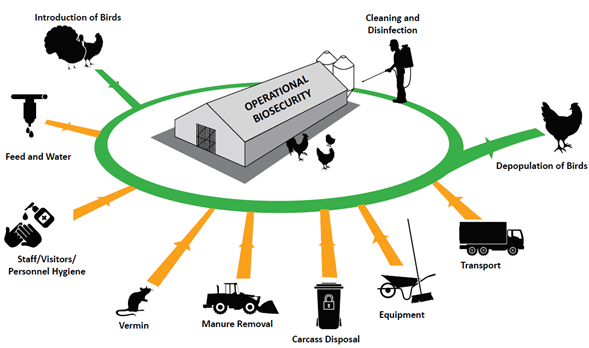
When you think about your own farm and biosecurity there are two key areas to consider – structural and operational biosecurity.
Structural Biosecurity
The structural biosecurity refers to the house itself and the equipment within the house. Before any birds arrive, it is crucial to consider the shed or house where these birds will live for the duration of time on your farm.
- Can this shed be fully cleaned and disinfected?
- Is there sufficient ventilation?
- Is it warm enough?
- Is there any chance of draughts?
- Is it rodent and vermin proofed?
In some cases, there may be other species of animals present on the farm, and this may include other poultry types. It is important to consider disease cross-over between different species of animals including pets. If there is more than one type of poultry on-site, they must be housed and range separately.
Rodent Control
It is really important to control mice and rats on farm by having a suitable rodent control plan in place. Rodents can carry and spread disease, which can impact both animal and human health. This program should be carried out prior to cleaning the site. Rodent control is not solely the use of rodenticides, i.e. poisons.
You should begin with preventing access to the house. A poultry house provides 3 key requirements – nesting area, feed and water. Any small access points should be repaired and covered over with a suitable material. This may include under doorways, ventilation points or damage to the building. Ensuring that spilled feed is cleaned up immediately is key to avoid attracting vermin, as well as wild birds. In addition, ensure that there is no water build up/ standing water surrounding the facilities. A clean and tidy farmyard, free of litter and debris, helps to prevent rodents establishing a nesting area. All surrounding weeds and vegetation should be removed / sprayed to prevent regrowth.
Where rodenticides must be used, they must be applied by a licensed individual. An individual can complete a short training course to obtain the required skills to undertake this task, or a specialised rodent control company can be employed.
Wild Birds
Wild birds should not have access to the housed birds. Any access points should be covered with a suitable material such as nettings, plasterboard, etc. to prevent access to the house or storage areas where feed or bedding may be kept.
Using suitable deterrents in free range areas, may aid in keeping wild birds from mixing with your poultry flock. It is also crucial to avoid standing pools of water which can provide a drinking source for wild birds. No feeding of domestic poultry should take place outdoors.
Operational Biosecurity
The next step is to consider the day-to-day management of the farm to prevent the spread of disease on the farm, to the poultry, or to other farm animals on site.
Feed
For smaller enterprises it is likely feed will be purchased in bags. These bags are not capable of being resealed. Therefore, they create an easy feed source for vermin or wild birds. You should consider purchasing a feed bin which is sealed and vermin proof – see Figure 1. There are two different sizes which can suit different size production systems. If feed is spilt, it must be cleaned up immediately. Feed should never be given outdoors.
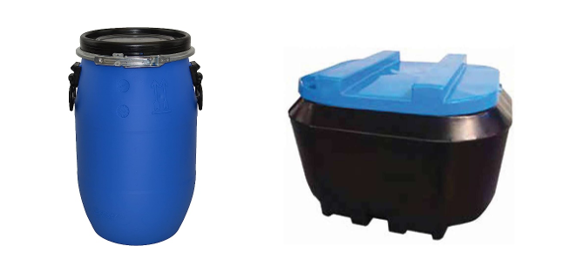
Figure 1: Examples of Sealable Meal Bins
Water
Water is a crucial nutrient for all birds. The water supplied to birds must be clean and potable. It is advisable to have the water tested, whether it is from a mains source or bore well. Rainwater is not a suitable source of drinking water for your birds. The birds should not be given access to water outdoors.
If there are any pools of standing water outside on the range, these should be filled in. Stagnant water can be a source of bacteria and a drinking source for wild birds/vermin.
Equipment
It is important to avoid sharing equipment between houses, where there is more than one house. It should also be avoided between other animal enterprises, i.e. cattle to poultry, sheep to poultry, etc. If equipment is to be shared between houses, it must be thoroughly disinfected before and after each use.
Entering the House
Foot Dips
A foot dip should be available for use at the entrance to the bird house. The container itself must be capable of being cleaned thoroughly. This should be kept covered to avoid dilution with rain water. The foot dip would be best placed indoors, as it ensures the disinfectant process works efficiently. It must be kept clean and replenished as often as is required. At a minimum, it must be changed once a week. Where the foot dip contains organic matter or debris, the disinfectant becomes neutralised. It would be advisable to clean the organic matter off the boots prior to using the foot dip.
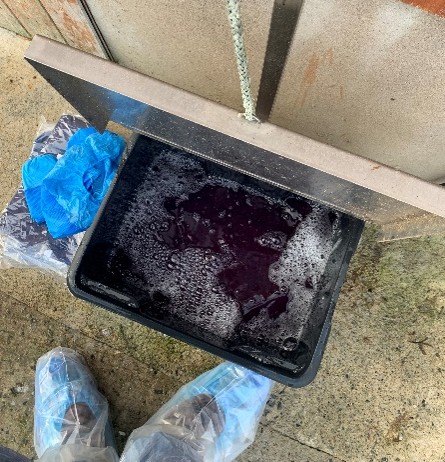
Figure 2: Simple Foot Dip at Entrance to Bird House
Clothing & PPE
It is important to have house specific clothing and footwear. This may be a pair of wellies or boots designated for this house or the use of disposal boot covers. A pair of coveralls or disposable coveralls should also be worn. This Personal Protective Equipment (PPE) is to prevent disease being carried from outside the house into the birds or out of the house to other enterprises.
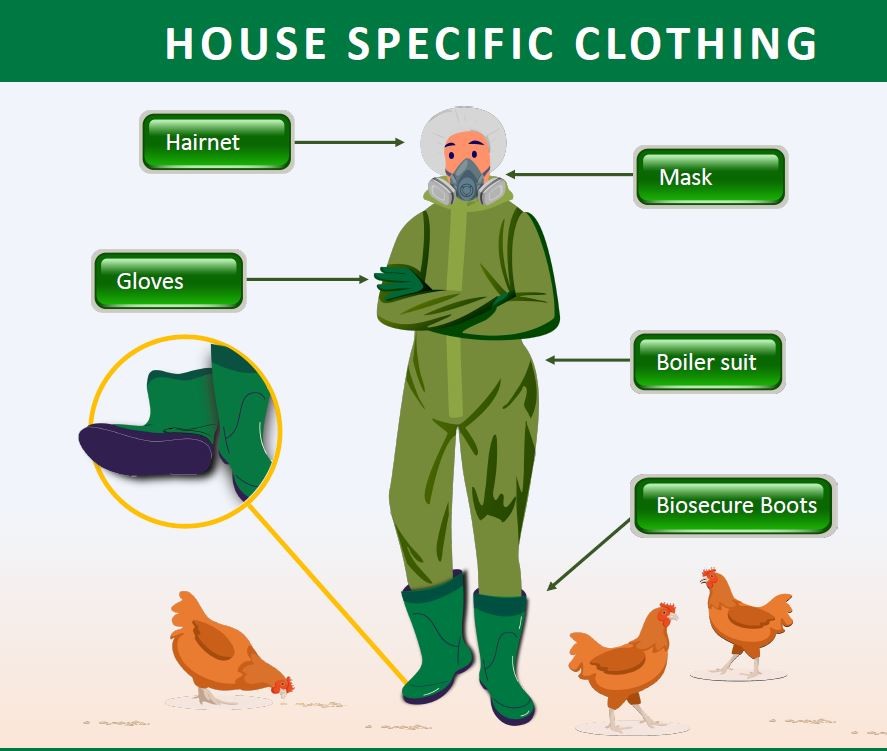
Figure 4: House Specific Clothing
Hand Washing
If hand washing facilities are not available upon entry to the house, disposable gloves should be worn when entering the house. A hand sanitizer should also be used on entry and exit of the house.
Visitors
 It is advisable to limit the number of people entering the house. If a visitor must come to the site and into the bird house, they must be provided with disposable PPE and use the foot dips provided. It is also advisable to record details of the visitors who enter the house or range area.
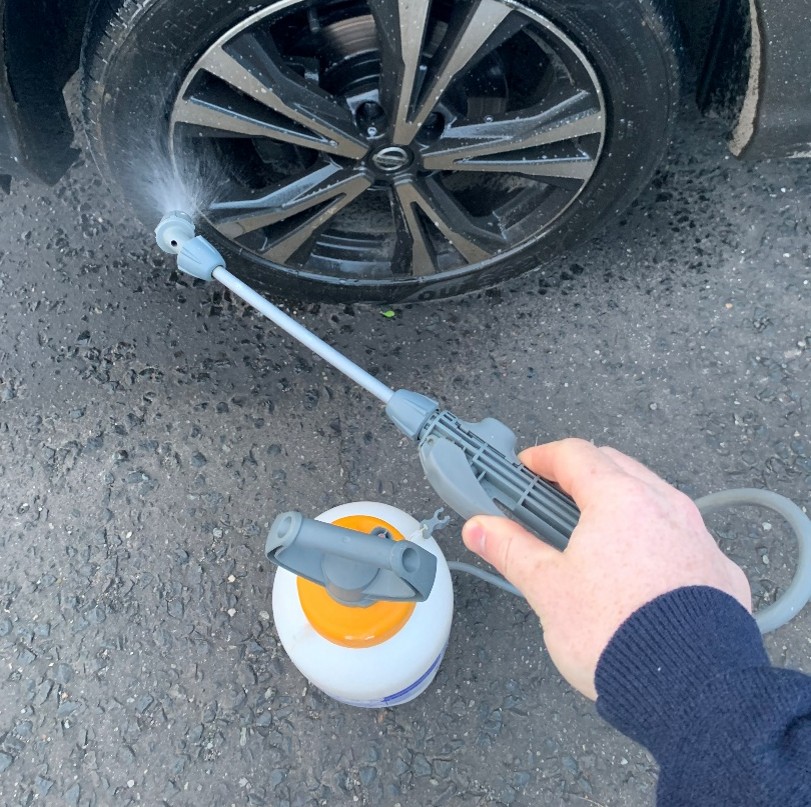
It is also important that any vehicle which comes on site is disinfected before entry.
Step Over Barrier
A step over barrier creates a designated point to change the footwear and clothing before entering the house. This will create a clean and dirty zone. The clean zone is the area where the birds are housed and range. The dirty zone is the lobby area and outside of the house.
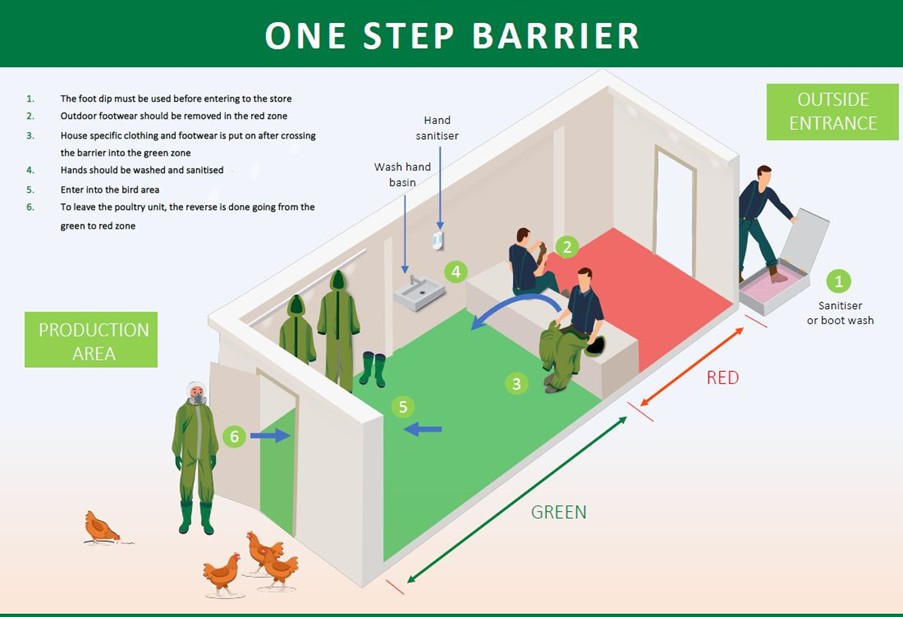
Figure 6: One Step-over Barrier How to Guide
Range Management
If the birds are free range, the land must be fenced to prevent any other livestock or poultry mixing. This fence will also aid in deterring predators coming in contact with the birds. The range should be kept in good condition, where grass becomes over long it should be topped to prevent cover for predators. Any potholes created by the birds must be filled in to stop pools/puddles of stagnant water which is a drinking source for wild birds, vermin or predators.
Bedding
If additional bedding is being stored on the farm, it should be stored in a sealed shed where wild birds or vermin cannot access.
Dead Birds
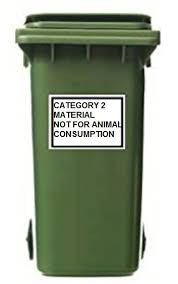
Some mortality is inevitable in any animal enterprise, therefore the management of dead birds is very important. These should be stored in a locked bin, or inside a locked shed to prevent access to vermin or pets. This bin should be marked with a Category 2 Waste sticker.