
Greenhouse Gas Emissions
- Actions already taken to reduce emissions
- Financial impact
- Further actions that can be taken on the farm
Michael recently hosted the final day of the Climate Action and Farm Sustainability Course on his farm. As part of this a case study was completed to examine areas of improvement that Michael has made on the farm since 2021 up until 2024 (the last full calendar year). He is farming 26ha at a stocking rate of 1.88 LU/ha with 26 suckler cows.

Figure 1: Course participants on Michael’s farm
Michael significantly improved the % of the farm with a soil pH above 6.2 from 81% to 100%. Similarly the percentage of the farm at index 3 or higher for P rose from 61% to 93% and for K from 55% to 93%. All his slurry is spread with a low emission spreader, and as much as possible is spread in spring instead of summer. With the excellent soil fertility, Michael has incorporated white and red clover onto his farm and this has reduced chemical fertiliser use by 57 kg N/ha (40%) across the farm. Together, the combined benefits of these actions has resulted in an emissions reduction of 5% and savings of €1834.
Next Michael has increased the replacement index of his herd from €84 to €108, the herd calving interval has decreased from 403 days to 386 days and the calves per cow per year have increased from 0.82 to 0.95 per year. This has reduced the number of non-productive animals on the farm and reduced the farm emissions by 7.4%, while saving €2280.
If Michael was to extend his grazing season by 2 weeks in spring and 2 weeks in autumn, he would save a further 41099 and reduce emissions by 0.7%.
Furthermore, Michael has planted over 700m of new hedging for biodiversity, preventing nutrient and sediment run-off and for animal shelter. If the hedge sequesters 2.5 t of carbon per year, it will also reduce Michael’s emissions by 1.5%, albeit with no extra financial benefit.
In 2021 Michael was already spreading protected urea on his farm so there was no extra financial benefit or reduction in emissions achieved in the following years.
While not necessarily cumulative, if added together the actions outlined above has reduced Michael’s emissions by approximately 14.6% and saved him €221/ha.
Other actions suggested by the groups for Michael to work on included:
Michael took silage sample son the farm recently. The weanlings are currently grazing the catch crop on the farm along with grass silage which was taken from paddocks. The bales are lined along the field and one was sampled. The DMD returned as 65.8% which was lower than expected, although the paddock was strong when cut. The crude protein was 11.72% and the dry matter was good at 27.51%. Assuming an average weight of 370kg over winter and using 3% of their body weight as an estimated intake figure, the weanlings diet consists of approximately:
Their overall diet is 0.99 UFL (target 0.8 – 0.9 for gaining 0.6kg/day over winter) at 17.1% crude protein (target 14%). The only concern is the low dry matter and fibre in the diet so Michael will watch them closely for stomach upsets and can feed a bale of hay or stemmier silage if necessary. He will also weigh them over winter to monitor weight gains.
Meanwhile the dry cow silage result was over 74% DMD with 14% crude protein at 46% dry matter which is way too high for them. Their average body condition score is 3.19 and Michael wants to maintain this over winter to avoid difficult calvings so has the option to either restrict their feed (ensuring enough feed space available for all cows to eat at once) or feed poorer quality silage.
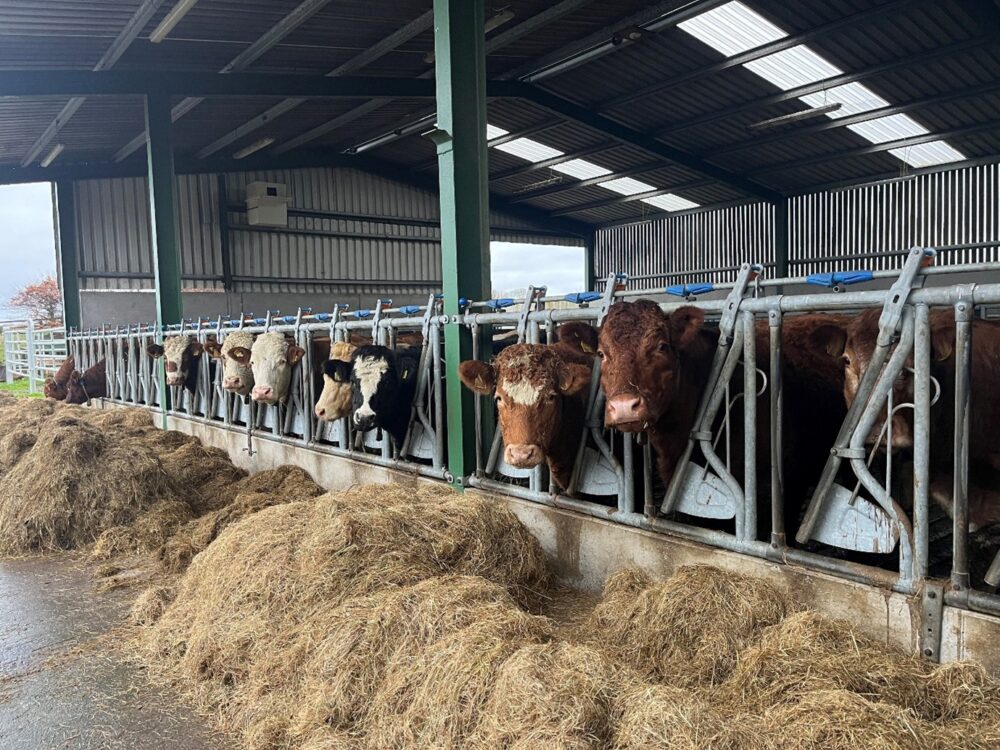
Figure 2: Cows have an average BCS of 3.19
Michael weighed the weanlings on 25th November. The 14 heifers averaged 344kg and gained 0.99kg/day on the catch crop since 28th October, with a lifetime gain of 1.14 kg/day since birth. They grazed the red clover silage field before this and gained 0.72kg/day while on this during October.
The 11 bulls averaged 387kg on 25th November after also gaining 0.99 kg/day on the catch crop. They gained 0.83 kg/day in October while on the red clover and have a lifetime daily gain of 1.25kg/day to date which is excellent.
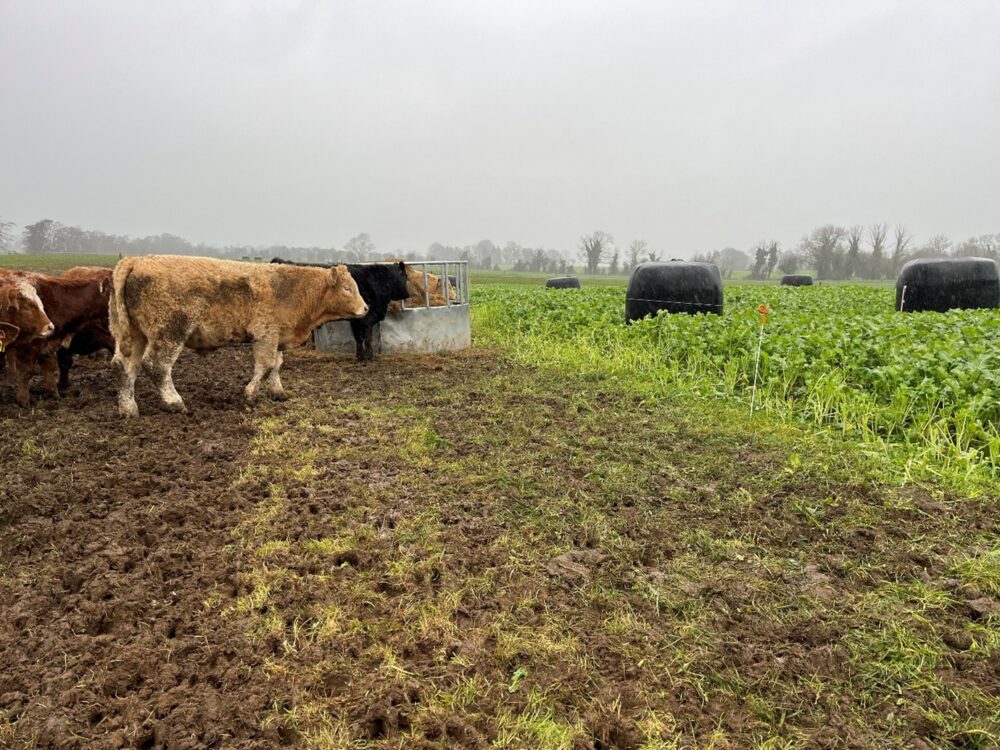
Figure 3: Some of the weanlings grazing the catch crop and eating silage
Michael sold his 15 finished bullocks to the factory on 23rd October. They averaged 417kg carcass weight at 22.7 months of age and graded U=3= which he was delighted with.
The single heifer was 375kg carcass weight and graded U=4- at 22 months of age, while the 7 cows averaged 416kg carcass weight and graded R+3+.