

Breeding
- Preparation for calving – cows on pre-calving minerals
- Workload simplified: Cows penned according to expected calving dates, cameras on both phones
- Good hygiene is a priority


Calving is due to start on the Keaveney farm from the middle of February. Preparations are in full swing with pre-calving minerals in the cows’ diets since early January at a rate of 100-120 g/head/day.
The cows and in calf heifers are penned according to their calving dates to allow for easier management. A board at the entrance to the shed has been updated with the expected calving dates of each cow and heifer. The calving cameras were checked and are operating on both Shane and Grainne’s phones. Tails are clipped on the cows and in calf heifers and any missing tags were replaced over Christmas.
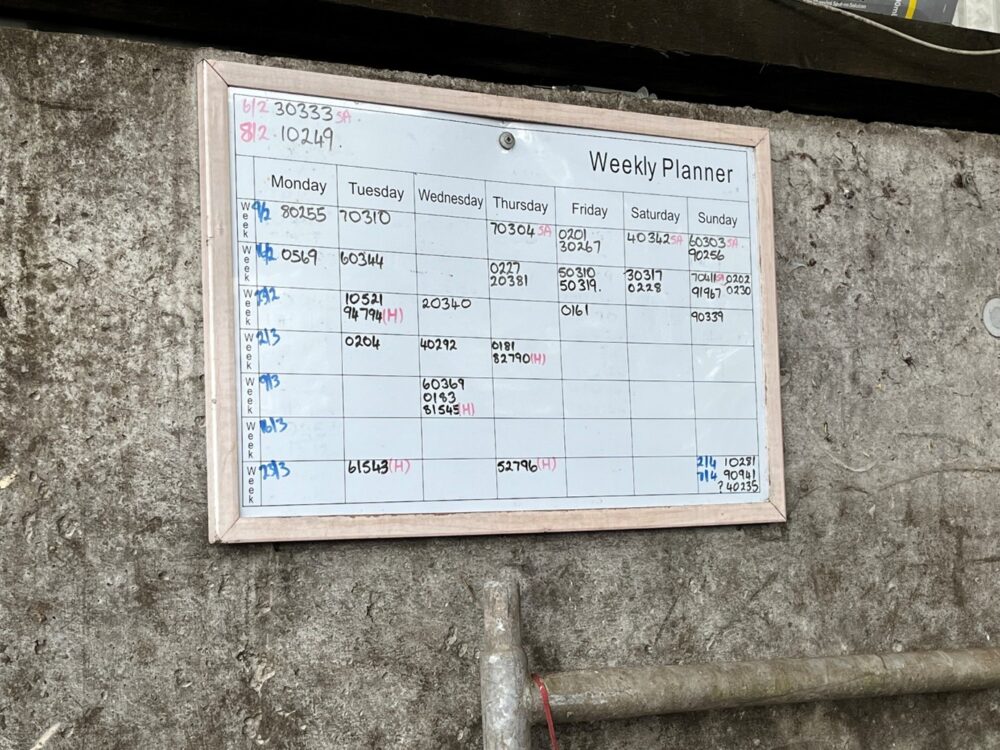
Figure 1: A board in the shed has expected calving dates for each cow and in calf heifer
Good hygiene is a priority for Shane and Grainne at calving time and while the cows remain on the slats until turnout, the calves have access to a well-bedded straw lieback after they are born. Their navals are disinfected after birth and a boot disinfection point is left at the entrance of the shed.
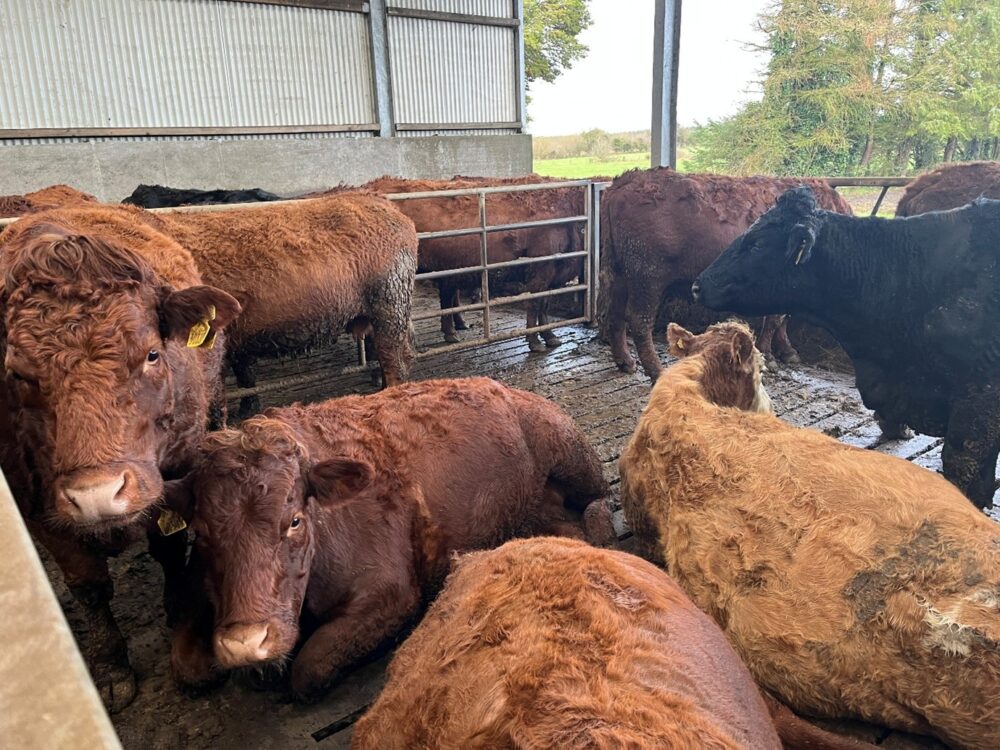
Figure 2: Cows are in good body condition in the lead up to calving
Shane weighed the 2025 born suckler bulls (14) on the 29th of December. They averaged 392kg live weight and gained 1.42kg/day on average since the previous weighing on 28th November. Shane was delighted with this as they were recovering from a significant fluke burden. The dairy beef bulls (5) that are with them averaged 241kg and gained 1.25 kg/day during the same period which he was also happy with. They are currently eating 6 kg of a 12% crude protein ration/head/day.
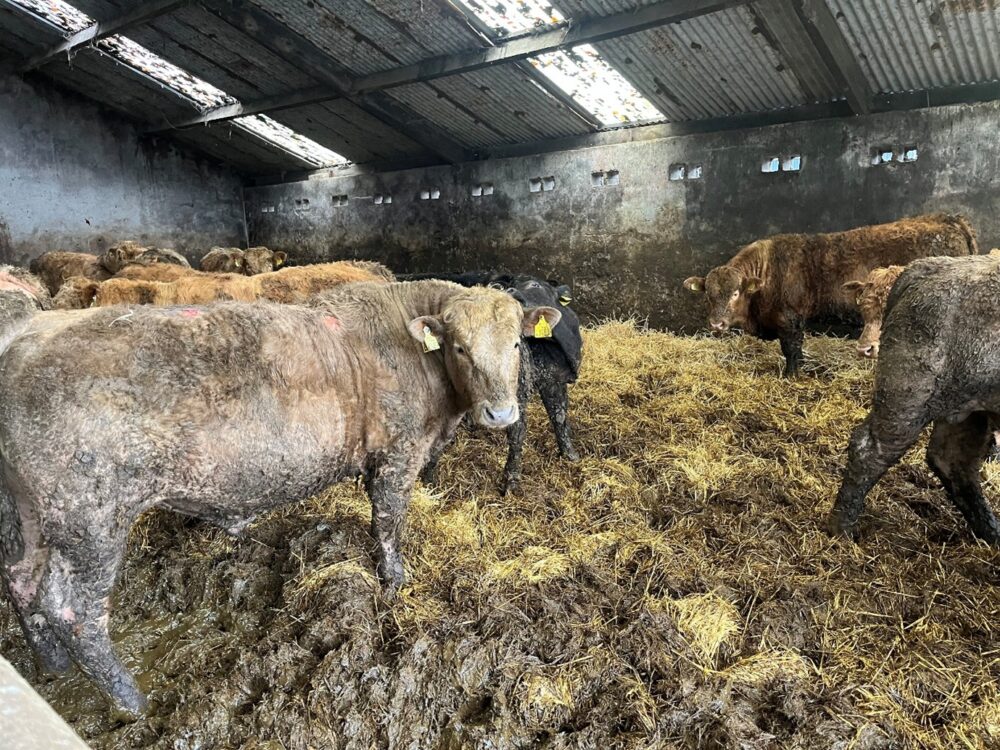
Figure 3: The average daily gains of the bulls has improved since the last weighing
The 2025 born heifers (19) averaged 300kg on 9th January and had gained 1.45kg/day since the 23rd of December. Their dairy beef counterparts (21) averaged 259kg and gained 1.17 kg/day during the same period. They are currently on 1-2 kg of a 12% crude protein ration/head/day, along with 74-76% DMD silage. Ten of the Charolais heifers will be sold in mid-March.
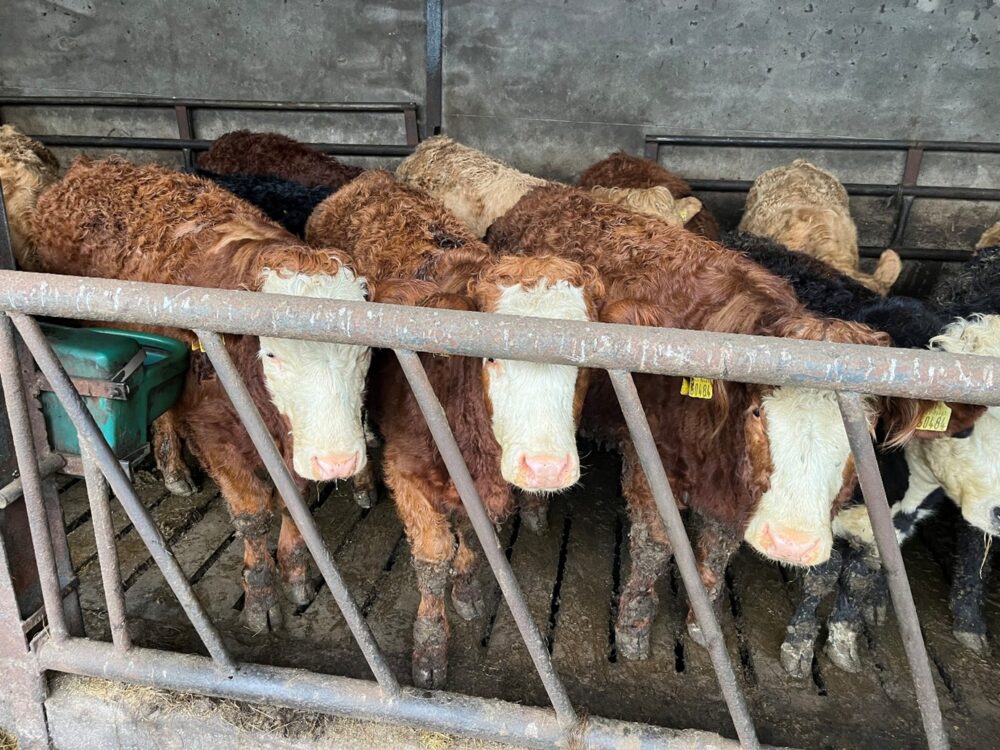
Figure 4: Some of the heifers born from sexed semen that will be bred this spring
Shane and Grainne have completed their profit monitor for 2025. The biggest change on the farm for the year was the extra land that is being farmed as part of a 5 year lease. 27 dairy beef calves were bought in and reared to help stock it. They have been analysing their 2025 cattle detailed report.
The output per livestock unit was excellent at 436 kg/LU. This is affected by everything that affects daily live weight gain on the farm; bull fertility, cow fertility, mortality, grass management, animal health, silage quality, ration fed etc. The target is over 350 kg/LU for a suckler system and 500kg/LU for a dairy calf to beef system. It was a significant increase from 381 kg/LU in 2024 and is Shane’s highest figure in the last 10 years.
The stocking rate dropped from 1.7 LU/ha to 1.53 LU/ha due to the extra land in 2025 and is well under derogation limits.
The gross output figure is calculated from cattle sales minus cattle purchases and add/subtract any changes to the inventory. Shane and Grainne had a gross output figure of €2634/ha which is the main ‘money in the pot’ to cover variable and fixed costs. This increased from €2251/ha in 2024, which was already up from €1996/ha in 2023.
The 3 biggest expenses on drystock farms are purchased concentrate, fertiliser and contractor costs. Shane’s farm is no different with his biggest costs for the year;
In total, the total variable costs (€1105/ha) were 42% of the gross output figure, which is much lower than the target of <55% for a bull beef system. It is also well back from 57% in 2024 and 64% in 2023 – mainly due to a higher beef price and controlling costs on the farm.
The fixed costs were €613 for 2025 which is slightly higher than 2024 due to increased investment and the land lease charge. This is expected to climb in the coming year due to further investment into a new cattle shed and a new tractor. For 2025 the cattle enterprise made €916/ha net margin which does not include any direct payments or subsidies, and is over double the net profit made in 2024.