

Animal Health
- Lying space & feeding space requirements
- Space available in shed
- Home shed and rented sheds have sufficient space


Michael and Niall have calculated the lying and feeding space available in the 2 sheds where the weanlings are housed this winter.
The home shed is a 3 bay shed that is 5.49m wide and 7.62m deep, providing 41.83m2 of lying space in total. Weanlings require 1.7m2 of lying space so each pen could hold 24 weanlings. However the feeding space is the most limiting factor and for weanlings getting ration they require 0.45m per head. Therefore the maximum capacity of each pen is 12 weanlings and there are currently 11 in each pen so they have more than enough space for maximising winter performance.
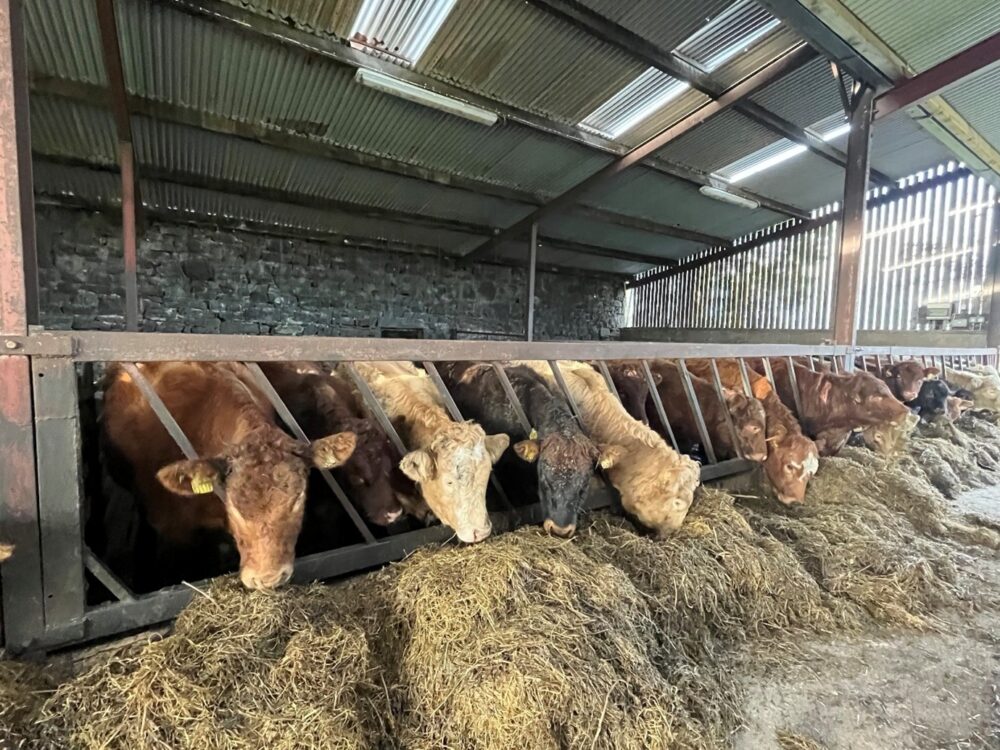
Figure 1: The weanling shed on the home farm
This is the first year that Michael and Niall have cattle in the 3 bay rented shed. Each pen is 4.57m wide and 4.84m deep, providing 22.11m2 in total lying space available. At 1.7m2 per weanling, each pen has the capacity for 13 weanlings. However the feeding space is once again the limiting factor and at 0.45m required, there is only space for 10 weanlings over the winter. There are only 7 heifers per pen there so they once again have more than enough housing space.
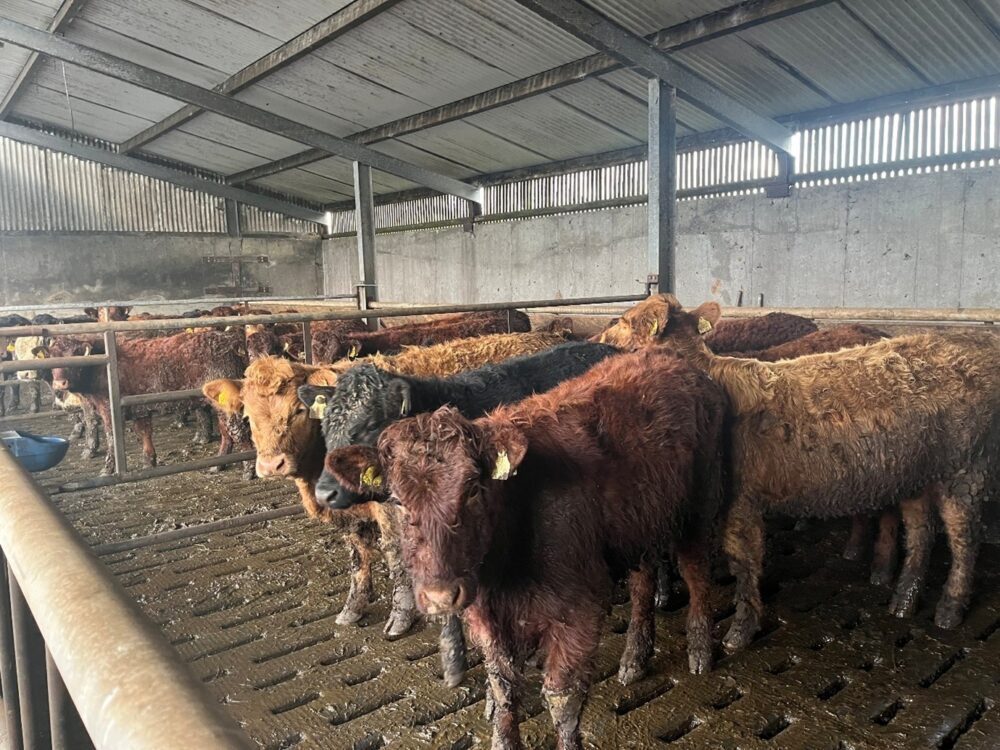
Figure 2: The bought in weanlings in the rented shed
Michael and Niall weighed the home bred weanlings on 23rd December. The heifers (16) averaged 331kg and gained 0.41 kg/day since the previous weighing on 20th September. This ranged from 0.04 to 1.1kg/day and it didn’t take them long to realise that there was an issue. The middle pen with the breeding heifers had much lower average daily gains than the other pen. On reflection they had been grazing a turlough area in the autumn and while they were treated for rumen fluke, they had not been treated for liver fluke. They were given a Trodax dose on the day of weighing to treat them for immature and mature liver fluke straight away. They are currently on red clover silage and 2kg of ration/head/day but Michael and Niall would not have been aware of any issue if they had not been weighed.
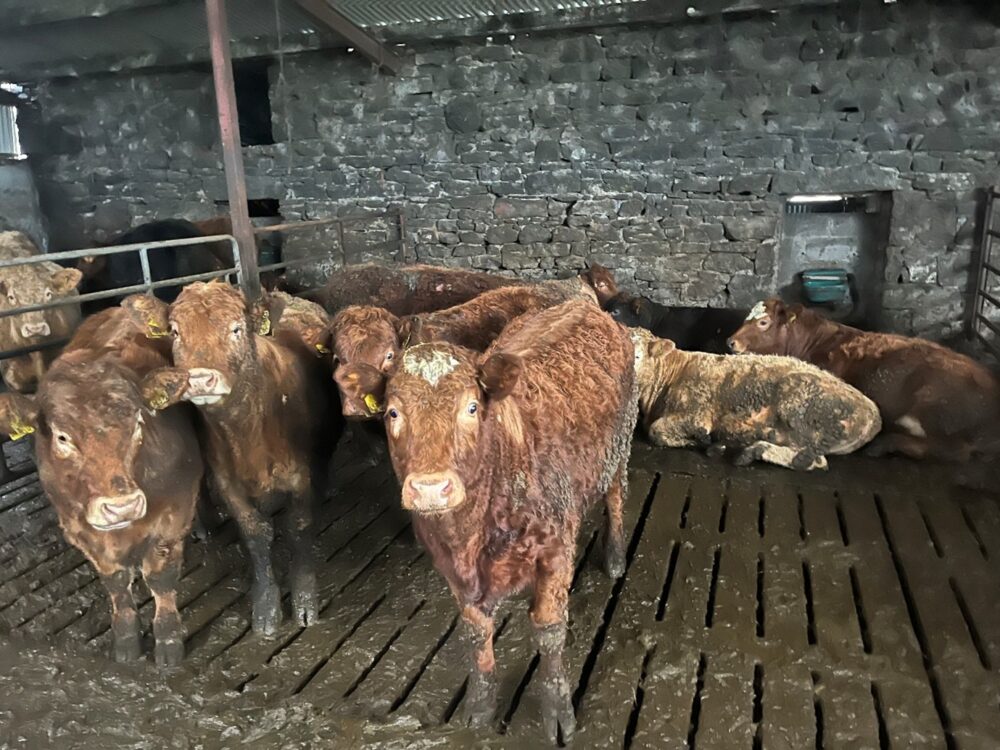
Figure 3: The pen of breeding heifers had lower average daily gains than expected
The bulls (11) were also weighed on the same day and they averaged 323kg live weight, with this ranging from 249kg to 385kg. Their average daily gains were on target as they had gained 0.92kg per day on average since the last weighing.
Michael and Niall have completed their profit monitor for 2025. The biggest change on the farm for the year was the extra heifer weanlings that were bought in at the end of the year and the shed that was rented over the winter. They have been analysing their 2025 cattle detailed report.
The output per livestock unit was 307 kg/LU. This is affected by everything that affects daily live weight gain on the farm; bull fertility, cow fertility, mortality, grass management, animal health, silage quality, ration fed etc. The target is over 350 kg/LU for a suckler system and 500kg/LU for a dairy calf to beef system. It was a significant increase from 277 kg/LU in 2024.
The stocking rate dropped slightly from 2.07 LU/ha to 1.99 LU/ha but is still under the derogation limit of 170 kg organic nitrogen per hectare.
The gross output figure is calculated from cattle sales minus cattle purchases and add/subtract any changes to the inventory. Michael & Niall had a gross output figure of €3171/ha which is the main ‘money in the pot’ to cover variable and fixed costs. This increased from €2066/ha in 2024, which was already up from €1867/ha in 2023, despite buying in the extra weanling heifers.
The 3 biggest expenses on drystock farms are purchased concentrate, fertiliser and contractor costs. Michael and Niall’s farm is no different with the biggest costs for the year as follows;
In total, the total variable costs (€977/ha) were 31% of the gross output figure, which is much lower than the target of <50% for a suckling system. It is also well back from 49% in 2024 – mainly due to a higher price per kg sold from the farm, the increased output per livestock unit and continuing to control costs on the farm.
The fixed costs were €881 for 2025 which is significantly higher than 2024 due to increased investment in cattle barriers, concrete and a new lean to shed that was built. For 2025 the cattle enterprise made €1585/ha net margin which does not include any direct payments or subsidies, and is over double the net profit made in 2024.