

Breeding
- Preparing for Spring Calving
- Calving cows at the correct body condition
- Matching silage quality to cows based on cow condition
- Pre calving nutrition
- Care of the newborn calf


Preparing for spring calving
The 2026 calving season is due to commence on the 20th of December and the planned finish date for calving is the 4th of March. 70% of the cows should be calved in the first 6 weeks which is the 31st of January. The herd is in calf to the following sires:
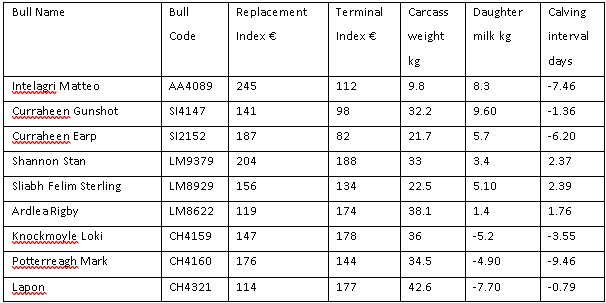
The Aberdeen Angus, Simmentals and the majority of the Limousin sires are targeted for breeding replacements while the Charolais sires were selected for their terminal traits.
With extra cows calving this spring the pens were changed around to increase both the feed and lying space. The cows are grouped according to calving date and any cows in poorer condition are housed separately for targeting being fed better quality and some silage if necessary. A 650 – 700kg dry cow in the last month of pregnancy will eat approx. 11kg of dry matter a day as the intake drops off close to calving. A 650kg cow will require 8.6 UFL for energy and 633g PDI (protein) levels during the last month of pregnancy. A 700kg cow will require 9 UFL for energy and 667g PDI (protein) levels during the same period.
The silage samples for the farm are summarised in the below table. Both silages have a high dry matter and have good DMD values of 70.9 and 70.8%, along with good crude protein % of 13.5 and 13.8% respectively for both 1st and 2nd cut silage.
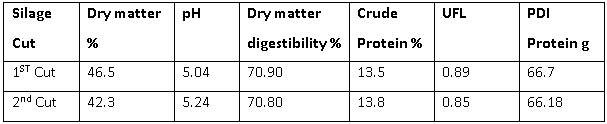
At an 11 kg intake for a dry cow the 1st cut would deliver a total of 9.79ufl of energy and 733.7g protein pdi, while the second cut would deliver 9.35ufl of energy and 728g of protein pdi. Both of these silages will deliver excess energy and protein for the dry cow and would have to be restricted. If poorer quality silage was available on farm these are the cows to target this silage to.
For thinner cows required to gain 0.5kg per day over the dry period the 10.4 UFL for energy and 600g PDI (protein) are required.
In this case even on the better quality 1st cut the cow has a shortfall of 0.61ufl (10.4ufl – 9.79ufl). These cows may require a 0.5 to 1.0kg per day while also receiving ad lib silage.
The cows have been receiving pre calver minerals from the start of November to allow for cows to receive 6 weeks of pre-calving minerals before calving. A high quality mineral containing a high level of magnesium is fed. One of the main KPI’s in a profitable suckler beef enterprise is weaning 1 calf per cow per year, an important part in achieving this target is to minimise calf mortality at birth and in the first few months of life. The national average mortality rate for suckler beef calves at birth and within the first 28 days of life are 0.85% and 2.07% respectively. A high calf mortality rate is one of the most significant indicators of poor health and welfare within a suckler beef herd. Ger places a huge emphasis on trying to achieve close to zero calf mortality in order to maximise the number of calves weaned per cow. In order to achieve these targets Ger tries to ensure that all calves are born into a clean environment and receive adequate levels of high quality colostrum to combat disease challenges from viral, bacterial and parasitic agents.
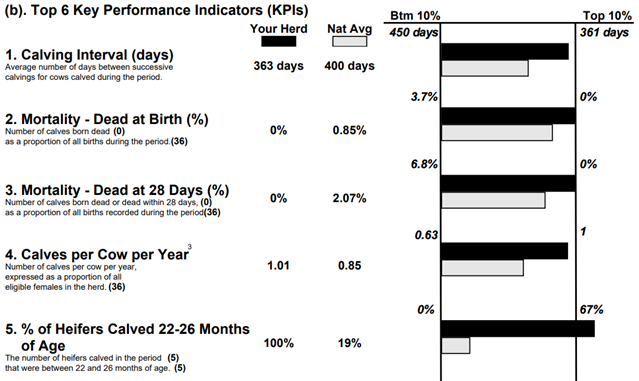
Figure 1 Key Performance indicators from the herds 2025 beef calving report from ICBF
Colostrum
As inadequate colostrum consumption has been identified as a major risk factor for infectious disease, making sure calves receive a colostrum supply of high quality and volume is vital to ensure calves acquire passive immunity. Calves are checked immediately after birth and are observed to ensure they can stand and suckle. To maximise passive immunity transfer Ger ensures that calves consume at least 3 litres of colostrum in the first 2 hours of life. For calves suckling naturally it is estimated that 1 litre of colostrum can be suckled in approximately 10 minutes by a calf. Calves should suckle for a total of 25 to 30 minutes in the first 2 hours of life in order to consume 3 litres of colostrum. Ger assists all calves to suckle naturally after birth and if a calf is unlikely to have consumed enough colostrum naturally, the cow is milked and the colostrum is fed directly to the calf using a stomach tube. When milking the cow for colostrum it is handled as aseptically as possible using clean sterilised equipment in order to reduce bacterial contamination. Ger places a huge emphasis on improving calf health and getting large volumes of high quality colostrum into calves immediately after birth is key to this. All cows are milked and the colostrum quality is checked/ analysed using a brix refractometer. If the colostrum is good quality over 22%, this colostrum is stored in a freezer in order to feed a calf whose mother has either poorer quality colostrum or insufficient colostrum. A record of cows colostrum is recorded on a chart in the calving pen area each year (see figure 2). In general colostrum quality is very good on the farm with most cows achieving over 22%. Cows are fed high quality silage and 0.5kg soyabean meal pre calving in order to improve colostrum quality on the farm.
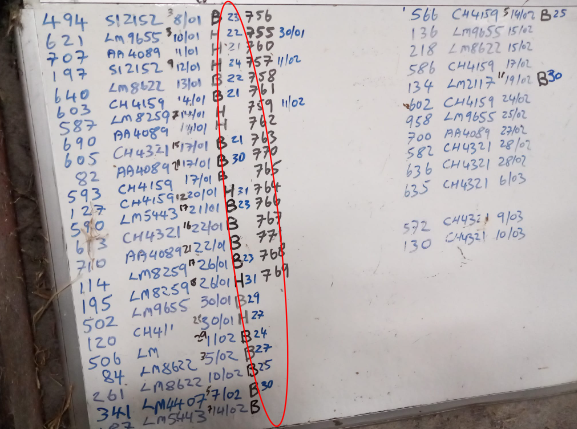
Figure 2 Colostrum quality results outlined in red on the calving records chart in the calving area
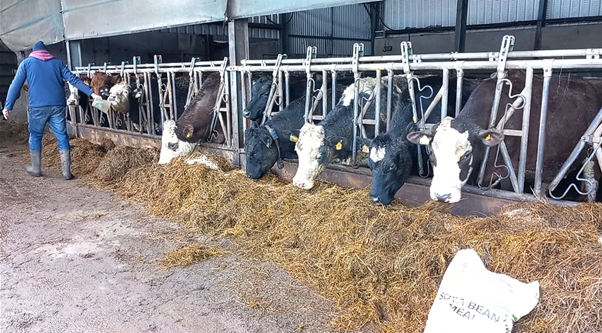
Figure 3 Feeding soya bean meal pre calving to improve colostrum quality
Housing
Maintaining a clean housing environment is essential to maximise calf health. The calving area is cleaned out and disinfected before calving and a regular intervals during the calving season. All cows remain in a well bedded calving pen with their calf for 1 to 3 days in order to create a bond. Calves then enter the creep area. The pens are well bedded and draught free, with calves having ad-lib access to fresh clean drinking water and a good quality calf coarse calf starter ration. By maintaining this level of hygiene and good colostrum management calves remain healthy. Before the calving season commences Ger will make sure that he has a plentiful supply of high quality straw for calving. A high level of straw is used in both the calving and creep area, all calves on the farm have the ability to nest in straw and this in turn helps to eliminate the ill effects of low level draughts and helps keep calves warm. While calf jackets may not be as beneficial/practical in a suckler herd versus a dairy scenario as the calf has ad lib access to milk and their mothers heat, Ger finds them beneficial when used on vulnerable calves such as those that have experienced dystocia.
Other important considerations on the fam at calving are disinfecting the calf’s navel immediately post birth using a 10% iodine solution, and also care of the scouring calf. Generally Ger has no issues with navel/joint ill or calf scour and this is more than likely due to his care and attention to detail around colostrum intakes and hygiene in the calving and creep area. If calves do suffer from scour on farm, the scour is analysed to determine the causal agent and treated with electrolytes while maintaining milk in the diet.
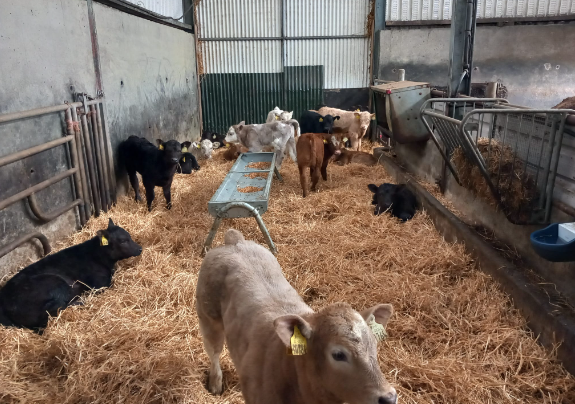
Figure 4 2025 born calves in the creep area
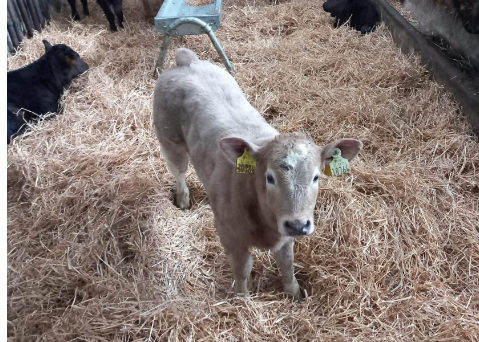
Figure 5 Heifer calf by CH4159 Knocknoyle10 Loki et
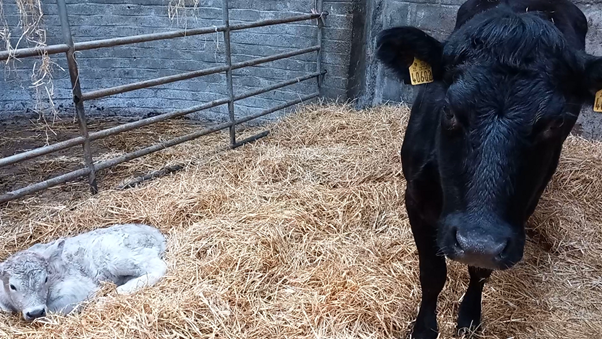
Figure 6 Newly born calf after receiving colostrum
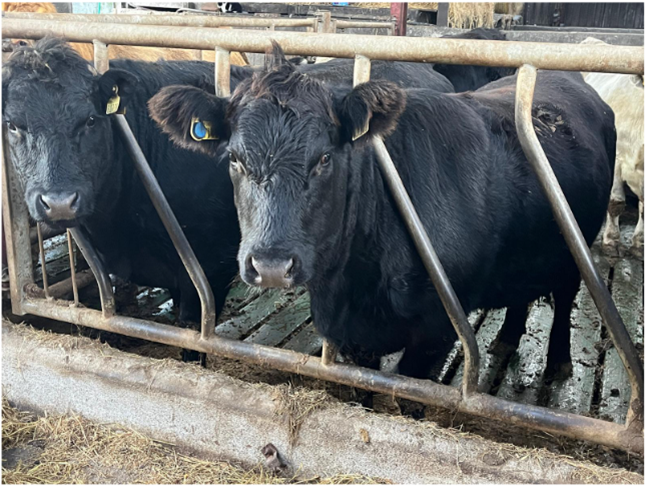
Figure 7 shows 2 in-calf heifers 738 and 742 both AI’d to AA4089 in April
Ger’s weanling performance for 2025 is ahead of 2024. This is probably due to improved grass utilisation due to more favourable weather conditions during the main grazing season. The 2025 weaning report shows the average daily gain for up to 200 days was 1.25kg per day, with the bulls and heifers achieving weight gains of 1.37 and 1.08 kg per day respectively.

Figure 8 200 day weanling performance report
The weaning efficiency report shows the herd achieved a weaning efficiency % of 45%. This figure is got by expressing the weaning weight in this case 294kg as a percentage of the cows liveweight 664kg.
All the weanlings are weaned and housed, with the bulls being built up onto 9to 10 kg of ration by late Jan. The higher quality silage is targeted towards the weanlings and finishing animals.
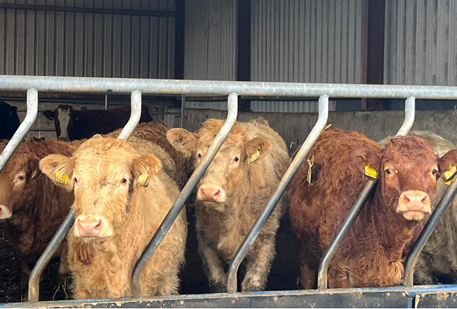
Figure 9. 2025 born weanling heifers on straw bedded shed
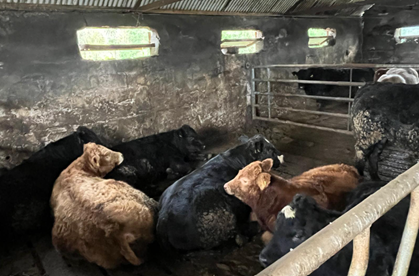
Figure 10. 2025 born weanling bulls being built up to 10kg by mid Jan for finishing as under 16month young bulls
The last of the 2024 born beef heifers were sold on the 25th November to the factory. The majority of these animals were finished outside on grass in October with the last 5/6 being finished indoors on silage and ration for the final month. These heifers received approx. 2 to 3 kg of ration per day for the last 60 days. They were 348kg carcass weight, graded U-3= and made €2686 on average at 20.4 months of age.
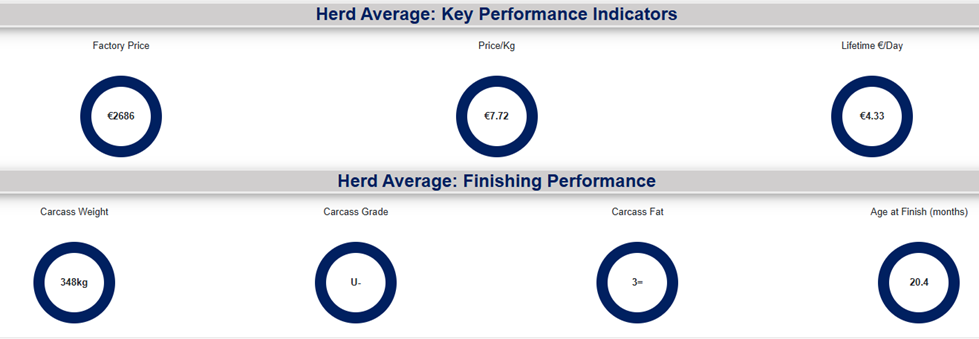
Figure 11: Finishing performance of heifers 2024
Improving Labour Efficiency
This year Ger constructed a new handling unit which included a race and also loading pens. The aim of this was to make working with cattle both safer and also more efficient. This is very important for Ger as the cows are all brought in for handling for ai and the finishing bulls and heifers are weighed regularly throughout the year. Ger had visited a number of new facilities and also met with Miriam Parker, a livestock handling expert based in the UK. A number of things were required. Firstly the cattle have to flow easily through the facility. The loading pens had to be big enough to hold the entire herd especially when treating all the suckler herd at grass. The facility also has to provide a safe working environment for both Ger and anybody working with the herd. The location was also important as the facility is near where the finishing animals particularly the bulls are housed. This will facilitate easier weighing of these categories of stock. Some of the key features of the unit are that:
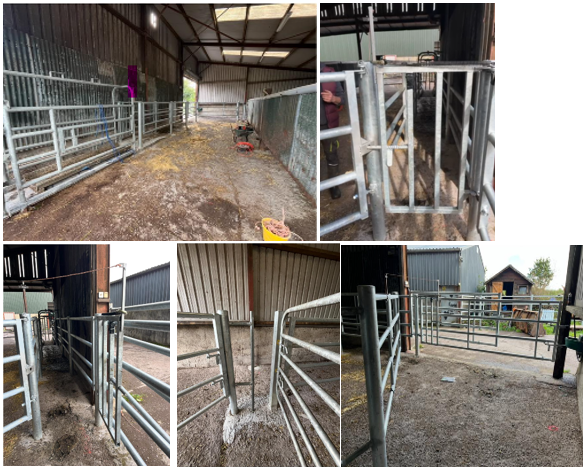
Figure 12. New handling unit fitted in existing loose straw bedded house