Animal Health
Preparing the cow for calving
The herd is due to commence calving on the 9th of February and will calve over an 8 week period finishing around the first week in July. The heifers are incalf to easy calving sires AA8472, AA9607 and AU4683. The cows are incalf to mainly high replacement index Simmental and Charolais bulls SI4350, SI8520 and the Charolais sire CH5980. A high terminal Limousin stock bull is used on the remaining cows.
Figure 1. Replacement sub index of the AI sires used across the herd
| Bull code |
Replacement index (€) |
Carcass Weight (kg) |
Milk (kg) |
Calving Interval days |
| SI4350 |
167 |
25.1 |
8.1 |
-0.94 |
| SI8520 |
157 |
23.7 |
6.4 |
-2.25 |
| CH5980 |
208 |
41.4 |
8 |
-1.18 |
| AA9860 |
156 |
5.5 |
5.5 |
-4.4 |
| Average |
172 |
24 |
7 |
-2.19 |
James is placing a large emphasis on increasing his carcass weight in the herd while maintaining and improving the fertility and milk traits within the herd. Currently the herd has the following euro star profile:
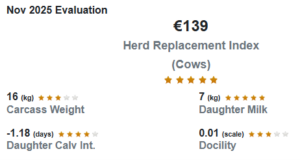
Figure 2: Herd Eurostar Profile
Scour vaccinations
A compact calving system is operated with approx. 66% of the herd calving down. Calving season preparations are well under way on the farm with the cows having received their vaccines for both rotavirus and cryptosporidium scour. In the past James had been using Halocur post birth for 7 days in order to prevent an outbreak of cryptosporidiosis. There was 2 problems which led James to switch to the new vaccine for the disease in 2025. James works full time off farm and it was an extra job to complete in morning before leaving for work. Before you administer the treatment James had to ensure that the calf had a full stomach as per recommendations and thirdly there is a health and safety issue trying to treat new born calves in the pen alongside the cow and the calves by day 4 to 5 are often hard to catch. These issues led James to switch to a vaccination programme. The heifers received their primary vaccination on the 22nd of December for Cryptosporidiosis and on the 19th of Jan the heifers were given there booster injection for the same. Once the heifers have completed the primary and booster injections, they only required an annual booster thereafter as cows. The heifers and all the cows received their booster injection on the 19th of Jan, approx. 3 weeks before the start of calving for Crytosporidiosis, and rotavirus, coronavirus and ecoli scour. The two products used were licensed to be used concurrently. As with all vaccination programmes James makes sure that hygiene is prioritised in the calving pens and creep area. These areas are cleaned out after turnout of cattle in the spring and power washed and disinfected also. Also cows backs and tails are clipped at housing and again coming up to calving in order to keep cows udders as clean as possible.
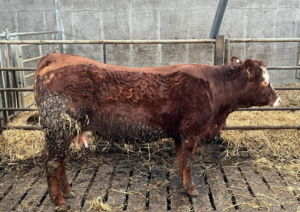
Figure 3. 1st calved heifer with back and tail clipped in order to achieve clean udders
Dry cow mineral supplementation
The cows and heifers were housed in November and have been getting 100g daily of a pre calver mineral dusted on the silage. James uses a high quality pre calver mineral in order to make sure there is no trace element deficiencies causing retained placentas, slow calvings, weak and less vigorous calves or still births. James uses a container marked (figure 5) for feeding 10 cows in order to make the task easier on a daily basis. Although suckler cows are generally not prone to milk fever, a deficiency in calcium could manifest itself as slow calving’s or retained placentas. A good quality pre calver mineral should contain no added calcium. Instead with a high quality pre calver mineral the cow will receive approximately 30 g of magnesium daily, the magnesium helps the cow to derive the calcium from her skeletal system when a big draw is needed at calving time. Other important minerals for the dry cow are selenium and iodine in order to ensure calves are vigorous and quick to suck as well as prevent still births. It is important that the correct level of minerals are fed as you do not want to cause a toxicity issue.
Coming up to calving the minerals are mixed with the soyabean meal being fed. The following is the precalver mineral which James is feeding to the cows pre calving:
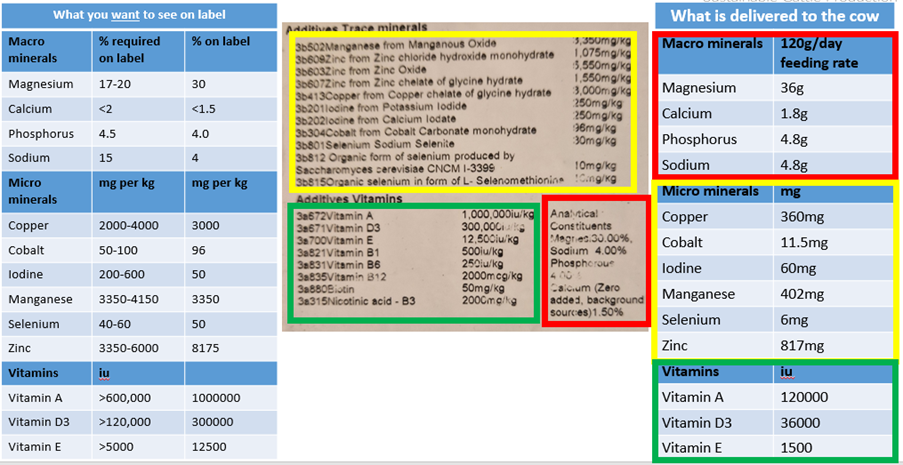
Figure 4: Pre calver minerals fed on James’s farm
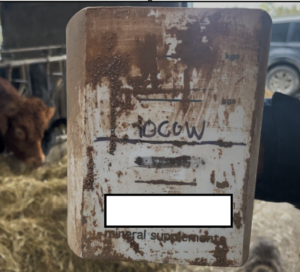
Figure 5: Marked and weighted measure for feeding out minerals
Silage quality
The silage being fed to the cows at the moment are outlined below in figure 6 both silage. Generally a dry cow will consume approximately 11 kg of dry matter per day, however, in the last 2 weeks pre calving the cow may physically be able to consume only 9 to 10 kg of dry matter daily, as the calf grows. A 700kg dry cow will require 9ufl and 670g of PDI protein in the 9th month of pregnancy. Assuming the cow can take in 11kg both of these silages will meet this requirement, however, if the cow can only take in 10 kg both of these silages will not provide enough of energy and protein. In order to counter this James will introduce soya bean meal to the incalf cows 3 weeks pre calving. By doing this James is ensuring that the energy and protein needs of the dry cow are met and also this would improve both colostrum quantity and quality. After calving the 1st calved heifers are fed 1.5kg of ration until turnout in late February early March in order to avoid large body condition score losses.
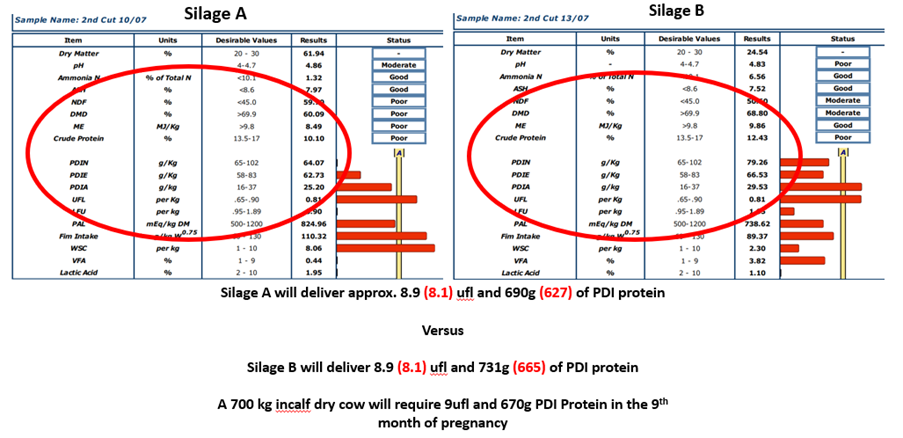
Figure 6 Dry Cow Silages being fed on James farm
Dry cow silages being fed on James farm. Silage A will deliver approx 8.9(8.1) ufi and 690g (627) of PDI protein verus Silage B will deliver 8.9 (8.1) ufi and 731g (665) of PDI protein. A 700kg in-calf dry cow will require 9 ufi and 670g PDI protein in the 9th month of pregnancy.
Colostrum Management
Once calves are born their navels are sprayed with iodine and they are tagged with the calving gate separating the cow from James and the calf for safety. Most of the calves born on the farm will get up and suckle the cow within twenty minutes , however, if for any reason a calf is slow to stand or unable to suckle the teats, James will milk the cow in the calving gate and stomach tube the calf with 3 litres of colostrum from the cow. In case of an emergency James keeps a store of colostrum from a local dairy farmer in the freezer.
Calving Facilities
As already mentioned all the sheds are power washed and disinfected during the summer months. Plentiful straw is purchased and a high amount of straw is used in order to maintain clean beds and keep newborn calves warm. Between calvings the shed is dusted with hydrated lime and bedded down with fresh straw. The calf creep area is draught proof and calves have access to water and a creep ration before they are turned out to grass.
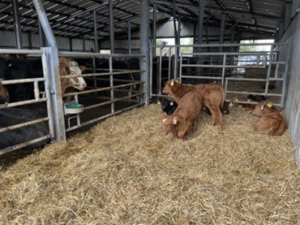
Figure 8: Calves in well bedded creep area
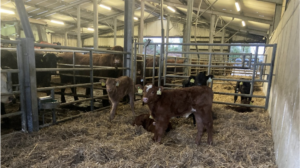
Figure 8: Calves in well bedded creep area