Breeding
- Pre-calving vaccines
- Feeding soya bean meal and minerals pre-calving
- Cows penned according to due dates
Cryptosporidium scour in calves has been a recurring issue on Michael and Niall’s farm. Last year they decided to use the vaccine against it and found it saved them a lot of work. Prior to this they were administering Halocur or a similar product to the calves for 7 days after birth. The labour and health and safety risks associated with it made the vaccine an obvious choice. The cows received their booster shot at the end of November, which must be given 3 to 12 weeks before calving. The in calf heifers received their primary vaccine on the same day and this will be followed up with a booster shot 4 to 5 weeks later, ensuring that they are vaccinated at least 3 weeks pre-calving also.
Michael and Niall also feed soyabean meal at 0.5kg/head to the cows for month before calving to help boost colostrum quality. Pre-calving minerals are also fed from 6 weeks pre-calving and the cows are penned according to calving dates.
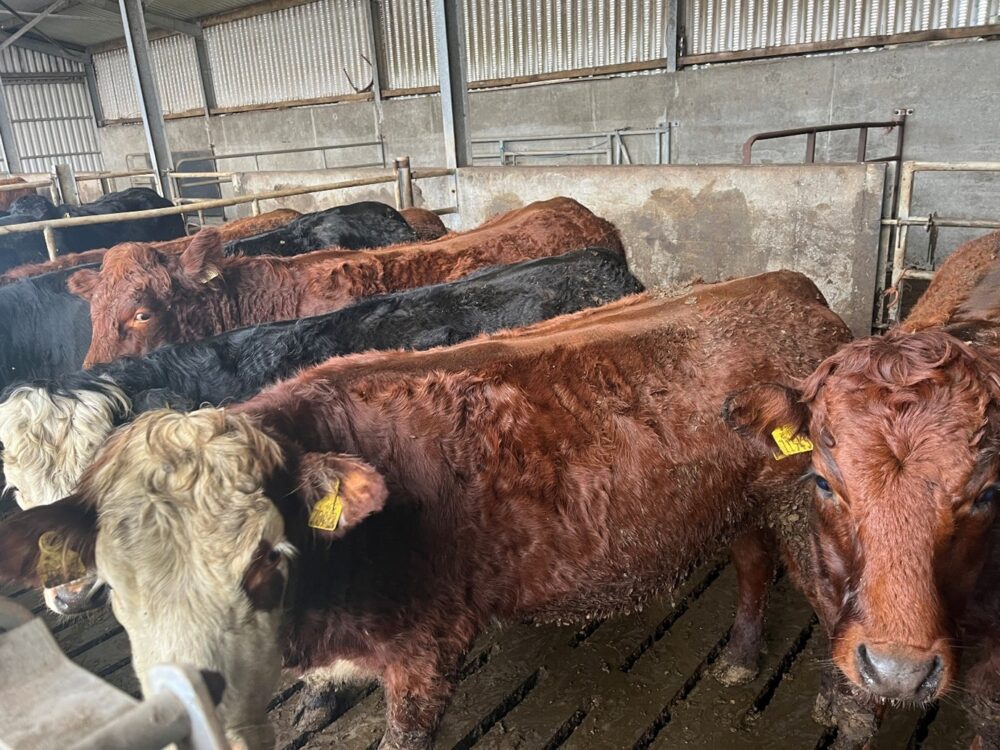
Figure 1: A pen of the in-calf heifers that are due to calve at 2 years of age
Calving is due to start on 20th January for the heifers and 7th February for the cows. 68 females are due to calve in total, and with the success of the synchronisation programme 32 of these are due between 17th to 18th February! However they will most likely calve over a 10 day period. While most farmers might be horrified at so many calves arriving together, Michael and Niall welcome it as they have sufficient calving pens set up and like to focus solely on calving at that stage. The cows are in good body condition and the Biggins’ are looking forward to seeing the AI calves arriving on the ground.
The cows were given a Trodax injection which covers them for immature and adult liver fluke. Their tails were clipped and backs shaved at housing and a Spot On treatment was administered for lice and mange.
The weanlings were housed at the end of October and given a dose for stomach worms and lung worms. The bulls were dosed for rumen fluke back in September as it tends to be an issue on some of the fields that they were grazing. They are all due to get a liver fluke dose, like Trodax, which will treat them for any liver fluke that was picked up over 6 weeks previous.
The 21 bought in heifers have been given a Noromectin pour on for lung worms and stomach worms, a Spot On treatment for lice and are due to get a Trodax injection to treat them for immature and mature liver fluke. They were vaccinated against IBR and received one shot of RSV, Pi3 and mannheimia vaccine on 15th November. Their backs will be clipped on the same day that the booster shot is given.
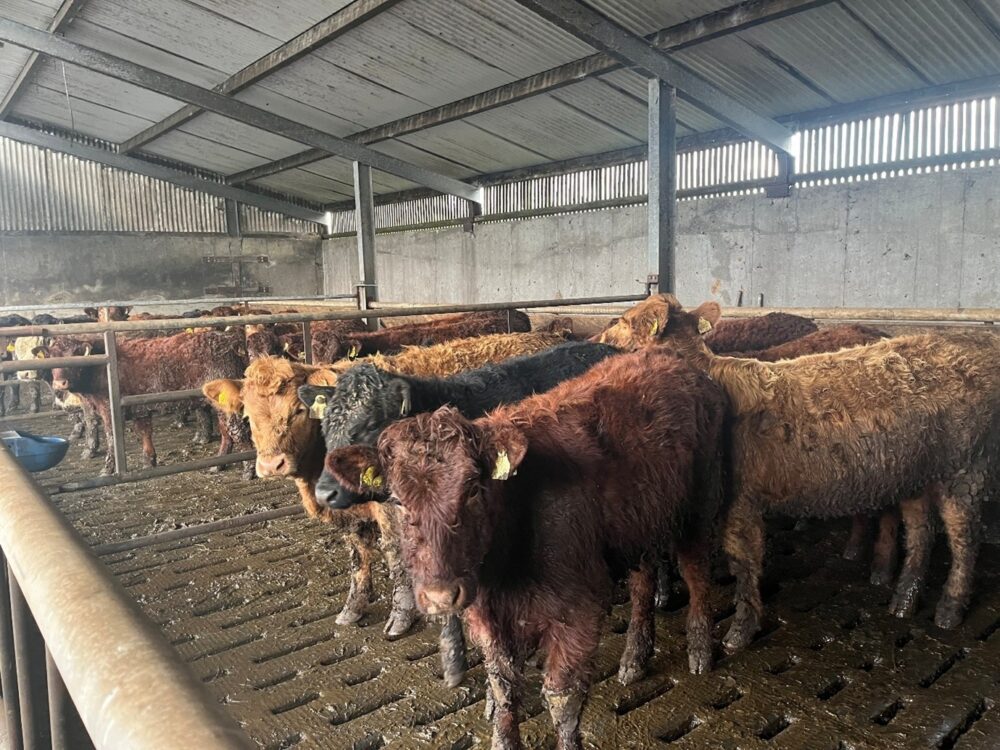
Figure 2: Three pens of the bought in heifers
Silage samples were taken on the farm through the BeefQuest project and the Future Beef programme. The home bred weanlings are eating 4th cut red clover silage, along with 1.5kg of a 16% crude protein ration.
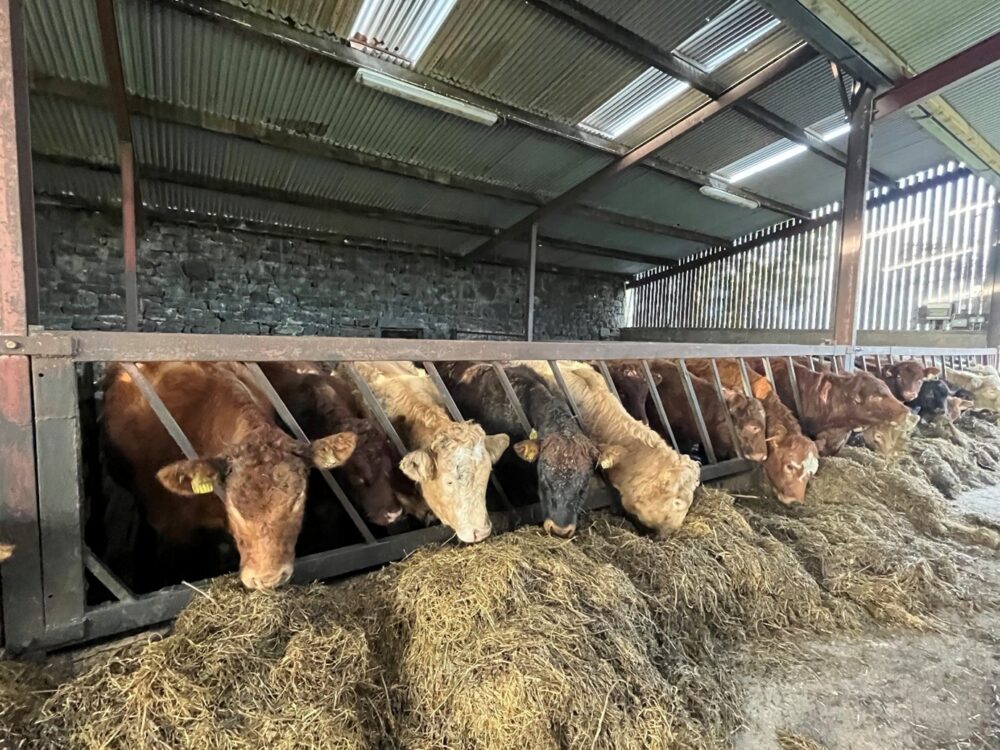
Figure 3: Michael and Niall have noticed good intakes on the 3rd cut red clover silage
The bought in heifers are eating 3rd cut red clover silage along with 1.5kg of a 16% crude protein ration, which could be increased to 2kg while they settle in. Their dungs are a little loose on it so a drier bale of silage could be fed to them once per week as their stomachs adjust to the new feed. The DMD was lower than expected in that silage at 67%, but it’s protein was exceptional at 19.9%. The dry matter result was 27%.
The cows are eating 67-69% DMD silage restrictively to maintain their body condition before calving. A mineral analysis was also taken from their silage which shows normal o high levels of minerals. However the silage is low in selenium so Michael and Niall will ensure their pre-calving mineral has a sufficient amount when buying it.
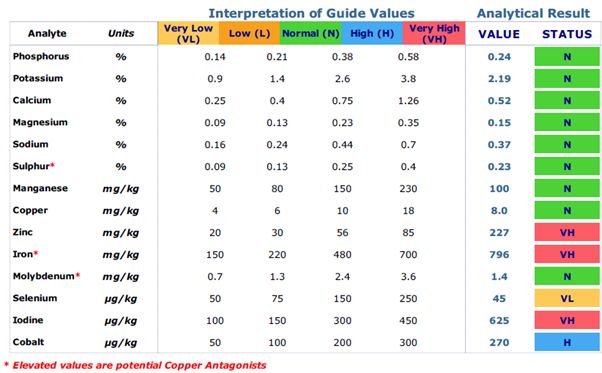
Figure 4: Mineral analysis result of dry cow silage