
Performance
The bull weanlings are housed and doing very well. On the 20th of October they were gaining 1.59 kg/hd/day since their last weighing on the 8th of September. The heifers were gaining 1.26 kg/hd/day in the same period. During this time they were weaned and housed.
How has Ruairi achieved this? It is simple — he does the basics right: low-stress weaning, a strong health plan and good nutrition. This is no accident, as Ruairi has been perfecting his weaning system over the last five years.
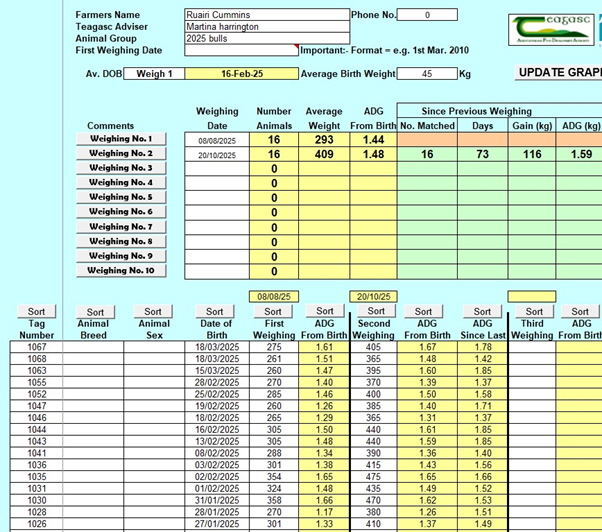
Figure 1: Weights of bulls on Ruairi’s farm
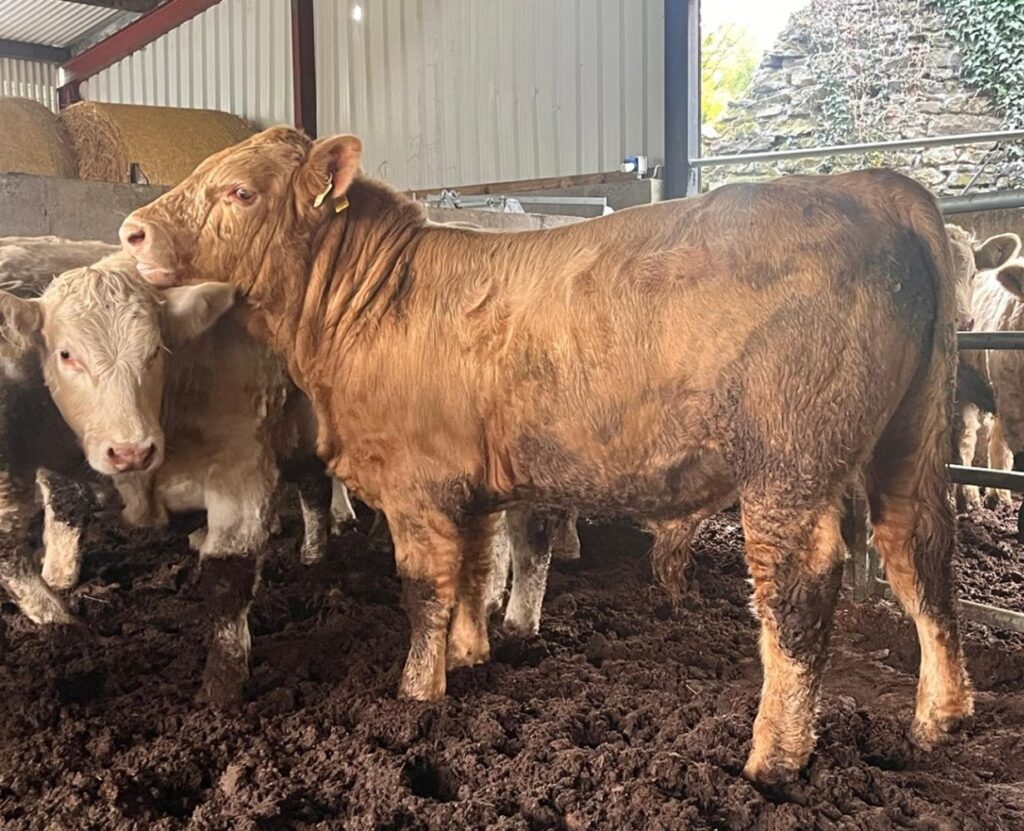
Figure 2: One of the Charolais bull weanlings
Animal Health
Vaccination starts in early August with the first shot of Bovipast, followed in early September by the second shot plus IBR. Three weeks before housing, the bull weanlings were dosed for stomach and lung worms to clean out their lungs and give them time to recover before being housed. After housing, they will be dosed again with ivermectin, their backs shaved and given a spot-on for lice. They will likely need another lice treatment around Christmas.
Weaning:
From a young age the calves can forward-creep graze. In August, after weighing, concentrates are introduced. Bulls are built up to 2.5 kg/day before housing. Once housed, they move to 3.5 kg/day, split morning and evening, along with red clover silage.
On housing, they are put on a straw bed for 7–10 days to settle, with hay and meal. Once settled, they move onto slats where they stay until finished.
The proof is in the performance — the bulls averaged 409 kg at eight months old.
Animal Nutrition
There are three main groups of stock on the farm:
- Suckler Cows – require average quality silage 65 -66 DMD. Cows and heifers are all in good body condition, to maintain this condition they require a 65 -66dmd silage. Any better and they will get over fat, poorer and they may loose too much condition before calving, this would be detrimental to getting her back in calf.
- Weanling Bulls – The priority is to keep them gaining at the rate they are. This requires top quality silage >70% DMD to maxamise intake. At 400kg to gain 1.3 -1.5kg/ha/day you need 3.5 -4kg of meal with this quality silage. This should increase by one Kg every month until they are 500kg and then they go up onto ad lib meal for finish.
- Weanling Heifers and Steers – They will be stored over the winter, with a target average daily gain of 0.6kg. This optimises compensatory growth next year at grass, but also ensures heifers are up to a target bulling weight of 400 – 420 kgs next May.
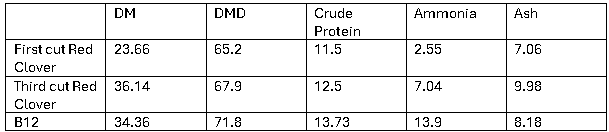
Figure 3: Silage sample results 2025
Three samples were taken.
The first figures to look at are DMD and crude protein, as these decide which stock get each silage. The first two samples are lower quality a 65.2% and 67.9% and will be fed to the cows. The B12 silage, which is highest in DMD (71.8%) and protein (13.73%), will be fed to the weanlings to ensure maximum intake and performance
The second figures are ash and ammonia:
High ammonia (>10%) usually means poor fermentation from low dry matter, low sugar or poor compaction. This can reduce intake, upset rumen function and increase the risk of scours.
High ash (>10%) suggests soil contamination from mowing too low, tedding or picking up soil during baling. This can reduce intakes and increase the risk of listeriosis, eye problems and mineral imbalance.
Breeding: preparation for calving
Calving starts on Ruairi’s farm in early February. December is the time to prepare so that healthy calves are born and cows go back in calf again. There are three key areas:
- Body Condition Score (BCS)
Target BCS is 2.75 for cows and heifers. Cows are housed according to their BCS and fed accordingly. Mature cows are on hay, while first- and second-calvers are on silage.
- Minerals
Starting six weeks before calving, all cows get 100 g/day of a high-spec pre-calving mineral on top of their silage. All cows can feed at the same time, and first- and second-calvers are penned together to reduce bullying.
- Vaccination
All cows are vaccinated for Rota and Corona scour. It can be given 3–12 weeks before calving, with the ideal window being 4–5 weeks before calving. This allows antibodies to build in the colostrum. Cows are grouped and vaccinated based on predicted calving dates. The first group will be vaccinated in mid-January.
An IBR vaccine is given at the same time. This reduces IBR shedding when cows come under stress at calving. Calves also receive some immunity through the colostrum, protecting them against IBR pneumonia for the first three months.
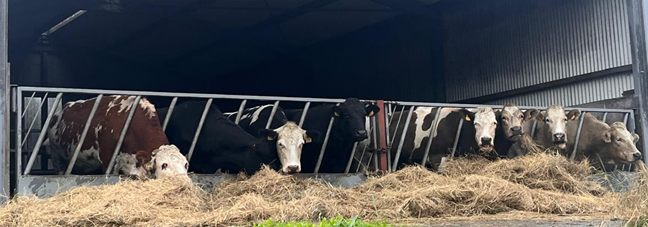
Figure 4: Suckler cows eating lower DMD silage