



Breeding
Eight cull cows are to be sold after scanning took place. Only one is not in calf, but the remainder have bad feet and/or are late calving. Wesley is feeding them ration in a pen separate to the main herd. This will leave Wesley with 69 cows and 18 heifers to calve next spring (87 in total) and he expects to sell some in calf heifers before then.
He invested in a new Limousin stock bull for 2026. He is sired by S2106 Kaprico Eravelle and was bought specifically for his terminal figures. His terminal index is €160, cow calving difficulty is 5.2% at 68% and his carcass weight is 33.8kg. The conformation is 2.79 and while the age of finish is higher at 7.46 days this was not a concern for Wesley as he was chasing carcass weight.

Figure 1: The new Limousin stock bull that is being housed in a secure pen
The bull has two copies of the myostatin mutation – 1 x F94L and 1 x Q204x. The F94L will produce double muscled calves without any increase in birth weight, while the Q204x and NT821DEL11 will also produce double muscled calves with an increase in birth weight. This means that the bull’s calves will have double muscling but Wesley has no control over which copy of the gene that they receive. He will however have control over the cows that are bred to him and will examine their myostatin status before turn out with him. If they have the Q204x or NT821DEL11 mutation he may choose not to breed them to him in case the calf produced has extreme muscling and has a difficult calving.
The myostatin status for the herd can be checked on the ICBF Herdplus website by going to Menu> View Profiles > Genomics > Myostatin & Polled.
Animal Health
The weanlings were dosed with Ivomec super at the end of November which treated them for adult liver fluke, lung worms, stomach worms and lice. Liver fluke are classified at adults at 10 weeks after they are picked up. In Wesley’s case the weanlings are housed approximately 6 weeks so he will monitor them over the coming month to ensure that any early immature fluke (<6 weeks) which would not have been killed affect the cattle. Their backs were shaved to help prevent dirt build up and sweating in the shed.
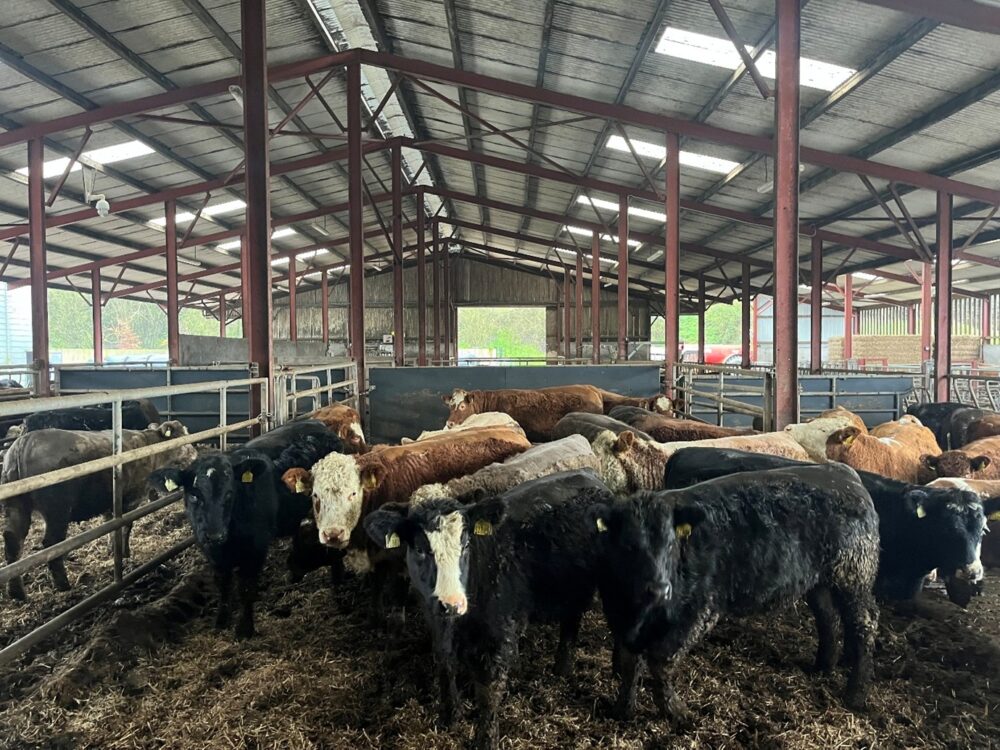
Figure 2: Weanling heifers have been received their housing dose
Wesley made some additions to the shed this year and has installed stock board sheets on the dividing gates between the bulls and heifers. He expects that this will help to prevent upset from the bulls if any heifers are on heat over the winter as they will not be able to have any direct contact or sight of them.
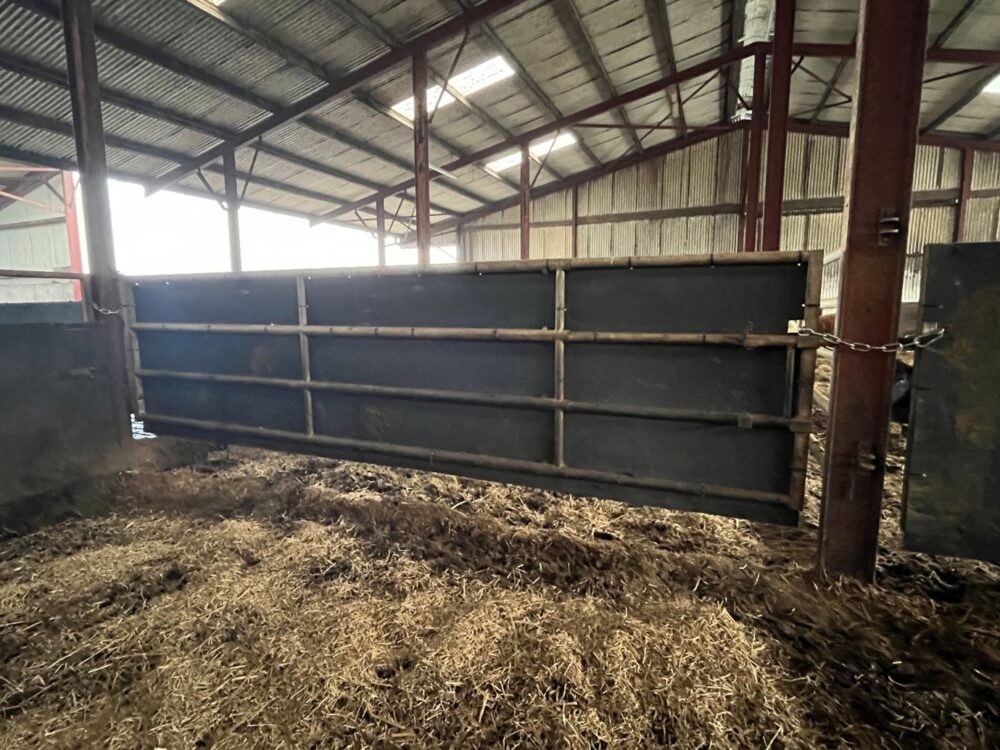
Figure 3: New stock board added to the shed to block the sight between the bull and heifer sections
Performance
The 2025 born bulls (41) were weighed on 24th November. They averaged 349kg and gained 1.25 kg/day on average since birth, which is well ahead of the same time last year. 13 of them were previously weighed on 31st October and they gained 1.85 kg/day during that time.
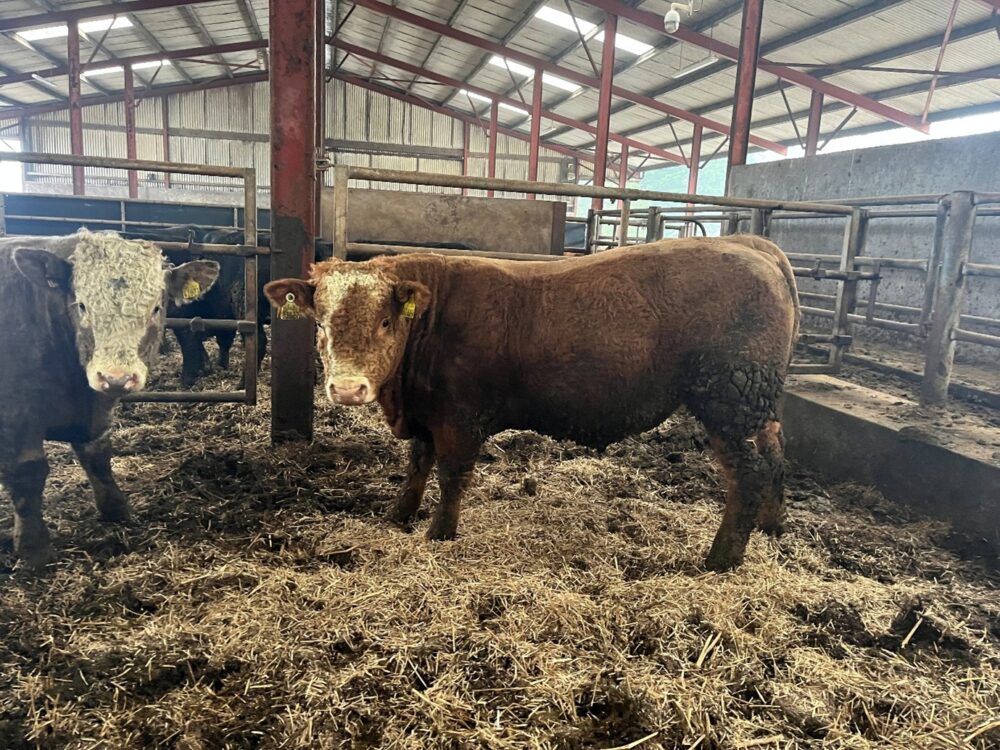
Figure 4: One of the Simmental bulls that will be finished under 16 months
The 2025 born heifers (38) were weighed on 25th November. They averaged 293kg and gained 1.03kg/day on average since birth. 17 were weighed on 31st October and they gained 0.85 kg/day during that time.