
Articles
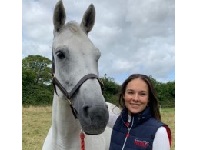
Meet Nicole – an ISH young breeder
Meet Nicole – an ISH young breeder Nicole Groyer grew up in Naul, North Co. Dublin surrounded by animals and horses on her grandfather’s farm. Her interest in horses began from an early age when her mother took Nicole to local agricultural shows, hunts and annually visited the RDS Dublin Horse Show. […]
19 November 2021
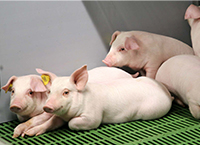
Shiv Vasa, PhD Student Pig Development Dept
Shiv Vasa, PhD Student Pig Development Dept In this video Shiv Vasa, PhD Student with the Teagasc Pig Development Department explains his work on improving the survival and growth of piglets from large litters through manipulation of colostrum and milk, and provision of supplemental milk. This is one of a series of […]
19 November 2021
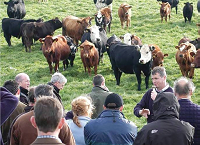
Are you considering converting to Organic Farming?
Are you considering converting to Organic Farming? The Teagasc Organic Specialists are hosting a series of Autumn organic webinars covering various technical aspects of organic farming. The third webinar in the series, on Wednesday, 24 November at 7:30pm focuses on considering converting to Organic Farming. Two farmers talk about their experiences The third […]
18 November 2021
Cover crops update from Signpost Tillage Farmer Vincent Macken
Cover crops update from Signpost Tillage Farmer Vincent Macken See this video update on cover crops from Co. Meath Signpost Tillage Farmer, Vincent Macken. Vincent uses cover crops of Phacelia, Tillage Radish and Mustard mainly as a soil conditioner prior to sowing winter and spring crops, as Shane Kennedy, Teagasc advisor outlines. […]
18 November 2021
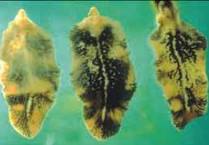
Fluke Control – Product Choice and Timing Critical
Fluke Control – Product Choice and Timing Critical As we move into the winter months and cattle come into the shed apart from the obvious hike ration costs our thoughts should turn to Fluke control. Aidan Murray, Teagasc Beef Specialist has more guidance on choosing the right product to use at the […]
17 November 2021
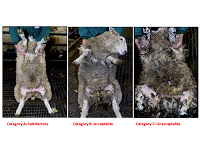
Clean Livestock policy – Sheep
Clean Livestock policy – Sheep Presenting lambs clean at the abattoir becomes more challenging as the year progresses particularly for those finishing outdoors as weather conditions deteriorate. Ciaran Lynch, Teagasc Sheep Specialist discusses the Clean Livestock Policy for sheep Even for those finishing indoors it can prove problematic if steps aren’t taken […]
17 November 2021

How to eat and exercise your way to healthy ageing
How to eat and exercise your way to healthy ageing Many of us first think about healthy ageing the day we turn 65, but age-related changes in our bodies start long before that. This article by Teagasc Researchers Caoileann Murphy and Sinéad McCarthy, first appeared on RTÉ Brainstorm recently You can now […]
16 November 2021
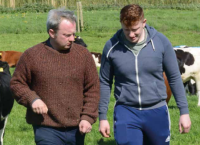
Hiring staff: Where to start?
Hiring staff: Where to start? The Spring 2022 calving season around the corner so now is a good time to plan who will help to run your business. All too often fatigue and burn out occur in Spring time on many farms. Dairy Specialist Martina Gormley gives some information and advice on […]
15 November 2021
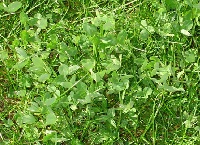
Is the Tide Eventually Turning for Clover?
Is the Tide Eventually Turning for Clover? Dairy farmers are regularly asking their advisors what they are going to do about fertiliser next spring. They are aware that Nitrogen fertiliser looks to be scarce for next spring and if available, it will be at inflated prices. Teagasc Advisor John Hardy has advice […]
14 November 2021
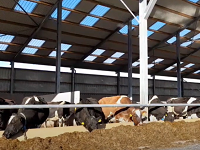
Winter Management of In-Calf Dairy Heifers
Winter Management of In-Calf Dairy Heifers Mairead Kirk, Dairy Advisor in Teagasc Louth explains the key steps in the winter management of in-calf dairy heifers. As they are the future of your herd, in-calf heifers should be a top priority for you this winter. In this video Mairead talks about heifers calving […]
14 November 2021