



Animal Health
The latest TB test was clear, and John must re-test the herd in January.
A few suckler cows are lame so they will be treated over the coming weeks. All cows were given an Ectospec pour on to treat them for lice and mange.
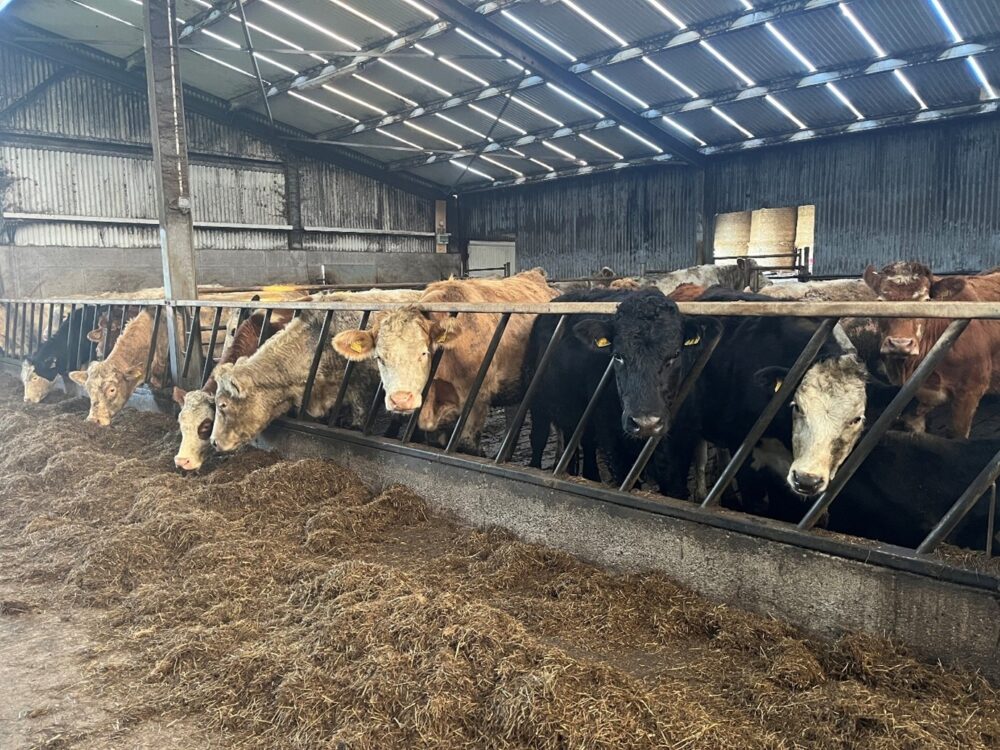
Figure 1: The suckler cows are housed near the calving area for ease of management
The dairy beef calves outside and store cattle who are housed approximately 6 weeks are due to be dosed. The suckler calves have been dosed with an Ivermectin product and are housed approximately 4 weeks. The in-calf heifers were dosed with Bimectin 1% injection which treated them for lungworms, stomach worms and lice.
The weights for the suckler calves are lower than expected and it is suspected that there may be a fluke burden present. John is going to FEC sample them for liver and rumen fluke to see if there is any issue and treat them accordingly. He does not get AHI Beef HealthCheck reports from the local factory so has no means of checking if his suckler cattle have shown any damage from fluke when finished.
Animal Nutrition
John grows his own spring barley and keeps the grain for feeding back to cattle. His current ration mix consists of:
- 60% barley
- 16% beet pulp
- 8% of a 14% protein ration
- 8% molasses
- 7% soya bean meal
- 1% minerals
When this is calculated based on the straight prices, the ration cost amounts to €264/t, which is much cheaper than a standard ration. However John does have the mixing and drying costs.
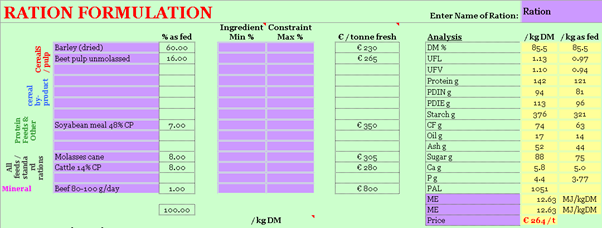
Figure 2: Ration mix that John is feeding this winter
John also tested his silage, with the dairy beef weanlings getting the red clover silage and the housed cattle getting the 69.5% DMD grass silage.
The red clover tested very well at 73.9% DMD, with 14.42% crude protein at 29.78% dry matter.
The weanlings are being fed the home-mixed ration along with this to balance their diet for energy and protein.
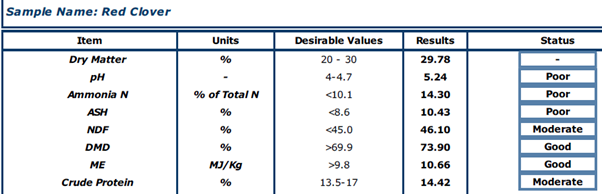
Figure 3: Red clover silage sample results
Performance
John sold 3 cows, 1 bullock and 1 heifer to the factory in November. He also sold 13 older bullocks live through the mart that averaged 650kg and averaged €4.30/kg.
The suckler cattle were weighed on 11th November. The 2025 born heifers (27) averaged 244kg and gained 0.78kg/day since birth. They gained 0.56kg/day since their previous weighing on 20th September.
The 2025 born bullocks (41) averaged 249kg and gained 0.81kg per day since birth, and 0.46 kg/day since 20th September.
The 2024 born suckler heifers (21) averaged 413kg and gained 0.58kg/day since 15th May. The 2024 bullocks averaged 464kg and gained 0.69 kg/day during the same time.
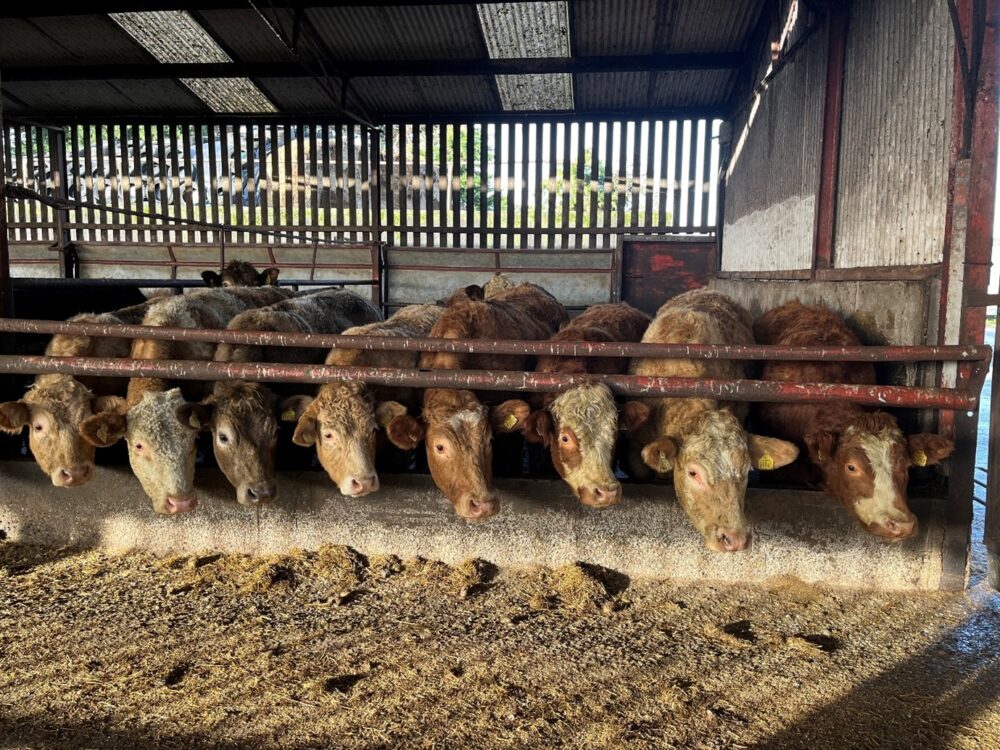
Figure 4: Suckler bred stock are penned according to year they were born
The 2025 dairy beef heifers (50) averaged 182kg and gained 0.55kg/day since birth. The dairy beef bullocks (67) averaged 193kg and gained 0.57kg/day since birth.
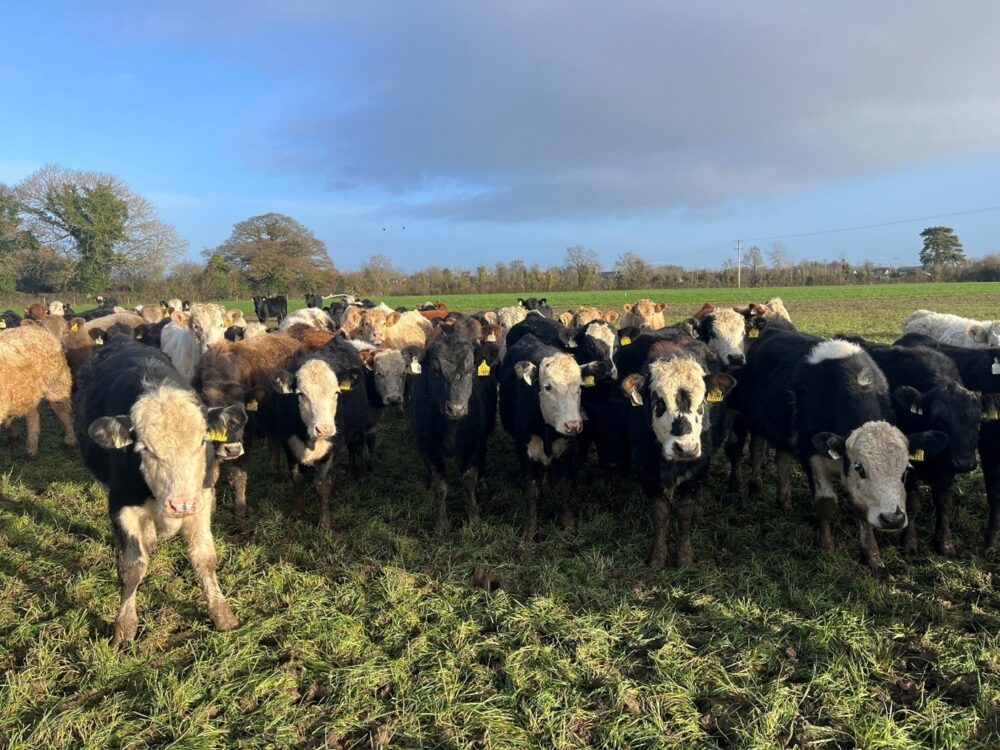
Figure 5: Some of the dairy bred and suckler bred weanlings at grass
The 2024 born dairy beef bullocks (53) averaged 465kg on 11th November and gained 0.52kg/day since 15th May. The heifers (49) averaged 448kg and gained 0.57kg/day during the same time.