

Animal Health
- Lying space available
- Feeding space requirements
- Calculating stock numbers per shed


The lying and feeding space was calculated for the weanling heifers, bulls and cows on Cathal’s farm. He has a new 3 bay slatted shed for the cows and an older 4 bay slatted shed with a concrete area at the back for the youngstock.
The cows need 3m2 of lying space per animal and 0.45m of feeding space when getting ad lib silage. When this is calculated out, it means that there is sufficient lying space for 7 cows, and enough feeding space for 10 cows. However as the lying space is the limiting factor the pen is only suitable for 7 cows, unless further lying space was allocated, but this isn’t necessary for Cathal.
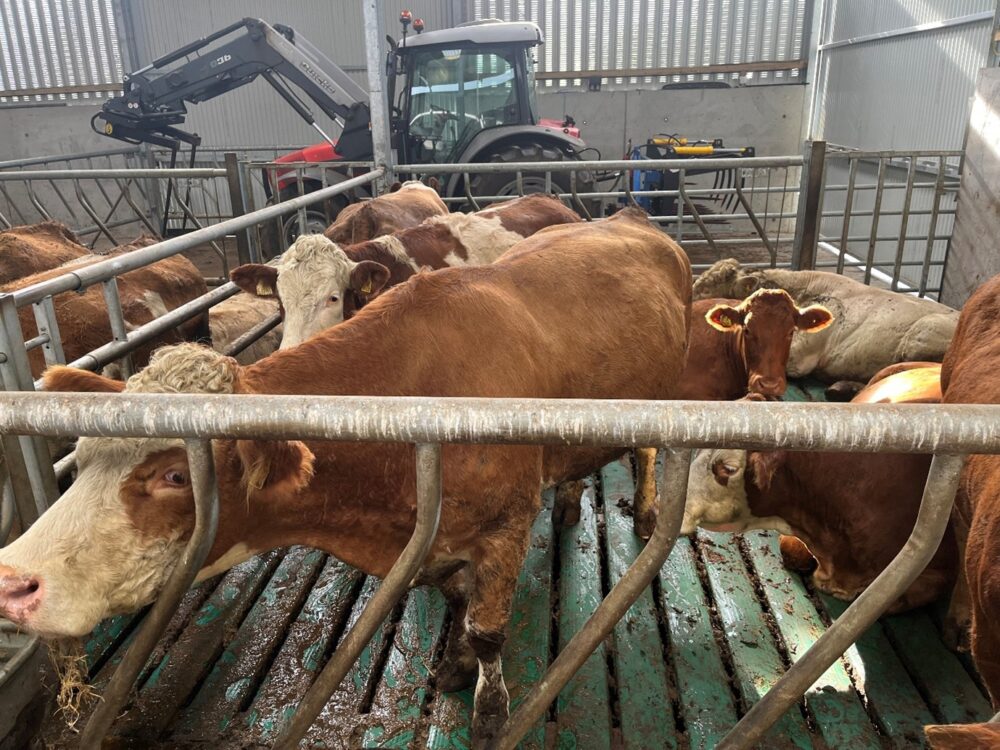
Figure 1: The cows require 3m2 of lying space on slats
The weanling heifers require 1.7m2 of lying space in their pen, which means that 11 weanlings could be housed. However the feed space is the most limiting factor for them too and at 0.5m feeding space required when eating ration, the maximum stocking rate per pen is 8 weanlings. Fortunately Cathal has the option to feed cattle from both sides of the pen so this allows him to stock the pen with up to 11 weanlings.
The finishing bulls require 2.7m2 of lying space. Even though they are housed as weanlings, it is not advised to mix bulls after housing so essentially they must stay in the same pens and groups throughout the growing and finishing period. Cathal has enough lying space for 12 bulls, but only enough feeding space for 11 bulls at 0.65m so that is the maximum capacity.
Research from Teagasc Grange has shown that insufficient lying space for finishing cattle at 2m2 can result in reduced carcass weights of 20kg per animal, so it is very important for optimum winter performance. Cathal also has mats in place on the slats for the bulls, which research has shown can increase carcass weight gain by 11kg/head.
Cathal has been analysing his ICBF weaning performance report for the 2025 born calves. The bull calves averaged 308 kg at a predicted 200 day weight, which is ahead of the target of 300kg. The heifers are also ahead of the target 250kg at 256kg which Cathal is happy with.
There are two sets of twins in the herd and the are the poorer performers with average daily gains ranging from 0.66kg/day to 0.91 kg/day, with all other calves gaining over 1kg/day up to 1.83 kg/day.
The weaning efficiency for the herd is excellent at 44%, ahead of the target 42%. The cows that reared twins had a high weaning efficiency despite the lower weight gains at 61% and 54%.
Overall Cathal is happy with their performance this year and found that the creep feeder pre-weaning was beneficial for reducing stress at weaning, and also helped to keep weight gains up when the weather turned very wet.
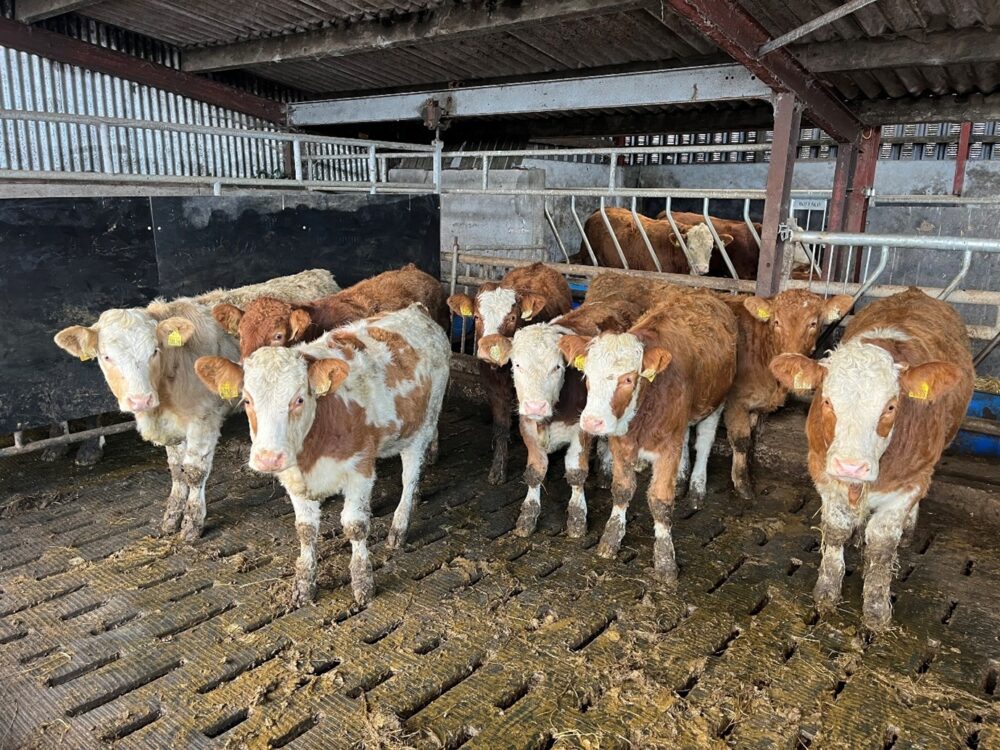
Figure 2: Weanling heifers in the shed
The bull weanlings are eating 3kg of ration/head/day, while the heifers are on 2kg/head/day. Cathal initially planned that the bulls would be built up gradually by 1kg/head/week to ad lib feeding, but is aiming to finish them at 8-9 kg/head/day instead.
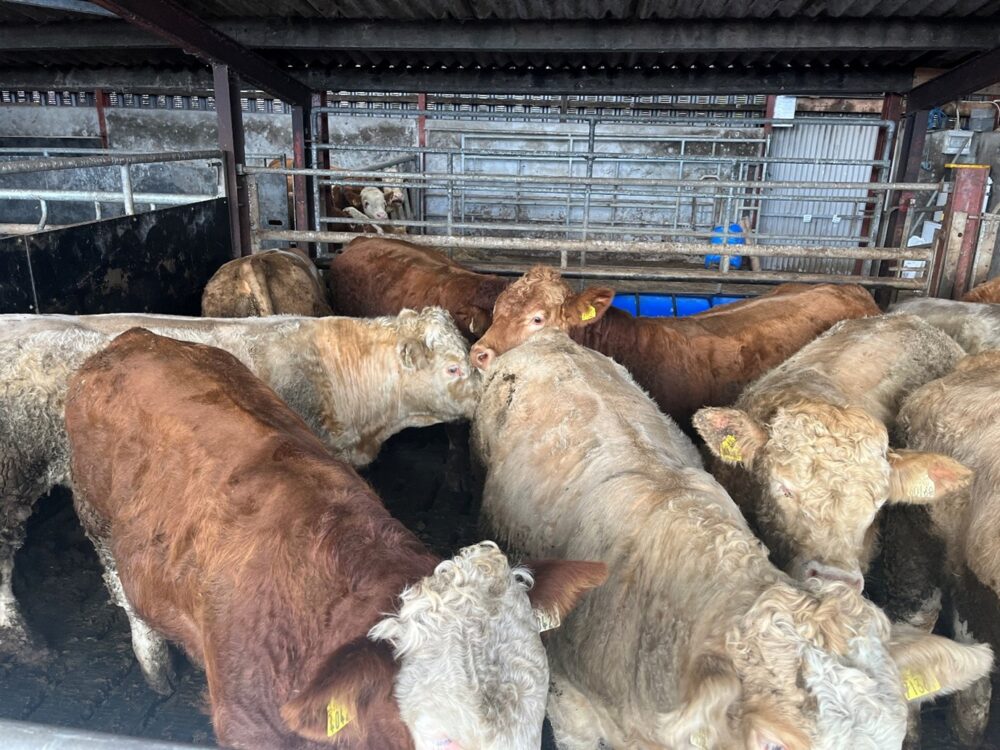
Figure 3: The bulls are on 3kg/head/day
He took silage samples as part of the Beef Welfare Scheme and the results were as follows:
Cathal expected the silage quality to be better but has found the intakes to be good among the cattle. The dry cows are eating the lowest quality silage, and the weanling heifers and bulls are on the second cut which is balanced for energy and crude protein. Cathal will monitor their weight gains over winter to ensure they are achieving their target weights.