
The bioeconomy explained
The bioeconomy uses renewable resources from agriculture, forestry and the marine to produce food, feed, materials and energy, while reducing waste, in support of achieving a sustainable and climate-neutral society. In this article, we highlight some key areas where Teagasc has been leading the way in the development of the Irish bioeconomy.
The European Commission states that stronger development of the bioeconomy will help the EU accelerate progress towards a circular and low-carbon economy, reducing our reliance on fossil fuels. Agriculture, forestry and the marine play a key part in the future development of the bioeconomy. Here we explain a bit about the bioeconomy and outline some of our successful projects to date.
Anaerobic digestion (AD) is a biological process whereby microorganisms break down organic matter (in the absence of oxygen), producing biogas (a mixture of methane and carbon dioxide) and a nutrient-rich digestate. AD is gaining traction in Irish agriculture as a method to convert organic waste into renewable energy and valuable byproducts, such as fertiliser.
Spotlight: The Irish Research Council Fellowship project EMPOWER-AD is developing a novel electrodialysis technology to produce high-value products from Anaerobic Digestion digestate.
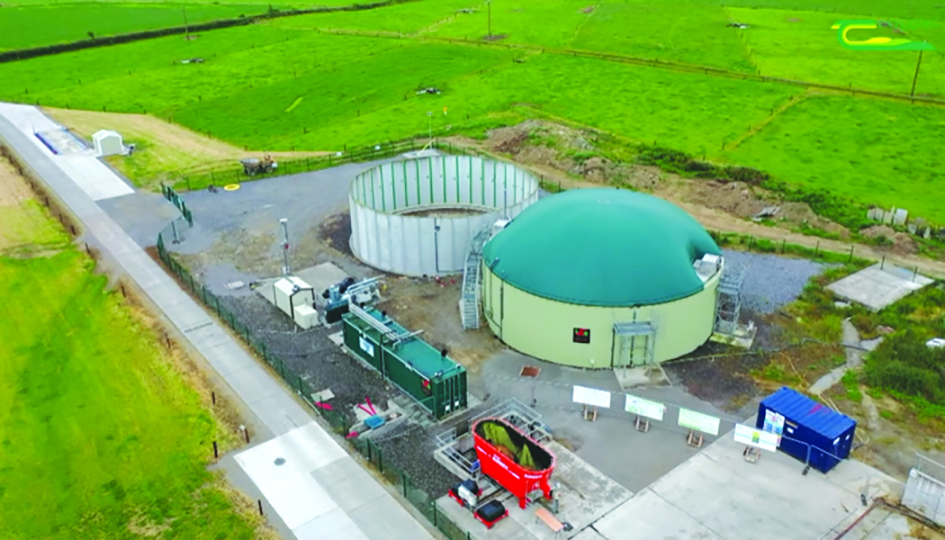
Photo credit: Teagasc
Bio-based products are derived from biological and renewable resources such as plants, animals, and microorganisms, offering a sustainable alternative to traditional fossil fuel-based products. These products span various sectors, including construction, textiles, packaging, and chemicals.
Spotlight: The EU-funded NOVAFERT project demonstrated the use of bio-based recycled nutrients from food processing and agriculture to lessen reliance on imported mineral fertilisers while supporting food production.
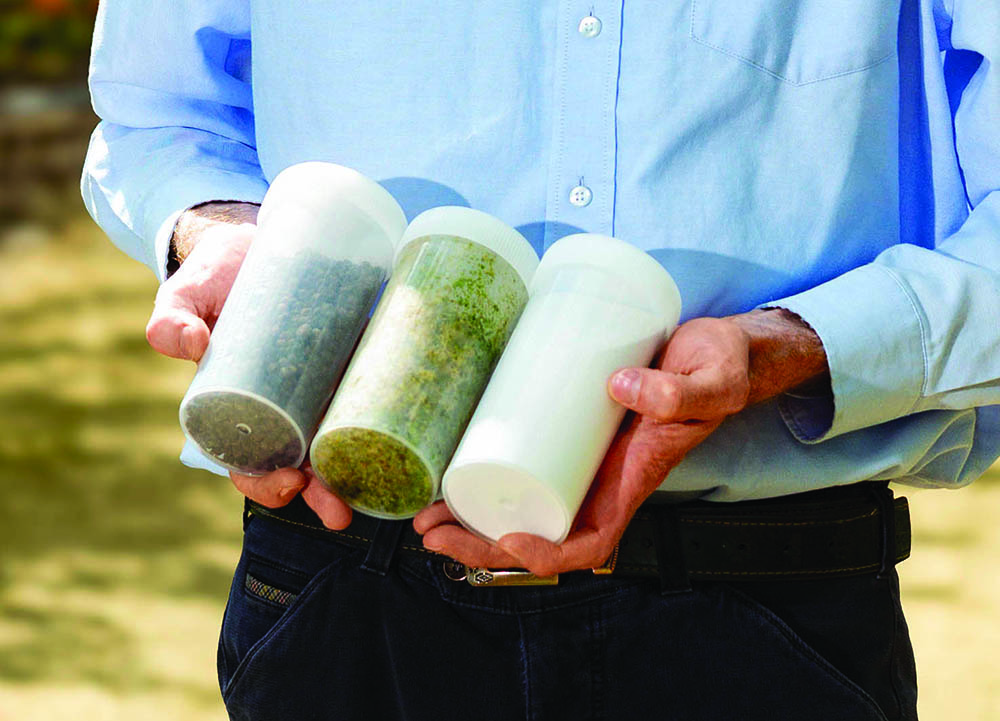
Photo credit: John Ohle
Feed stocks are raw materials used to produce other products, fuels, or intermediate materials. In Irish agriculture, feedstocks with potential include crops like beans, cereals, along with fresh grass and silage. Animal and forestry byproducts also feature.
Spotlight: Building on work by Meat Technology Ireland, the DAFM-funded CirCoVal project processes co-products from meat processing into a broad range of value-added products.
Precision fermentation uses microorganisms to produce specific molecules, like proteins and a range of small molecules, which can then be used in various industries, including food, pharmaceuticals, and the industrial biotechnology sector.
Spotlight: The DAFM-funded U-Protein project is using ‘microbial cell factories’ to produce valuable food dyes from starchy plant by-products.
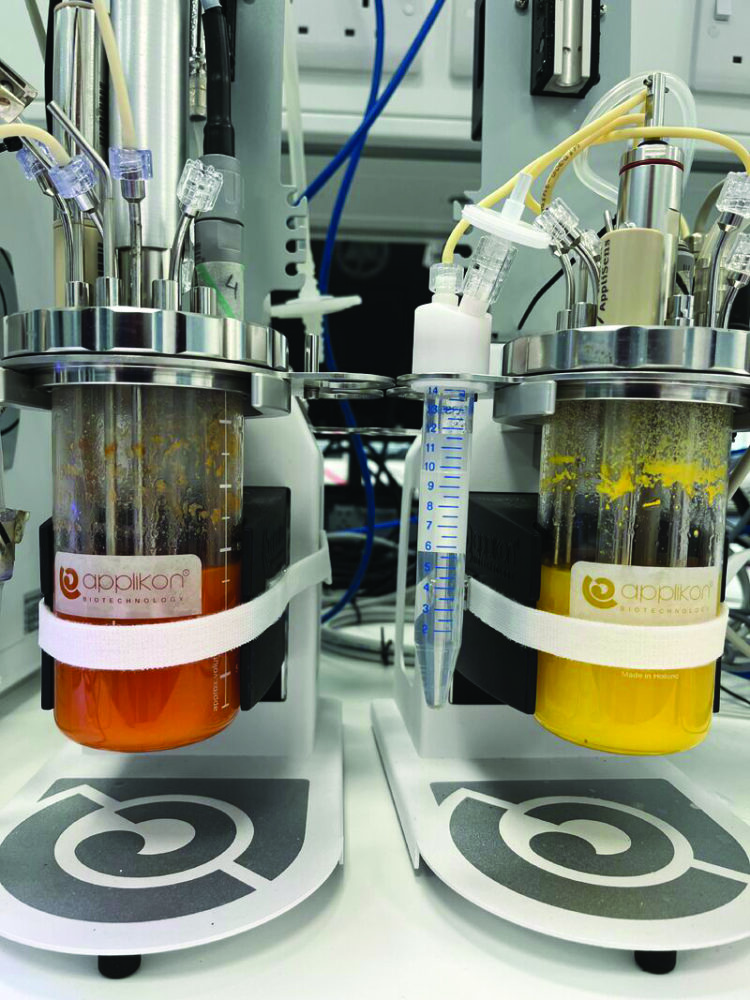
Photo credit: Teagasc
Biorefining is the sustainable processing of biomass to produce a range of marketable products and bioenergy. It’s analogous to a petroleum refinery but uses biomass as its feedstock instead of fossil fuels, creating a variety of products like food, feed, chemicals, materials, and biofuels. Grass and agricultural residues are being developed for biorefining in Ireland.
Spotlight: The U-Protein project investigates the economic, environmental, and nutritional sustainability of grass as a protein source, and the suitability of that protein for human consumption, with funding from Department of Agriculture,
Food and the Marine (DAFM).
Biotransformation is the conversion of biomass and waste into valuable products, reducing reliance on fossil fuels and minimising waste.
Spotlight: The Research Ireland-funded EBSTAR project turns dairy waste into value using microbes and smart biorefining solutions.
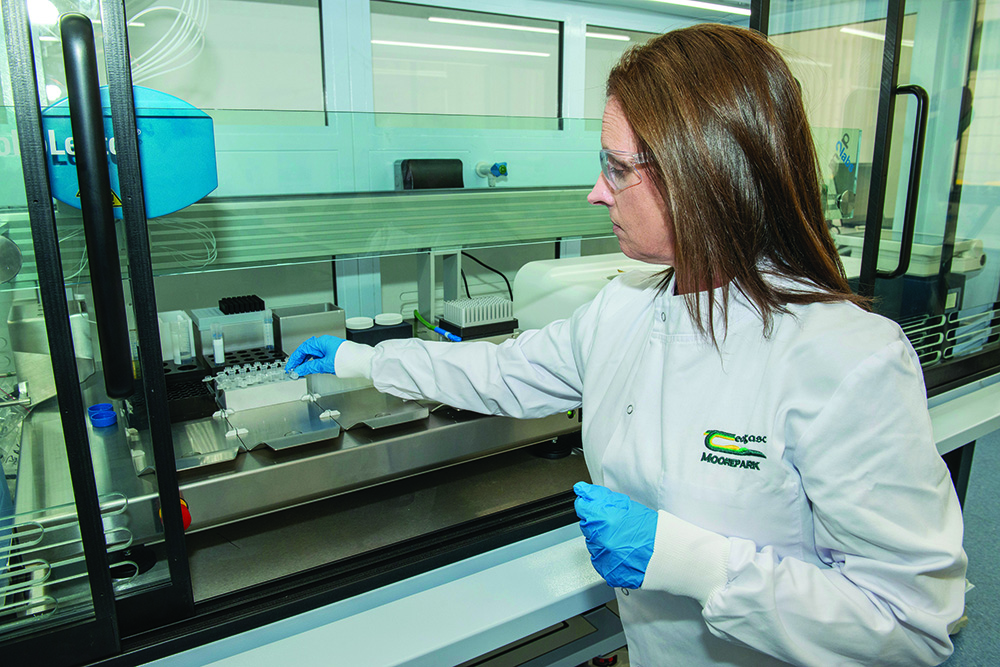
Photo credit: Andrew Downes
Valorisation of farm residues and wastes refers to the process of transforming agricultural waste into valuable products or energy rather than discarding them. This approach helps reduce waste, minimises environmental impact, and creates economic opportunities by turning agricultural byproducts into useful resources.
Spotlight: The EU-funded ROSETTA project is taking ‘ugly’ carrots, that would otherwise be discarded, and developing a range of high-value products.
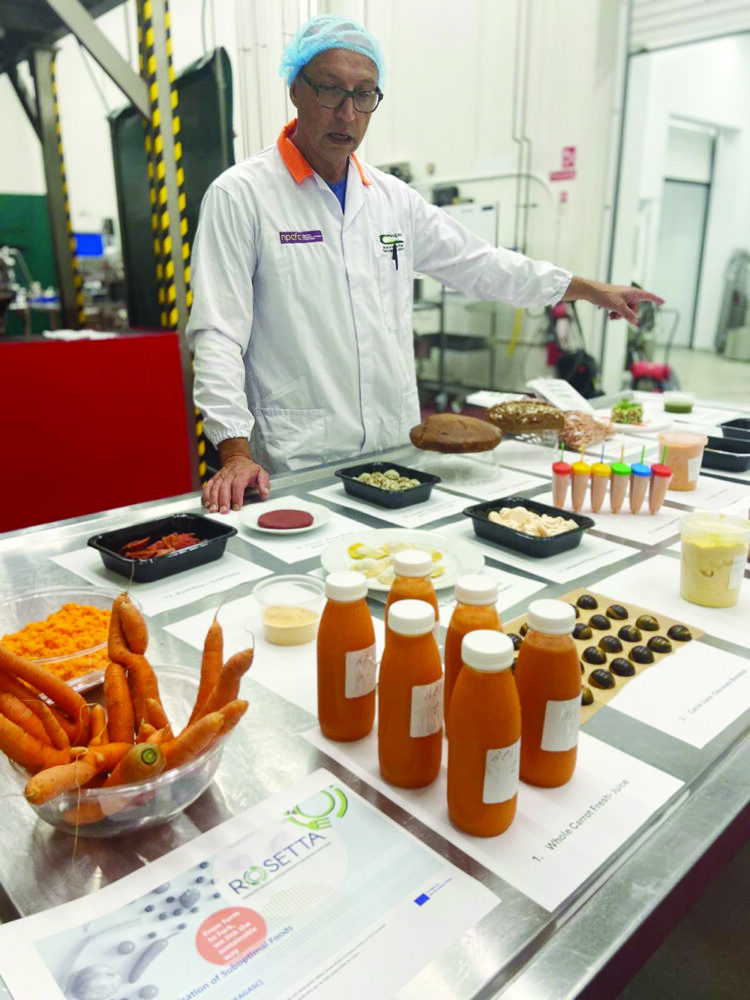
Photo credit: Teagasc