

Breeding
- Preparations for calving are underway
- Minerals and soya fed pre-calving
- Scour vaccine shave been administered


Preparation for calving is going well for Cathal with 18 cows expected to calve down this spring. He is feeding 0.5kg of soya bean meal, 100-120 g of pre-calving minerals and 0.5kg of oats to each of the cows and in calf heifers per day. However he has decided to cut out the oats as the cows are in good body condition and eating the minerals and soya without the oats.
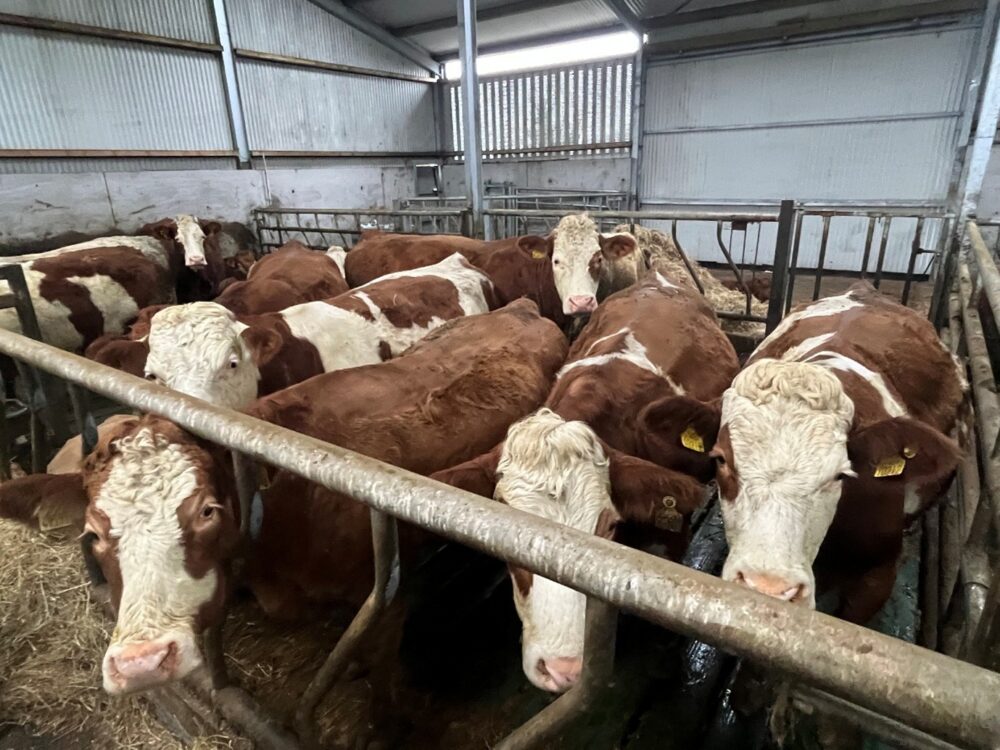
Figure 1: Cows are in good body condition in the leadup to calving
The cows and heifers were scanned last autumn so Cathal has expected calving dates for them and will be monitoring these over the calving period. They were all vaccinated against rotavirus, coronavirus an e.coli to help precent scours in the calves after birth. Cathal has the calving cameras and equipment ready near the calving pens and the head gate and calving gate is also in place if needed. Disinfectant for navals, calving gloves, lube and calving ropes are all key items that Cathal will need on hand. He also has a portable calf crate in the calving shed which is useful for tagging calves after birth and disbudding them.
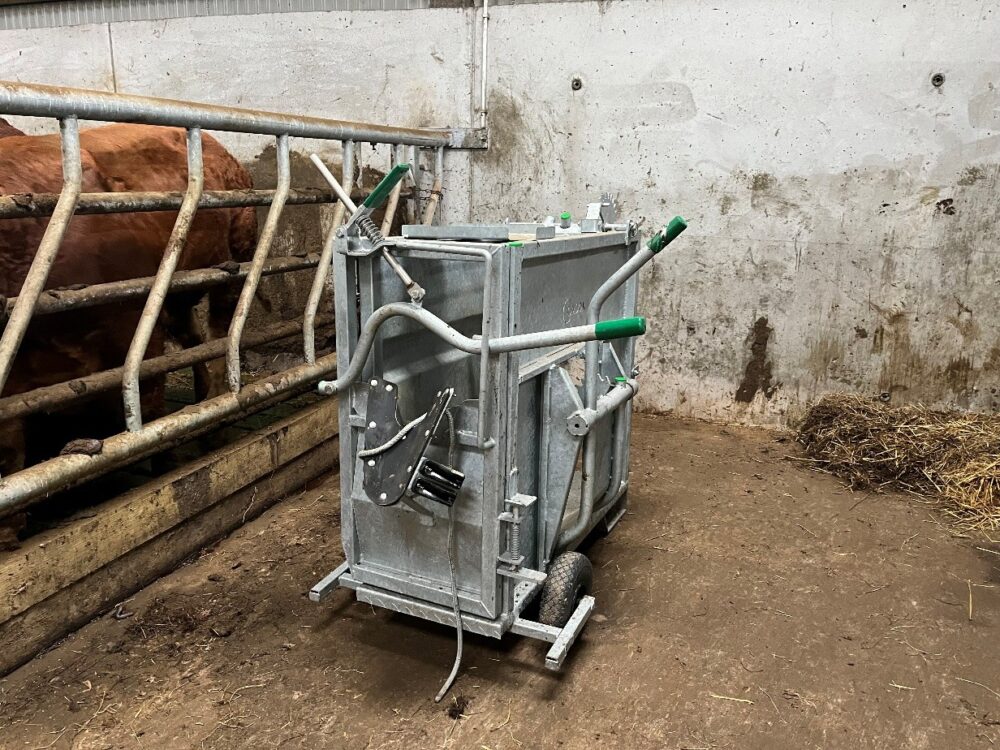
Figure 2: The calf crate can be used for tagging and disbudding calves
Cathal plans to sell the Limousin bull this year after the heifers are bred. He is also looking for a replacement Charolais bull as he finds him quite narrow at the back and is concerned that it might affect the grading of the bulls going forward.
The breeding heifers and cows will be vaccinated against leptospirosis after calving.
Cathal had an outbreak of rumen fluke in his finishing bulls last year and was adamant not to have a repeat of the same issue this year. At housing, all the weanlings were given a levacide dose which treated them for lung worms and stomach worms. They were then dosed for rumen fluke 1 week later and this was followed by a liver fluke dose to cover all stages. All were vaccinated against IBR, RSV, Pi3 and mannheimia to prevent respiratory disease over the winter.
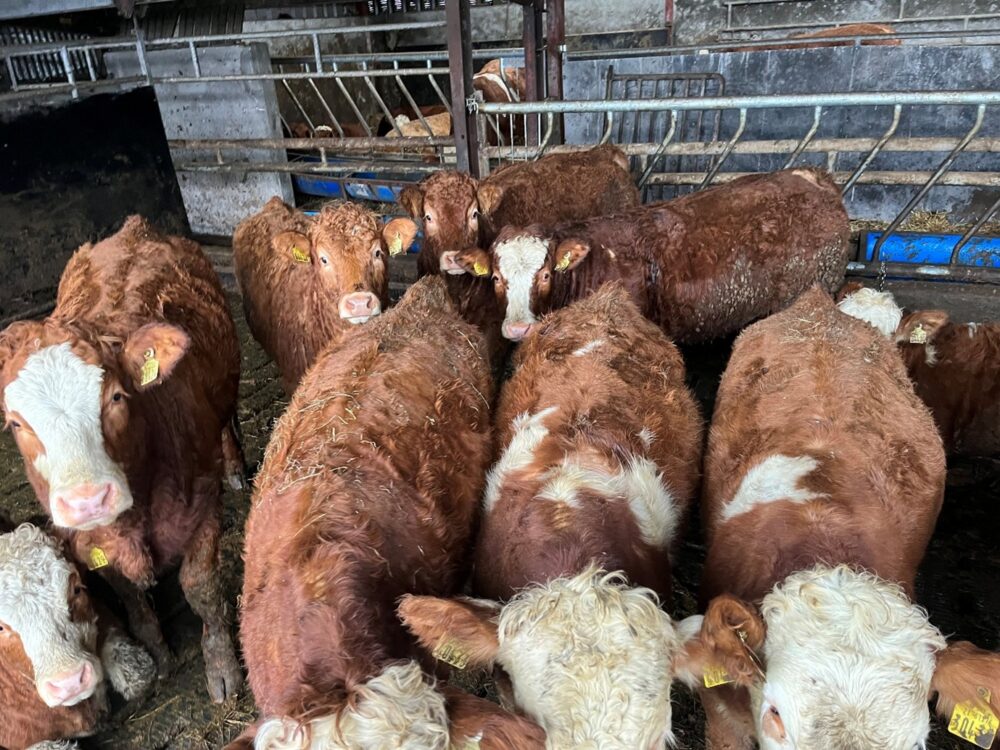
Figure 3: Weanling heifers have performed well over winter
Cathal is currently feeding 9 home bred bulls and 14 bought in bulls for finishing under 16 months of age. This year Cathal has made changes on his farm and the lifetime average daily gains of the bulls are averaging 1.31kg/day for his home bred bulls and 1.44kg/day for the bought in bulls, which is 0.2kg/day ahead of last year. He has done the following to achieve this:
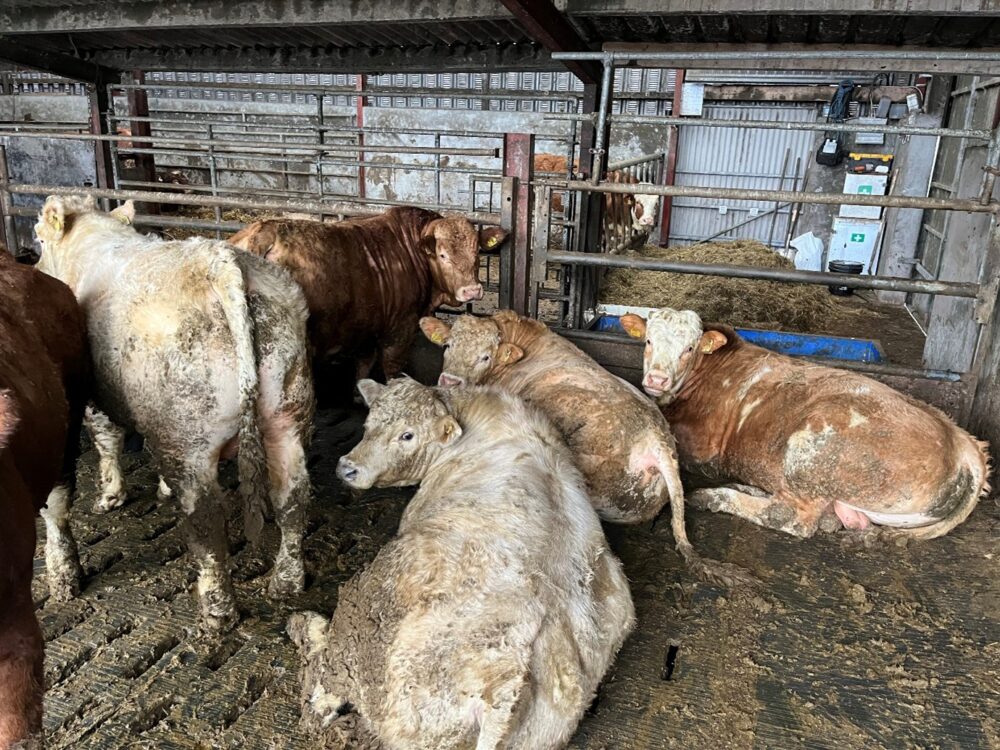
Figure 4: Finishing bulls in the slatted shed
The weanling heifers (10) were also weighed on 27th December and averaged 352kg. They gained 0.77 kg/day on average since 20th September.
Two empty R grade cows were sold to the factory on 20th January. Their average carcass weight was 448kg.