

Breeding
- Lambing is underway
- AI breeding almost finished
- Limousin bulls available to improve milk in the herd


Lambing started in mid-March with the commercial ewes and is progressing well.
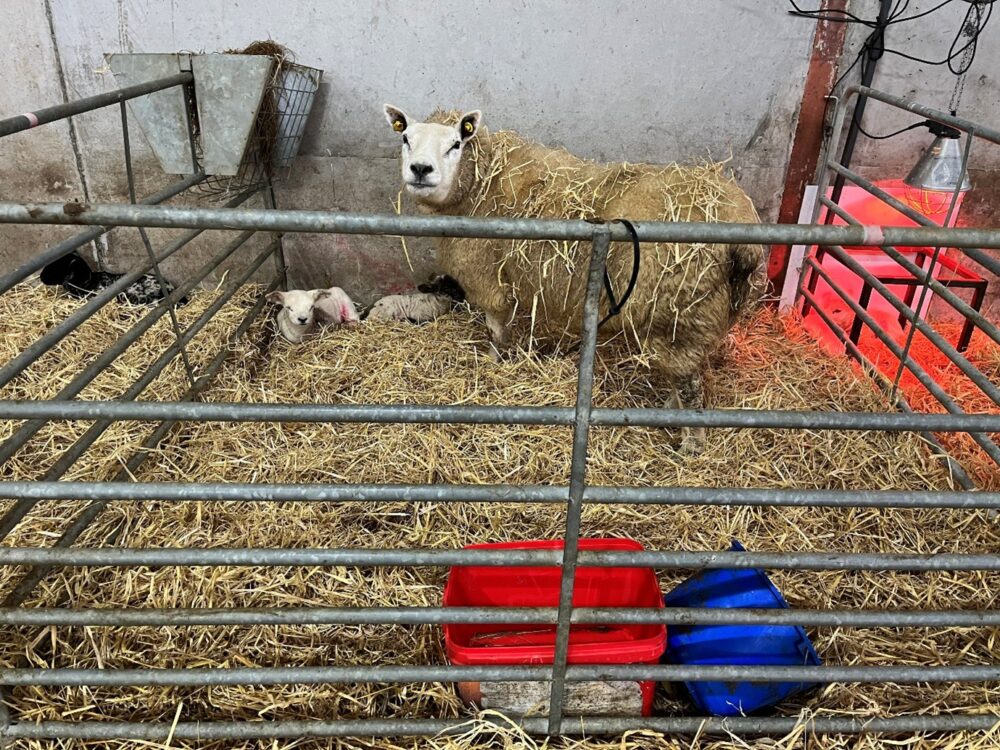
Figure 1: Ewe with two lambs in lambing pen
Breeding is almost finished for the cows and heifers that will be bred indoors. They were all AI’d and to Limousin bulls – Keltic Rembrandt (LM8259), Plumtree Fantastic (S1278), Loyal (LM4184), Tomschoice Scorpion (LM1109) and Powerful Proper (LM7416).
Seven heifers were synchronised and bred at the rented shed. They were fixed time AI’d and are due to be scanned in the next month. Two repeated and were served again.
The rest of the cows left to calve will be turned out with the Limousin stock bull on the out farm in Sligo when weather allows.
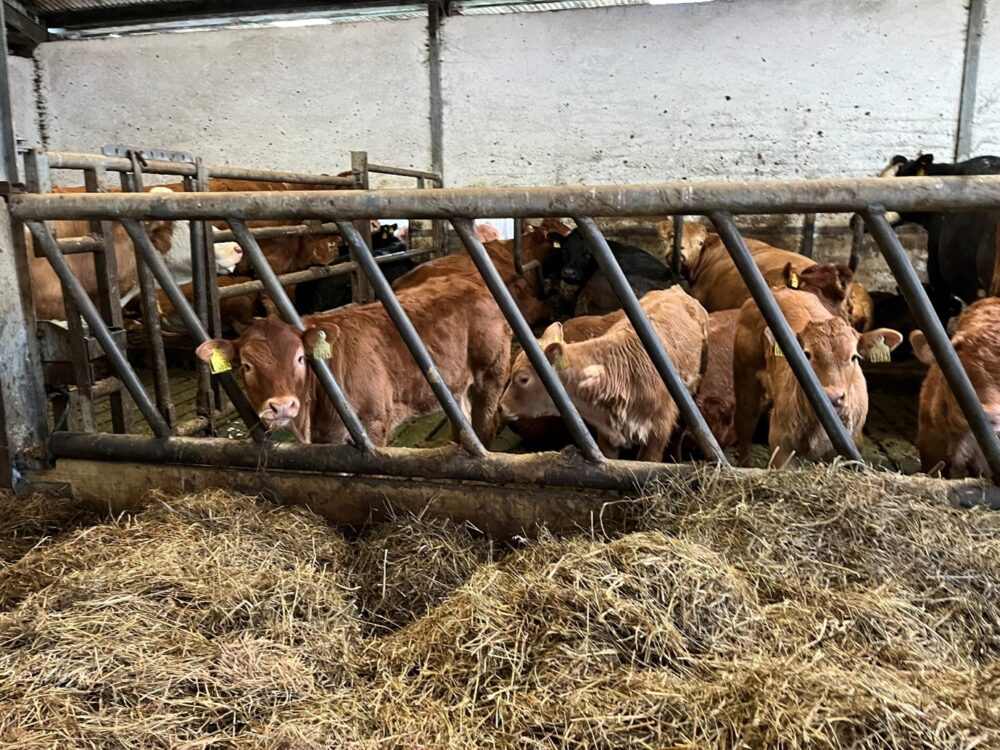
Figure 2: Some of this year’s calves with cows in the background
On analysis of the stock bulls used, daughter milk was quite low for trying to breed replacement heifers in the herd, ranging from -4.4kg to 4.4kg. LM1109 is the highest at 4.4kg, which is higher than the herd average of 3.5kg so his daughters would help to improve the milk in the herd. The daughter calving interval, which is an indication from fertility ranges from -1.75 days to +2.69 days. The cow calving difficulty is less than 5.1% on all bulls, whereas the heifer calving difficulty ranges from 7.6% to 10.7%. The carcass weight is high and ranges from 22.1kg to 35.8kg which would deliver big cows if kept for replacements. The traits are outlined in Table 1 below.
Table 1: Eurostar traits for AI bulls and stock bulls used to date (November 2025 evaluation, source: ICBF)
| Bull | Heifer calving difficulty | Cow calving difficulty | Carcass weight | Daughter milk | Daughter calving interval |
| LM8259 | 10.7% at 85% rel. | 4.8% at 98% rel. | 28.5kg | 0.9kg | 1.02 days |
| S1278 | 8.1% at 95% rel. | 3.8% at 99% rel. | 26.8kg | -4.4kg | -1.75 days |
| LM4184 | 7.6% at 99% rel. | 4.5% at 99% rel. | 22.1kg | 1.5kg | 1.32 days |
| LM1109 | 10.1% at 86% rel. | 5.1% at 90% rel. | 35.8kg | 4.4kg | 2.63 days |
| LM7416 | 7.5% at 99% rel. | 4.2% at 99% rel. | 22.7kg | -0.5kg | 2.38 days |
| Stock bull | 9.4% at 63% rel. | 5% at 72% rel. | 28.6kg | 2.7kg | 2.69 days |
If Oliver wanted to improve the daughter milk in the herd, there are proven AI bulls available that could help with this. On a search on ICBF of Limousin bulls on the active bull list with over 7kg of daughter milk there are 7 available as outlined in Table 2; Eylau (LM6601), Ampertaine Metric (LM5764), Nebbiolo (LM3713), Erebos (LM6172), Day (LM2190), Jaurel (LM8715) and Bavardage (AGB).
However the other traits of daughter calving interval and carcass weight also have to be taken into account. The carcass weight ranges from 14.5kg to 36.2kg. The average carcass weight for Oliver’s herd is already 25kg so breeding high carcass cows with high carcass bulls will produce big cows going forward. On the other side, breeding lower carcass cows to higher carcass cows will help to produce a balanced replacement at 18-20kg carcass weight, and still produce a good bull calf too. The daughter calving interval for the herd is +1.01 days and the only bull that will help improve this is LM6601 who has a daughter calving interval of 0 days. AGB has a figure of +8.1 days so he would disimprove fertility in the herd.
The key is to match the bulls to each heifer or cows and aim to breed a replacement with 18-20 kg for carcass weight, 8kg for daughter milk and a negative figure for daughter calving interval (the lower the better).
Table 2: Eurostar traits for AI bulls with daughter milk figures over 6kg (November 2025 evaluation, source: ICBF)
| Bull | Heifer calving difficulty | Cow calving difficulty | Carcass weight | Daughter milk | Daughter calving interval |
| LM6601 | 5.1% at 83% rel. | 2.3% at 93% rel. | 14.5kg | 6.9kg | 0 days |
| LM5764 | 6.5% at 83% rel. | 2.4% at 91% rel. | 23.7kg | 7.7 kg | 3.1 days |
| LM3713 | 7.9% at 83% rel. | 3.5% at 97% rel. | 30.5kg | 8.9kg | 2.6 days |
| LM6172 | 7.2% at 91% rel. | 3% at 96% rel. | 24.4kg | 8.2kg | 1.5 days |
| LM2190 | 12.8% at 69% rel. | 7.6% at 95% rel. | 26.5kg | 7.3kg | 1 day |
| LM8715 | 8.8% at 61% rel. | 4.3% at 93% rel. | 33.2kg | 6.3kg | 2.4 days |
| AGB | 9.5% at 96% rel. | 4.2% at 99% rel. | 36.2kg | 6.9kg | 8.1 days |
Oliver plans to vaccinate all his breeding cattle and sheep against bluetongue this year. It’s a viral disease affecting cattle and sheep, but it does not affect humans and poses no food safety risk.
It can be transferred 3 different ways:
The risk period is from April–November when temperatures >12–15°C allow virus replication in midges.
Symptoms include:
The highest priority for vaccination are breeding stock, i.e. cows, breeding heifers, ewes and rams. The program for cattle is: 2 doses, 3 weeks apart and immunity develops ~3 weeks after second dose. It should be done at least 6 weeks before the breeding season or risk period, and can be given to stock that are already in calf. Each shot will cost €4-4.5o per animal, albeit that sheep only require one shot for protection.
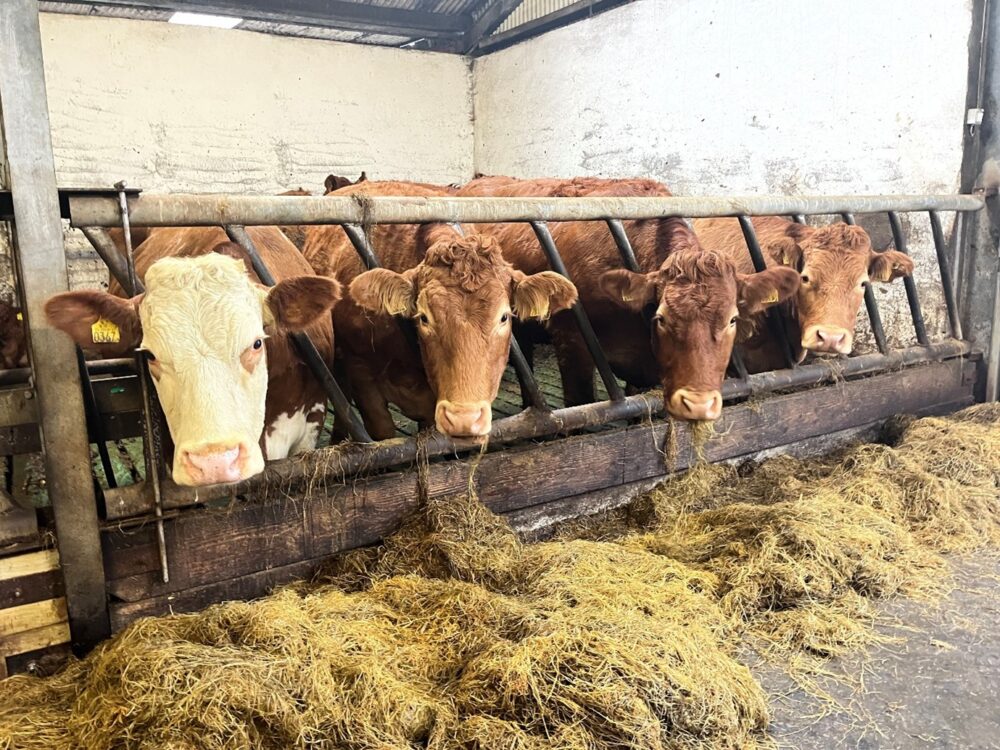
Figure 3: Breeding stock will be the highest priority for the bluetongue vaccine
Oliver updated his carbon footprint for the year in conjunction with local climate advisor, Aaron McBrien. His data was entered onto the Bord Bia sustainability survey which allowed him to generate a carbon footprint. The carbon footprint on the farm was 16.54 kg CO2e per kg of live weight gain, which is high for a beef farm. It increased from 13.86 kg CO2e per kg of live weight in 2024 – mainly due to less kg of beef produced on the farm and an increase in fertiliser usage due to extra silage made.
Actions that Oliver could take to reduce this going forward are: