
Breeding
- Calving has gone well with only 2 cows left to calve
- The breeding season is well underway
- Synchronisation programme used to reduce labour

A total of 39 calves have been born on Trevor’s farm since 23rd July. Most of the cows calved outdoors by themselves, and the heifers calved under the supervision of the calving camera. Two later calving cows are yet to calve.

Figure 1: One of the youngest autumn born suckler calves
Breeding started again on 11th October. Nine heifers and 32 cows were bred to AI bulls in the first 2 weeks as they were synchronised on various dates. Trevor has used a synchronisation programme on the farm for the last few years and finds it reduces labour for him with heat detection and helps to compact the calving spread. Three heifers and 11 cows repeated once and were served again.
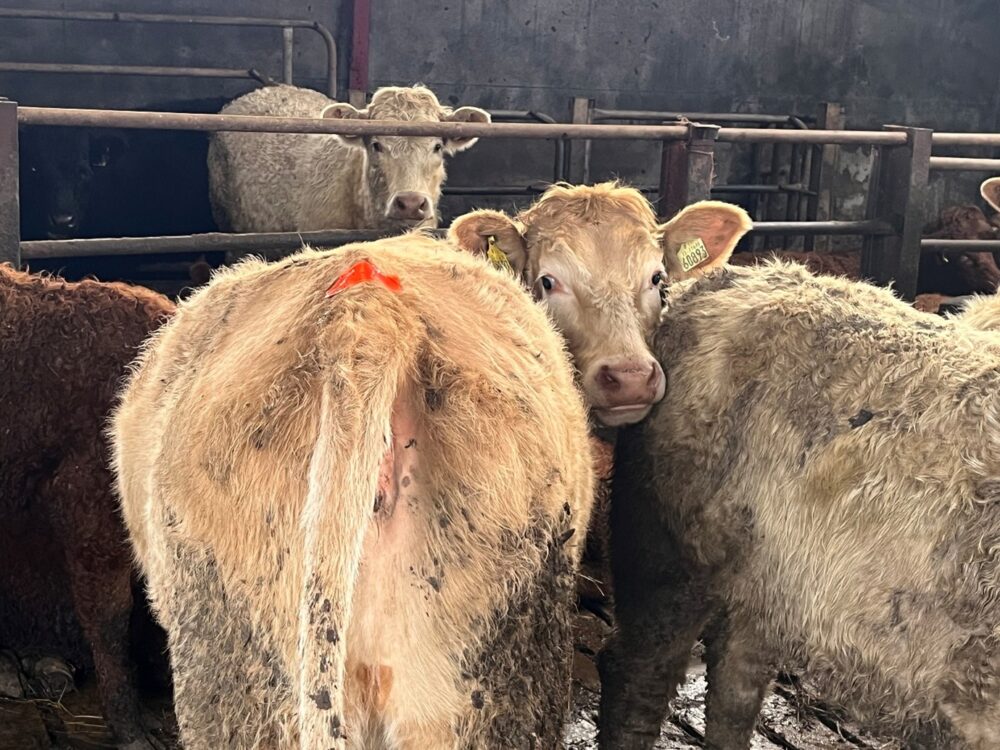
Figure 2: One of the breeding heifers with heat detection patch on her tail
Good body condition score, a steady plan of nutrition and being over 35 days calved are key essentials to achieve a good conception rate to a synchronisation programme. The target with fixed time AI is to get over 55% of cows in calf to the first serve and over 70% of the heifers. The recommended protocol is as follows;
If heat detection is not possible, all treated cows can be inseminated once at 72 hours (or as close as possible to this time), though GnRH must be administered to all cows. The fixed time AI at 72 hours means that each cow only has to be handled 3 times over 10 days as part of the programme for one serve. Repeats are also typically synchronised for approximately 3 weeks later.
Some of the AI bulls that Trevor is using this year include;
Trevor’s herd is at €150 on average for the replacement index. This is complemented by 15kg carcass weight, which he is aiming to improve, 6.5kg daughter milk, -1.9 days on daughter calving interval and 0.01 on docility.
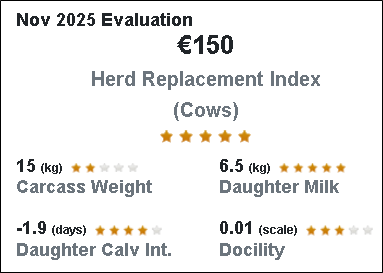
Figure 3: Average Eurostar index for Trevor’s herd from November 2025 evaluation
No major health issues have occurred. Trevor has vaccinated the autumn born calves against RSV, Pi3 and mannheimia. They are due to get their IBR vaccination this month to help prevent respiratory disease over winter.
He also plans to dose the yearlings at least 2 weeks after housing to treat them against lung worms, stomach worms and rumen fluke. He will then follow up with a triclabendazole dose which will kill any early immature liver fluke that are over 2 weeks of age. A pour on product can then be used to treat for lice and mange at housing and approx. 3 weeks later to ensure all hatched eggs are also treated. A faecal egg sample can be taken 1 month later to check that the dosing regime worked.

Figure 4: The breeding heifers are housed since 29th November
While the suckler cows should have immunity built up to liver fluke, Trevor is considering dosing them with a triclabendazole product to ensure that any they might have picked up will be killed. They have not been treated in the last few years so a faecal egg sample could be taken from them 6 weeks after housing, or the AHI Beef Health Check reports could also be examined to see if there was any evidence of fluke in the cows that were sold to the factory.

Figure 5: Suckler cows are currently housed on slats while calves have a separate lie back area on straw
Sligo suckler farmer Trevor Boland runs a 45-cow autumn-calving herd on 45ha in Bunnafedia, Co. Sligo. Bulls are sold as yearlings, while heifers are kept or sold for breeding, or finished on the farm. Trevor also buys in heifers each year for grass finishing, helping maximise output from his system.
With Irish beef prices hitting record highs in 2025, Trevor is eager to complete his 2025 profit monitor, a key tool for any suckler beef farmer aiming to improve efficiency and profitability. The profit monitor allows him to:
Trevor simply gathers his annual sales, purchases and input costs which are inputted into the Teagasc system by his advisor. The detailed reports show exactly where the farm is performing well and where changes could deliver better margins. By comparing results with other farms in the Future Beef Programme and nationwide, he can confidently target improvements.
Watch the video below where he outlines some of the key benefits and costs involved.