
Articles
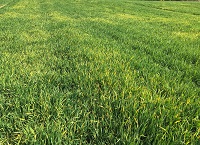
Tillage Update 28th April 2022
Tillage Update 28th April 2022 Ciaran Collins, Teagasc Tillage Specialist reports on the progress of tillage crops this week. He notes that BYDV is a concern for some winter barley growers in parts of the south. All crops are progressing well otherwise with low disease levels and Ciaran provides advice for managing […]
28 April 2022
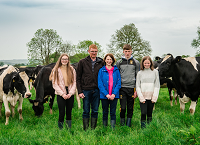
The Cullinane Monitor Farm in West Cork
The Cullinane Monitor Farm in West Cork John and Veronica Cullinane are dairy farming with their three children; Eoin, Aoife and Laura in Ballineen. Co Cork. They milk 140 cows on a milking platform of 53 hectares and farm outside blocks for replacement heifers and silage. Aoife Healy, Teagasc Dairy advisor discusses […]
27 April 2022
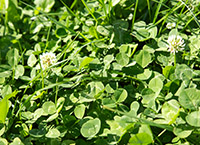
Should you consider clover in 2022?
Should you consider clover in 2022? Vincent Ronayne, Teagasc Advisor Ballinrobe, notes that Clover offers an alternative to expensive artificial fertilisers and helps towards Environmental Sustainability. Incorporating clover in grassland swards can to reduce costs, improve profitability and reduce greenhouse gas emissions. How Does It Work? Clover fixes nitrogen from the atmosphere. […]
27 April 2022
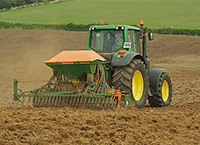
Targeting an early year reseed in Carlow
Targeting an early year reseed in Carlow Shane Cranny operates a calf-to-beef system in Myshall, Co. Carlow. After correcting soil fertility and improving grazing infrastructure, Shane began the journey of reseeding in 2021 when 12 acres were reseeded. Sean Cummins, Teagasc GreenAcres Advisor details Shane’s approach to reseeding since. Despite higher input […]
27 April 2022
Alternative Forage Crops for Winter 2022
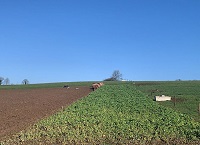
Alternative Forage Crops for Winter 2022 Many farmers will question an article about next year’s winter fodder supply while they still possibly have stock in sheds. But given the exceptional rise in input costs, it’s now time to plan for adequate winter feed. Kevin O’Hara, Education Officer, Teagasc Ballinrobe advises on alternative […]
26 April 2022
Calving date impacts on feed and forage costs
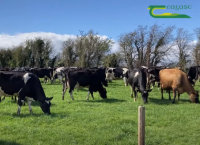
Calving date impacts on feed and forage costs In 2020 & 2021, 29% of spring-calving dairy cows calved between April and June. Teagasc’s target is that only 10% of spring calving cows should calve in April to June – and these should all calve in April, not in May and June. George […]
26 April 2022
A window into genetics
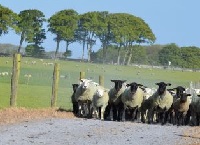
A window into genetics Teagasc highlights the impacts of its latest research in “Research impact highlights in 2020”. Sheep is one such area, as the highlight of this research in sheep genetics by Nóirín McHugh, Fiona McGovern, Nicola Fetherstone and Henry Walsh shows. Across species, more than 50% of productivity gains can […]
26 April 2022
Horticulture Crop Input Price Inflation 2022
Horticulture Crop Input Price Inflation 2022 Teagasc Horticulture Development Department have revised the figures on input price inflation first reported in November 2021, to reflect the full extent of inflation in the past twelve months up to March 31st, 2022. Download Horticulture Crop Input Price Inflation 2022 here (PDF) The key objective of […]
26 April 2022
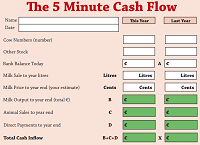
Monitoring Cash Flow in 2022
Monitoring Cash Flow in 2022 Patrick Gowing, Teagasc Dairy Specialist at Moorepark, discusses the importance of cash flow management. Patrick explains how to complete the Teagasc 5 minute cash flow worksheet in a video here. The 5 minute cash flow is easy to use and will give you a snap shot of […]
25 April 2022

Teagasc is looking for an Infrastructure Analyst to join the team
Teagasc is looking for an Infrastructure Analyst to join the team Teagasc has a vacancy for an Infrastructure Analyst (Permanent) at the Teagasc Food Research Centre in Ashtown, Dublin. Candidates must have a QQI Level 8 Qualification in Computer Science, Information Technology or other related area. Read more details here. Closing date […]
25 April 2022