
Articles
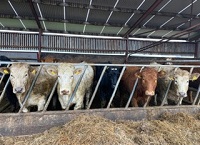
Getting Ready for Winter Housing
0 Getting Ready for Winter Housing A fine autumn has resulted in increased grass growth and good grazing conditions on farms. However, with the recent change in weather the focus has now turned to housing for the winter. Aoife Forde, Drystock Advisor, Teagasc Galway/Clare has a few key points on housing here 1. […]
2 November 2021
Feed plan for winter milk herds
0 Feed plan for winter milk herds Creating a winter feed plan that delivers the best economic return has always been well debated but never more than now given the 20% increase in concentrate costs in the last number of months. James Dunne, Dairy Specialist, Teagasc Ballyhaise has advice on feeding the freshly […]
1 November 2021
Halloween – What do you know?
Halloween – What do you know? With Halloween upon us, Teagasc Daily asks the question: What do you know about pumpkins, bats and turnips? On Oíche Shamhna (Halloween night) long before pumpkin carving, the humble turnip was traditionally carved out. And hear what Éanna Ní Lamhna has to say on bats on […]
31 October 2021
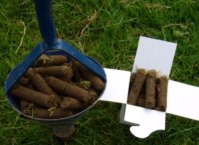
Get to Know Your Soil Fertility
Get to Know Your Soil Fertility It is well known that grass is the cheapest source of feed on our farms. It is up to 3 times cheaper than silage and up to 5 times cheaper than concentrates. Advisor Patricia Lynch gives information on the importance of soil sampling to optimise grassland […]
30 October 2021
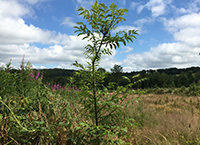
Breeding to develop Ash genotypes tolerant to dieback disease
Breeding to develop Ash genotypes tolerant to dieback disease The European common ash is one of our most important native broadleaf tree species. In Teagasc, an ash-breeding programme to develop dieback tolerant genotypes started in 2015. Dr. Dheeraj Rathore, Teagasc Forestry Researcher has more information. The European common ash (Fraxinus excelsior; Irish: […]
29 October 2021
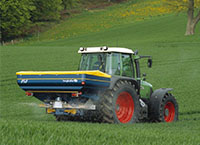
Assessing soil fertility to reduce Impacts of increasing fertiliser Costs
Assessing soil fertility to reduce Impacts of increasing fertiliser Costs In the last number of week’s fertiliser price predictions for 2022 are reaching unprecedented highs due to skyrocketing fuel and gas prices. Gas is a key ingredient in the production of all nitrogen sources. Tillage Specialist Mark Plunkett gives some advice on […]
28 October 2021
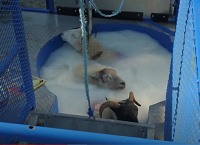
Best practice for sheep dipping
Best practice for sheep dipping Kevin O’Sullivan, Teagasc ASSAP Advisor highlights the key areas to pay attention to when using sheep dip. He also takes us through the correct procedure for disposal of spent sheep dip in order to ensure our watercourses are protected. Sheep dip is highly effective at controlling external […]
26 October 2021
-Thumbnail.png)
Forests and farming – working together to protect water quality
Forests and farming – working together to protect water quality Trees and forests offer an array of positive environmental functions. Protecting water quality is one of the most important and one that can hugely benefit farming. Noel Kennedy, Forestry Development Officer discusses how farming and forestry can benefit and improve water quality. […]
22 October 2021
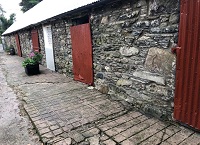
Improving The Appearance of your Farm
Improving The Appearance of your Farm At various times of the year farms are very busy places of work, and can quickly become untidy and unsafe. However, no matter how busy you are, you must be safety conscience and aim to keep your farm and farmyard neat and tidy at all times. […]
21 October 2021
Managing BYDV Risk
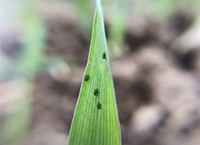
Managing BYDV Risk Planting a mix of crops, having a range of sowing dates and applying fungicides to control disease are all examples of how tillage farmers can manage risk to their income. This autumn has demonstrated how people view risk. Ciaran Collins, Teagasc Crops Specialist has advice on BYDV risk management […]
21 October 2021