
Articles
Irish Dairying – Delivering Sustainability
Irish Dairying – Delivering Sustainability Exports of Irish dairy products and ingredients have increased from an average of €1.8 billion for the years 2007-2009 to over €5.2 billion in 2020. The expansion of the Irish dairy industry has contributed greatly to improve economic prosperity in rural Ireland. Pat Dillon Moorepark tells more […]
13 September 2021
Making dairy farms a more attractive place to work
Making dairy farms a more attractive place to work Many farmers are excellent employers offering decent employment opportunities with flexible working conditions for a fair wage. Marion Beecher, Beth Dooley and Abigail Ryan have information and advice on making dairy farms a more attractive place to work Irish dairy farmers are in […]
12 September 2021
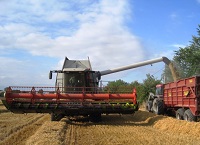
Invest wisely following bumper harvest
Invest wisely following bumper harvest Will this be classed as a bumper year for tillage farmers in years to come? Michael Hennessy, Teagasc Head of Crops takes a closer look and suggests wise options for spending the increased revenue coming through the farm gate while reducing the overall tax bill in the […]
12 September 2021
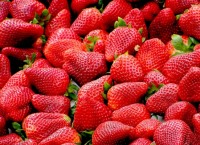
Lights Fantastic
Lights Fantastic Can we grow strawberries all year long? At least 40 hectares of heated glass in the Netherlands are now using LED lights to grow strawberries all year long. Dutch consumers are now able to buy strawberries for the lucrative Christmas market. Soft Fruit Specialist Eamonn Kehoe has more information A […]
11 September 2021
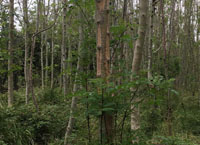
Legal requirements for felling trees with Ash Dieback
Legal requirements for felling trees with Ash Dieback Ash dieback (Hymenoscyphus fraxineus) is now widespread throughout our countryside and woodlands. It is estimated that up to 90% of ash trees will succumb to the disease. Forestry Advisor Kevin O’Connell outlines forestry owners responsibilities and the legal requirements with regard to this disease […]
10 September 2021
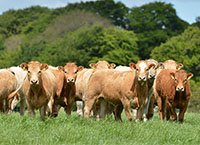
Using the Autumn Rotation Planner on beef farms
0 Using the Autumn Rotation Planner on beef farms Alan Dillon, Teagasc Beef Specialist, discusses implementing an autumn rotation plan, which can allow farmers to plan out how much grass can be utilised each week heading into the autumn, to keep priority stock out for as long as possible, while also having enough […]
9 September 2021
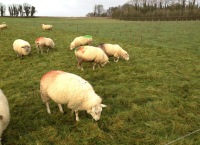
How to check the ewe is fit for breeding
0 How to check the ewe is fit for breeding Edward Egan, Drystock Advisor, Teagasc Co. Meath has compiled a fact sheet for sheep farmers on how to check the ewe is fit for breeding. Edward outlines 10 key areas that need addressing and he advises beginning the ewe check early – at […]
8 September 2021
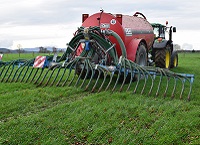
Safe Slurry Handling
0 Safe Slurry Handling In the next few weeks the last of the slurry for this year will be spread on farms by many farmers and contractors before the October 15th deadline. Francis Bligh & Tom Fallon, Teagasc have important advice on staying safe around slurry, in particular when agitating slurry and emptying […]
7 September 2021
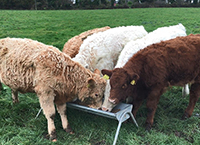
Should I feed meals to my cattle this autumn?
0 Should I feed meals to my cattle this autumn? With our temperate climate and the ease at which we can grow grass in Ireland it is no wonder that eighty percent of Irish Agricultural area is devoted to grassland. Seán Doorley, Teagasc Advisor, discusses the factors to be considered when deciding whether […]
7 September 2021
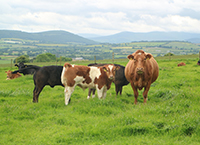
Suckler calf weaning guidelines
0 Suckler calf weaning guidelines At this time of year suckler farmers are planning on weaning calves with the majority being prepared for sale. Careful consideration should be taken by the farmer to ensure weaning doesn’t cause unnecessary stress or fall back in thrive. James Concannon, Teagasc Mayo Walsh Scholar, has a plan […]
5 September 2021