
11 June 2025
Maintaining calf performance at grass
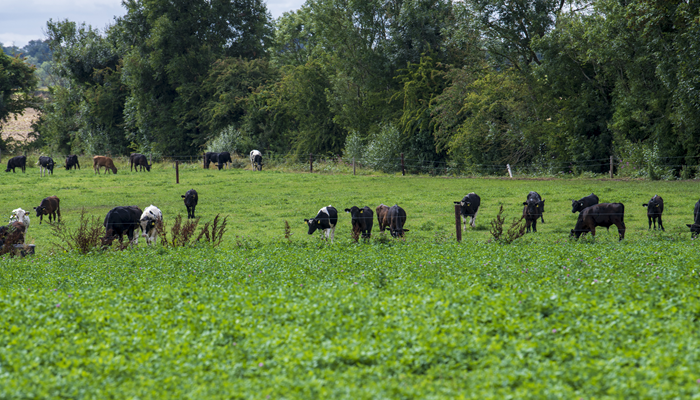
With the majority of dairy-beef calves now at grass, maximising weight gain over the coming weeks and months is key, DairyBeef 500 Advisor, Tommy Cox shares key advice.
The grazing season is progressing, and the majority of calves are at grass on farms across the country. At this stage, much of the spade work is done in terms of milk feeding and weaning. And although getting calves to grass offers nutritional and welfare benefits, it also presents new health and management challenges, therefore it is important to ensure none of the good work done earlier in the spring is undone by a breakdown in performance.
Prepare for the transition
Moving calves from a controlled indoor environment to the variability of the outdoor setting must be managed carefully. Calves should be at least 10–12 weeks old, fully weaned and in good condition before turnout. A well developed, functional rumen is critical, and this is best developed through concentrate intake pre-weaning, combined with the gradual introduction to grass.
When moving calves to grass initially, very lush covers should be avoided immediately post turnout to prevent any digestive upsets. Once calves become acclimatised to the outdoors, grass pre-grazing covers of <1,000kg DM/ha should be targeted to encourage intakes. Offering calves straw post turn-out can also be beneficial, as it will provide a source of fibre especially where grass covers are lush. Additionally, continuing to feed concentrates should help minimise any potential digestive upsets.
Monitor closely
Vigilance is key in the weeks after turnout. Observe calves daily for signs of illness – reduced appetite, scouring, coughing, nasal discharge or poor posture. Early detection is critical for effective treatment and to prevent spread within the group.
Grouping calves by size and age can help ensure even competition and make monitoring easier. Smaller or slower-growing calves may benefit from being kept in smaller groups and on meal longer or having delayed turnout to allow further development of their rumen.
Weighing calves regularly (e.g., every 4–6 weeks) provides a clear picture of growth and allows for early intervention if targets aren’t being met. Aim for average daily gains of 0.7–0.8 kg/day in the post-weaning phase.
Insights from DairyBeef 500 Farmer, JP Hammersley
DairyBeef 500 farmer, JP Hammersley from Co. Tipperary provided an update from his farm on a recent episode of the Beef Edge podcast, discussing the management of calves at grass and the plan for finishing cattle on the farm.
Listen in below:
Manage the risk of parasites
Parasite control is one of the biggest health considerations at grass. Calves are particularly vulnerable to stomach worms, lungworm (hoose) and coccidiosis in their first grazing season. A strategic dosing programme should be developed in conjunction with your vet or advisor. Monitor for signs such as coughing, poor thrive or scouring.
Faecal egg counts (FECs) are a useful tool to assess worm burden and help avoid unnecessary or mistimed treatments. Good grazing management can help reduce exposure. Aim to graze younger calves on ‘clean’ pasture – fields not grazed by young stock in the previous year. Rotational grazing, if practiced, can also reduce parasite challenge.
In the below video, Tommy Cox reinforces the importance of effective parasite control programmes in dairy-beef systems:
Where treatment is required, the administration of anthelmintic doses is the best way to control parasites. There are currently three classes of anthelmintic licensed for the control of stomach worms in cattle benzimidazole (white), levamisole (yellow) and macrocyclic lactone (clear). These products have been highly effective in controlling worm infection in cattle. However, recent studies carried out by Teagasc showed resistance to all three classes of product.
When implementing a dosing strategy, it is good practice to alternate between the different classes of drug to minimise the risk of a potential resistance build up on farm. Taking a dung sample a few weeks after treatment is good practice to ensure the product used gave an effective treatment.
More from Teagasc Daily: Finishing cattle off grass – the factors to consider
More from Teagasc Daily: Dairy calf to beef systems: What are the top performers doing?
For more tips and advice, visit the Teagasc DairyBeef 500 webpage here.