
26 May 2025
Achieving good silage preservation
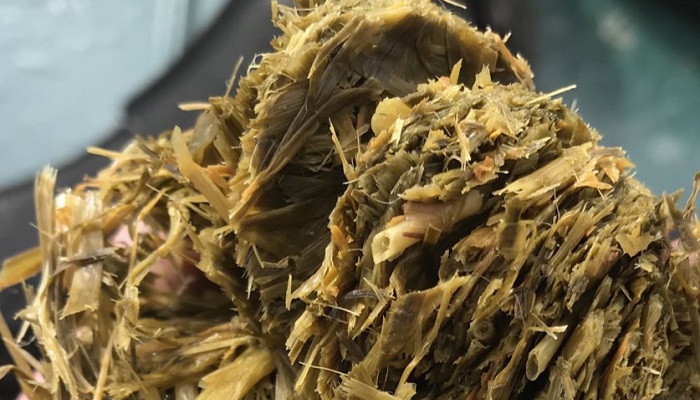
Eamonn Dempsey, Teagasc Advisor, shares his advice for achieving good silage preservation.
To produce high yields of grass for silage, use swards that are dominated by perennial ryegrass, as they contain more sugars than other grasses. Ensure the phosphorus (P), potassium (K), and pH status of the soil is adequate, and apply the recommended rate of fertiliser. A useful guide for fertiliser nitrogen is that growing grass uses up to 2 units of nitrogen per day on average. Therefore, fertiliser should be applied approximately 50 days before the planned cutting date.
The crop may be harvested sooner depending on nitrates and sugar levels. It is advisable to get a grass ensilability test done rather than delaying the cutting date solely based on the 2-unit rule. Grass growth stage at harvest is the most important factor in deciding silage quality. Once seed heads appear, digestibility (DMD) will be around 70%. DMD will drop by 1 unit every two or three days after that. Aim to cut in mid to late May before seed heads appear, rather than mid-June.
Ideally, sugars should be at 3% or greater to allow good preservation of the crop. If sugars are low, the crop may need wilting for 24 hours. Crops should be cut for wilting after the dew has dried off, as dew dries faster from a standing crop. Mow in the evening when sugars are highest if possible. Tedding out the grass for 24 hours increases dry matter, which is very beneficial for good preservation. If crops are lighter in good drying conditions, over-wilting should be avoided.
Grass sugars are converted to acid during the anaerobic fermentation process. This acid preserves the feed value of the crop in the pit. High buffering capacity makes it more difficult to ensile grass and is related to high nitrate levels in the crop. However, if sugar levels are 3% or greater, high nitrate levels will not prevent proper fermentation.
Air-free conditions are the single most important requirement for good preservation. Fill silage pits quickly and seal them perfectly. A chop length of 1.0 to 1.2 cm promotes good compaction. Cover with two polythene sheets (0.125mm), edge-to-edge tyres, and use vertical sheets along silo walls. Check the pit a few days after covering to ensure the seal remains intact and is free from bird damage.
High-quality silage can often be made without additives. If sugar levels are 3% or greater, no additive is required. If sugar levels are between 2–3% and the grass is wilted above 28% dry matter, no additive is needed. However, if wilting is not an option due to poor weather, along with high nitrate levels, an additive may be required. Additives include: molasses (to increase fermentable sugars), acid (to accelerate pH drop), absorbents (to retain effluent and increase sugars), and inoculants (to increase favourable lactic acid bacteria).
To determine if the silage fermented well or poorly, a silage analysis should be taken later, focusing on energy, digestibility, protein, pH, ash content, and dry matter percentage. This analysis helps you understand why your silage is palatable or not, allowing for improvements in future silage quality.
The silage season is a challenging time for both farmers and agri-contractors to get quality silage conserved for the winter ahead. It is important to prepare a Silage Safety Plan and prioritise safety at all times.
More from Teagasc Daily: Make safety a priority this silage season