
28 April 2025
Identifying and dealing with problem cows
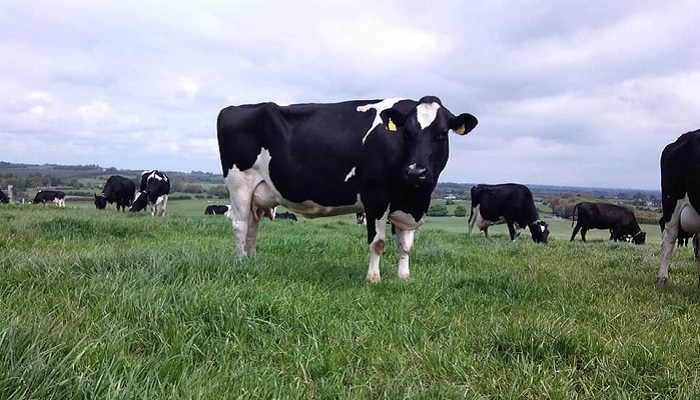
On every farm, a proportion of cows will not display behavioural heat (anoestrus) at the start of the breeding period. Here are some tips on identifying these cows and putting in corrective measures on farm to address with the problem.
The return to normal cyclic ovarian activity usually occurs by 30 to 35 days after giving birth. The first heat is often silent, and the first cycle after this heat is usually short (8-12 days). This means that most cows should have displayed behavioural heat by 38-47 days post-calving or earlier.
Failure to show signs of heat by 60 days after calving is called postpartum anoestrus. This can be due to either true anoestrus or suboestrus.
- Suboestrus is when cows have normal cyclic ovarian activity, but are not detected in heat due to weak or silent heats, or due to inadequate observation.
- True anoestrus is when cows have inactive ovaries.
How to troubleshoot breeding problems
- Genetic, management and husbandry factors can contribute to poor cow fertility. Some key areas are outlined below:
- Examine the genetic merit of the herd. What is the herd average EBI and the average fertility sub-index? This can be easily assessed using ICBF reports.
- Examine body condition score (BCS). The target herd average BCS at MSD is 2.9. If the cows that have not been seen cycling have low BCS, improve their energy status by increasing grass allowance and/or concentrate supplementation. Alternatively, consider reducing milking frequency to once a day for cows below target BCS.
- Is the diet properly balanced for energy, protein and minerals? Are grazing conditions adequate to allow the necessary grass intake?
- What is the health status of the herd? Were there problems with calving difficulty, retained membranes, metritis? If so, examine the cows that had problems and treat as necessary.
- Are there infectious disease problems on the farm (BVD, IBR, leptospirosis, salmonella, neospora, mycoplasma, etc.)? Find out the disease status of your herd. Any necessary vaccinations should be carried out well in advance of the breeding season according to the manufacturer’s guidelines. Use strict biosecurity to minimise risk of introducing disease.
- Is mastitis or lameness a problem? These can have a negative effect on fertility.
How to solve weak/silent heats
Dealing with weak/silent heats should include: improving heat detection technique, and ensuring that observation periods are long enough (30 minutes) and frequent enough (3–4 times per day). Resumption of ovarian cyclicity after calving is influenced by nutritional status, BCS, milk yield, calving difficulty, uterine infection, breed, age, and concurrent disease.
How to solve non-cycling cows
First examine nutritional status and body condition score. Cows have a much better chance of resuming normal ovarian cycles at BCS 2.75 or greater and on a rising plane of nutrition. Body condition score can be improved by increasing pasture allowance, increasing concentrate feeding, and/or reducing the energy output in milk by restricting non-cycling cows to once a day milking until they have been bred or confirmed pregnant.
Synchronise non-cycling cows using hormones
Hormone treatments can be used to stimulate resumption of cyclicity, and are most effective if combined with increased energy intake.
For more information on synchronisation programmes, visit here.
The above was adapted for use on Teagasc Daily from the Dairy Cow Reproduction Chapter, edited by Dr. Stephen Butler, from the Teagasc Dairy Manual.