
27 January 2024
Avoid feeding waste milk to calves
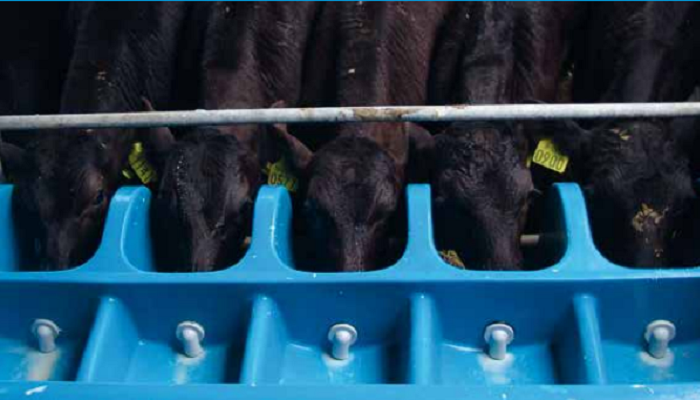
Waste milk is milk from cows treated with antibiotics and those with high somatic cell counts. The practice of feeding this waste milk, containing antibiotic residues to pre-weaned calves is not recommended.
It has been associated with increased risk of diseases such as diarrhoea and leads to the emergence of antibiotic resistant bacteria. This resistance is concerning because many of the antibiotics used in animals are also required in human medicine.
More worryingly, there is survey evidence showing that 50% of Irish dairy farmers still feed this non-saleable milk to their calves. Other studies have also shown that feeding milk containing low levels of antibiotics can interfere with the bacteria in the calf’s gastrointestinal tract, potentially impairing the development of a healthy digestive system.
Study
In 2022, a study on 87 calves was undertaken at Teagasc Moorepark to investigate the long-term effects (from birth to 17 weeks of age) of feeding milk containing very low concentrations of antibiotics.
The antibiotics included in the milk were Neomycin and Amoxicillin; the amount of antibiotics delivered was equivalent to waste milk from a cow on the second day of her withdrawal post intramammary antibiotic administration.
The study was made up of three experimental treatments: calves fed milk replacer containing the antibiotics from three days of age until completion of weaning at 12 weeks of age (long-term treatment – LONG); calves fed milk replacer containing the antibiotics from 3-5 weeks of age (short-term treatment – SHORT); and calves fed milk replacer free from antibiotic residues (control group – CONT). Throughout the duration of the experiment the calves were health scored, blood sampled, and faecal samples were collected in addition to environmental swabs of the calves’ pens, feeding equipment, and the gloves and boots of farm staff feeding the calves.
Results
A greater number of resistant bacteria were isolated from the faecal samples of calves from the LONG and SHORT treatments compared to the CONT. Calves in both the LONG and SHORT treatment groups were more likely to have higher faecal scores (a looser faecal matter consistency, and more faeces present under tail and on hocks) at 9-12 weeks of age (while weaning off milk) than they were at 13-17 weeks of age (post weaning).
In contrast, no change was seen in the CONT’s faecal scores between these two time periods. Additionally, the CONT’s faecal scores were generally lower than both the LONG and SHORT treatments from 9-12 weeks of age.
The higher faecal scores of calves in the LONG and SHORT treatments, compared to the CONT, during the weaning period from weeks 9-12 when milk volume was being reduced in the diet may be indicative of poorer digestive health in the LONG and SHORT treatments when calves were adapting from a milk based to a forage and concentrate based diet.
Further laboratory analysis of the bacterial composition of the faecal matter collected and the blood samples taken is ongoing. Once completed, this data will reveal the variety of bacteria present in the digestive tracts of the calves, and the activity of the calves’ immune cells during the pre-weaning period. This will allow for further insight into the calves’ health status during the experiment.
Conclusions
The feeding of waste milk is still common on Irish dairy farms but should be avoided as it is known to contribute to the emergence of antibiotic resistant bacteria, which poses risks to human and animal health.
This research by Anna Flynn, Marie McFadden, John Paul Murphy, Des Lane and Emer Kennedy was presented as part of Moorepark 2023. The authors wished to acknowledge that this research is funded by Science Foundation Ireland and the Department of Agriculture, Food and Marine through the VistaMilk Research Centre.