
17 January 2024
Calf rearing: Don’t forget water
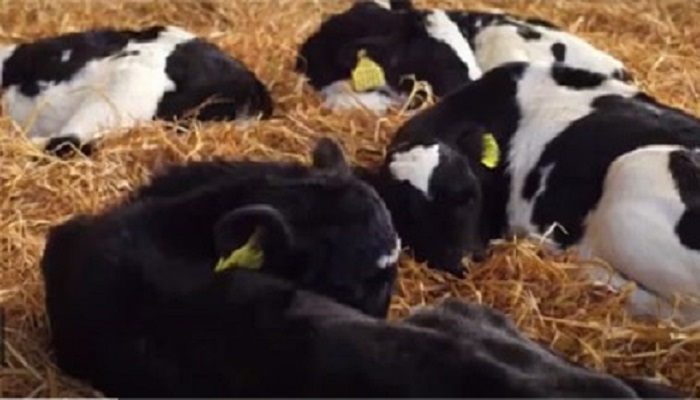
Along with milk, concentrates and forage, water plays an important role in the early life nutrition of calves when it comes to the development of the rumen.
When first born, all ruminants are monogastric and so depend on milk diets – be that in the form of whole milk or milk replacer, after the initial feeds of colostrum and transition milk – to ensure survival and growth. However, with age and the appropriate diet, the calf’s rumen – the engine which drives production from the grass-based diet of Irish dairy cows – begins to develop.
Critical to the development of this stomach chamber is the appropriate management of calves during the rearing period, particularly the offering of water and concentrates. The presence of both within the calf shed is down to the farmer, the calf does the rest.
Water and starter ration supplementation go hand-in-hand. The development of the rumen is dependent on the bacterial fermentation of the starter concentrate consumed by the calf; and this fermentation is dependent on the presence of water within the rumen.
Regardless of your milk feeding system, calves need free access to clean, fresh drinking water and they require 4-5L of water for every 1kg of concentrate fed. Given this, and before calving gets into full swing, it’s advisable to check all water drinkers within your calf shed to ensure they are in reach of calves and are working properly.
During the above mentioned process of fermentation, butyric acid is produced. Its presence changes the surface of the rumen, taking it from a smooth, pink surface to an organ covered in finger-like projections (papillae). This growth increases the surface area of the rumen, something critical in the absorption of nutrients as the calf grows and into later life.
The Teagasc guideline on calf weaning is that it should only occur when a healthy calf is consuming at least 1kg/head/day of concentrate. During the period up to this point, the calf’s rumen is developing these papillae and once reached, the calf’s rumen is sufficiently developed to allow for the absorption of nutrients from concentrate and forage, before being transitioned to a grass-based diet. To reach this concentrate input target, calves should have access to a palatable calf starter from day two to five. During this initial period, the calves will generally only nuzzle and taste the ration, but from day six it can be offered on an ad-lib basis.
Another key point to consider is the role water plays when calves are offered milk replacer of a concentration of 15-20% or for calves on accelerated growth programmes.
This point is being discussed as part of the Teagasc / Animal Health Ireland (AHI) CalfCare events which are ongoing nationally. At the events, farmers are hearing that fresh water allows the calf to regulate to some extent their osmotic balance. High total milk solids in milk or milk replacer can alter the osmotic balance in the calf, such that water is pulled out of cells, which can result in diarrhoea and dehydration. Providing fresh water allows calves to self-regulate the osmotic balance, lessening the potential for dehydration.
For more tips on calf rearing, find the nearest Teagasc/AHI CalfCare event to your farm here.
Also read: Last-minute adjustments to your calf shed
Also read: 10 tips for trouble-free calving
Also read: Risk to colostrum quality from poor-quality nutrition pre-calving