
02 November 2022
Ensuring performance on DairyBeef 500 farms
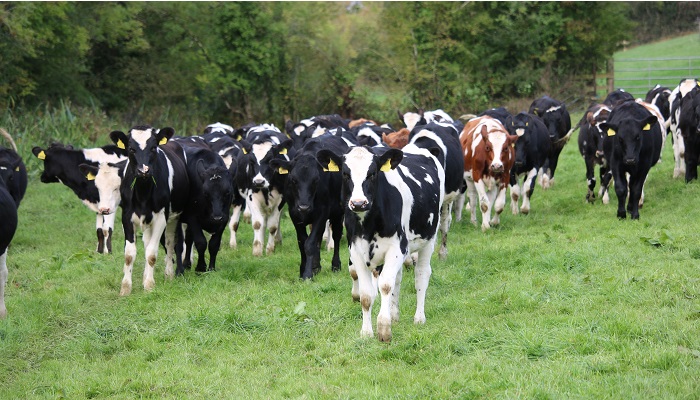
With the clock having gone back and the heavy rainfall over the past few weeks the winter is well and truly in on the majority of farms throughout the country. Tommy Cox, Teagasc DairyBeef 500 Advisor, tells us attention turns to the housing period and ensuring animal performance.
Maintaining winter performance
Rising input costs over the past 12 months means farmers will feel the pinch this winter. DairyBeef 500 farmers are aware they cannot afford to cut corners over this period and that achieving an adequate level of weight gain over the course of winter months is crucial. This will ensure the good results achieved over the summer months is not undone.
The target over winter months is at least 0.6 kg/day for steer and heifer weanlings and 0.9 kg/day for finishing heifers and over a kilo a day for steers. These weight gains are being achieved consistently on farm. Below are some of the main areas for farmers to focus on to ensure performance is maintained.
Silage Analysis
Nationally, silage quality of around 65% dry matter digestibility (DMD) has been the norm on many farms. This silage is only capable of supporting a daily live weight of 0.3-0.4kg/day for stock without the inclusion of meal.
Completing silage analysis is critical to ensure that the nutritional requirements of stock are met and that the desired level of performance is achieved over the winter. Visual assessment alone is not adequate to determine silage quality.
A laboratory test will provide accurate information on silage nutritive value and preservation and allow informed concentrate feeding decisions to be made.
| Table 1: Guideline daily feeding rates based on silage quality (DMD) | |||||||
| Animal type | Target ADG | 66 DMD | 68 DMD | 70 DMD | 72 DMD | 74 DMD | 76 DMD |
| Weanling | 0.6kg/day | 1.8kg | 1.5kg | 1.2kg | 0.9kg | 0.6kg | 0.4kg |
| Finishing steer | 1kg/day | 7.0kg | 6.0kg | 5.5kg | 5.0kg | 4.0kg | 4.0kg |
| Finishing heifer | 0.9kg/day | 7.0kg | 6.0kg | 5.5kg | 5.0kg | 4.0kg | 4.0kg |
Silage sampling
Silage samples must be taken carefully to ensure correct results. A period of 5-6 weeks should elapse between ensiling and sampling. A long core sampler should be used with 3-5 cores taken from well-spaced points on or between diagonals on the pit surface. Alternatively sample an open pit by taking nine grab samples in a ‘W’ pattern across the pit face.
When testing bales, a number of samples from each batch are needed to get a representative sample.
Lying and feeding space
Adequate lying and feeding space is important to ensure animal performance over the winter months. Animals should be housed with comrades of similar size and weigh to avoid bullying in the pen and at feeding.
Table 2 and 3 look at the ideal lying and feed space required for the different groups of stock housed in slatted accommodation over the winter.
| Table 2: Lying space allowances (m²/animal) | |
| Animal type | Space allowance |
| Suckler cows | 2.5-3.0 |
| Animals greater than275kg | 2.0-2.5 |
| Animal less than 275kg | 1.2-1.5 |
| Table 3: Recommended feed space allowances (mm/head) | |||
| Feedstuff | Finishing cattle | Light store cattle | Weanlings |
| Ad-lib roughage | 400-500 | 250-300 | 225-300 |
| Restricted roughage | 600-650 | 500-600 | 400-500 |
| Concentrates | 600-650 | 500-600 | 400-500 |
Water
Access to clean, fresh, drinking water is every bit as important as good quality silage or any dosing programme. Cattle have a huge need for water while housed.
Water troughs should be checked daily and if there is any sign of any soiling with either animal waste or feed they are cleaned immediately. Where high levels of meal are been fed larger water troughs are a better option as opposed to bowl drinkers as demand for water increases with meal feeding.
Parasite Control
It is important that stock are free from parasites to prevent any impact in performance. About two week’s pre housing treatment for lung worm is recommended to ensure they are clean of any burden before housing.
Post housing treatments for fluke, stomach worms should be administered to all stock about a month after housing and about six week after treatment, faecal samples are recommended to check the efficacy of the products used. For external parasites clipping animal’s backs and using a pour-on treatment as required.
Teagasc Beef Specialists issue an article on a topic of interest to suckler & cattle farmers every Wednesday here on Teagasc Daily