
28 February 2022
Getting the most out of automatic calf feeding this Spring
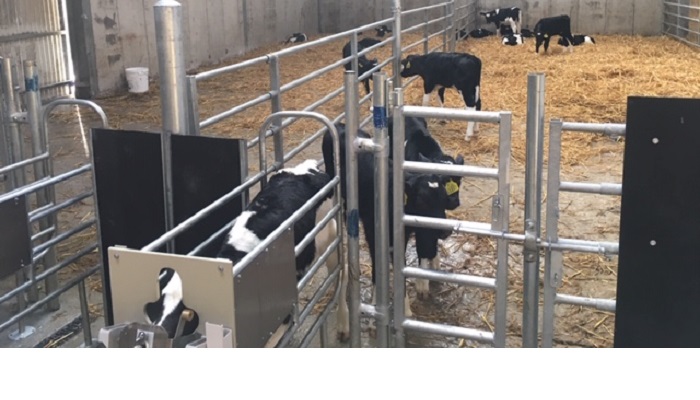
Calf rearing accounts for a large amount of the total workload on farms in spring. Some farmers have purchased an automatic calf feeder to reduce workload. Dairy Specialist Martina Gormley gives advice on best practice when using these feeders.
Automatic calf feeding is labour efficient
A recent study in Teagasc Moorepark has found that automatic calf feeding is more labour efficient than twice a day manual feeding. The research shows that there is a saving of over 1 minute per calf per day when compared to indoor twice a day manual feeding.
To ensure this technology delivers this labour saving a number of criteria must be followed on a day to day and annual bases:
- Monitor calf health on a daily bases
- Wash down the front of the feeding unit daily
- Check detergent supply regularly
- Clean the inside of the teeth regularly
- Replace the teeth when required
- Avoid mixing detergents
- Avoid using detergents from the previous year
- Re calibrate the machine throughout the rearing period
- Contact the machine manufacturer if changing milk replacer brand to recalibrate the machine
- Service the machine annually
Automatic calf feeders will not compensate for poor housing. Ventilation, dry bedding and sufficient space are fundamental regardless of the method of milk feeding. Colostrum quality, quantity and timing are also fundamental for calf health.
Get more information on calf rearing here
The Teagasc Dairy Specialists issue an article on a topic of interest to dairy farmers every Monday here on Teagasc Daily.