
17 September 2021
Calf housing on commercial farms in Ireland
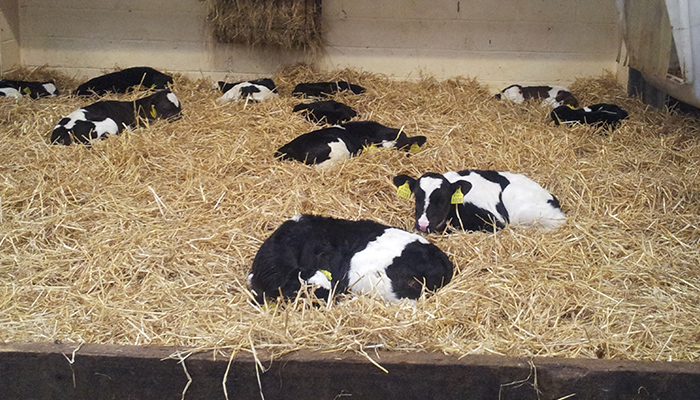
Dairy expansion with increased herd sizes, results in more calves being born on Irish dairy farms. Fit for purpose calf rearing facilities with appropriate ventilation and space allowance are linked to improved calf health and welfare. Alison Sinnott & Emer Kennedy, Teagasc Moorepark researched this
Calf housing and welfare study
A Teagasc Moorepark study was conducted in 2020 to investigate calf housing and welfare on 19 commercial Irish dairy farms. This study aimed to provide information regarding the current calf housing in Ireland and identify areas for improvement in terms of calf welfare. To ensure farms on the study reflected current Irish dairy systems, a number of criteria were used to select the farms:
• minimum herd size of 78 cows
• calve >90% of their herd in spring (Feb–April)
• subscribe to HerdPlus
• member of an active discussion group.
Each farm was visited twice. The first visit was conducted pre-calving (December–January) with the principle calf rearer and involved a comprehensive questionnaire regarding calf housing and management practices, and a facility evaluation with no calves present. The second coincided with peak calving for each farm (January–March) and involved a short interview with the calf rearer, environmental-based measurements of each calf house with calves present and area measurements of each pen to assess the conditions in which calves were accommodated.
Results
The average space allowance per calf among farms surveyed was 2.6 m2 which was greater than the legal minimum space allowance of 1.5 m2 per calf. Twenty percent of calf sheds surveyed provided less than 1.7 m2 per calf; allowances greater than 1.7 m2 per calf are strongly encouraged due to the association of disease transmission with high stocking densities. Of the sheds surveyed, 68% were purpose built, with 79% of farms having at least one shed build for the purpose of calf rearing. Over 68% of farms have made modifications to their sheds to improve their suitability for calves (i.e. ventilation, drainage, pen design) and a further 11% plan to make such modifications in the near future.
One third of farms housed calves in shared air space with older stock and had calves in groups greater than 12. To reduce the risk of development of disease, calves should be separated from older stock and housed in groups of 12 or less calves, where possible (Animal Health Ireland: Design of New Calf Accommodation). In line with guidelines to remove sick calves from a healthy group pen, the large majority of farmers remove sick calves from group pens (21% using individual pens; 52% using group isolation pens).
A maximum wind speed of 0.5 m/second is recommended to ensure air flow through a shed while minimising the risk of calves losing excessive body heat due to draughts. However, one third of sheds had an air flow greater than this. At least 50 LUX of light (natural and artificial) must be provided for eight hours of the day, although 38% of sheds surveyed did not provide sufficient levels of light to achieve this, it is a relatively straight forward issue to rectify on-farm.
A minimum floor slope of 1:20 is recommended for hygiene and drainage purposes, however less than 10% of calf pens meet this specification. With that being said, 63% of farms clean out and re-bed pens at least once per week, which may aid with the shortfall in appropriate drainage facilities.
Conclusions
The majority of calf sheds surveyed were purpose built for calf rearing, with 79% of farms making/planning modifications to ensure shed suitability for calf rearing. Many farms had issues with draughts and floor slopes within shed structures, which can have a knock on effect on calf health. However, the majority of farms in the study provided sufficient space allowance and demonstrated good management practices (such as the frequent cleaning of pens). Although lighting was insufficient on many farms, modifications to the shed can easily rectify this issue.
If you liked this article you can read more like it in the Moorepark Open Day Booklet 2021 – Irish Dairying – Delivering Sustainability (PDF)
Learn more about the research work carried out in Teagasc Moorepark here