
30 April 2025
Avoiding unnecessary worm treatments – a Kildare dairy-beef producer’s approach
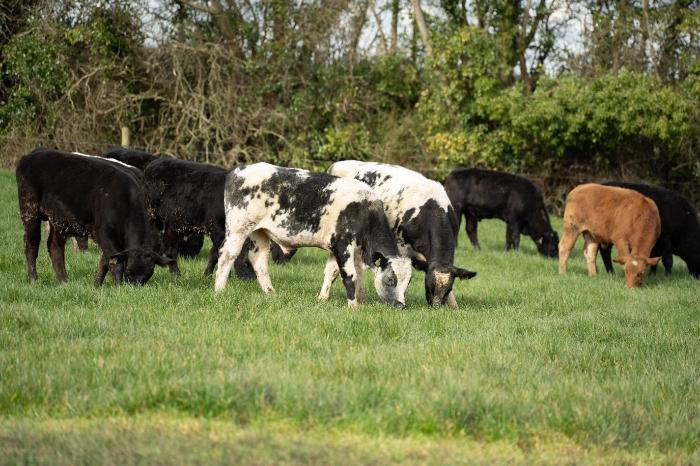
As worm control is a major concern in grass-based dairy calf to beef systems, DairyBeef 500 Advisor, Fergal Maguire sheds light on how a more targeted approach to worm control is working for Peter and Simon Byrne, DairyBeef 500 participants from Co. Kildare.
Peter and Simon Byrne run a 70ha dairy calf to beef system, alongside a tillage enterprise, near Castledermot, Co. Kildare. Each year, they purchase 170 three-week-old calves – 70% in spring and the remaining 30% in autumn. Since joining the Teagasc DairyBeef 500 Programme, the Byrnes have taken a more targeted approach to managing worms – and the results speak for themselves.
“Before joining the programme, we’d routinely treat calves for worms with an ivermectin-based product three weeks after turnout and continue dosing every five weeks regardless of symptoms,” Peter explained. “Yearlings would get at least two treatments during the summer, depending on the weather.”
Now, Peter relies on faecal egg counts (FECs) to guide his dosing strategy. From the end of May, he collects regular dung samples from different groups of stock to monitor worm burdens.
“I hold off on dosing until egg counts go over 200 eggs per gram. Last year, I didn’t dose calves until the first week in June and yearlings didn’t get their first dose until July.”
Despite the later dosing, calf performance remained strong, with Peter noting: “They averaged 0.8kg daily liveweight gain through the summer. We had no setbacks, it shows that with monitoring, you can avoid unnecessary treatments and still keep animals thriving.”
Peter also monitors closely for signs of lungworm, such as coughing, adding: “Once I see the first signs, I treat immediately”.
To reduce the risk of resistance developing on the farm, he rotates between the three main wormer classes: benzimidazoles, levamisole and macrocyclic lactones. “I try not to use the same product group back-to-back,” Peter clarified.
Accurate dosing is another key part of his strategy.
“We regularly weigh animals and dose according to the heaviest in the group. If there’s a big weight difference, we’ll split the group in two and treat accordingly.”
Worm control is a major concern in grass-based dairy calf to beef systems. Calves are particularly vulnerable to stomach worms, which can lead to reduced growth, even without visible symptoms. In severe cases, they can develop parasitic gastroenteritis, with symptoms such as diarrhoea, weight loss and reduced appetite.
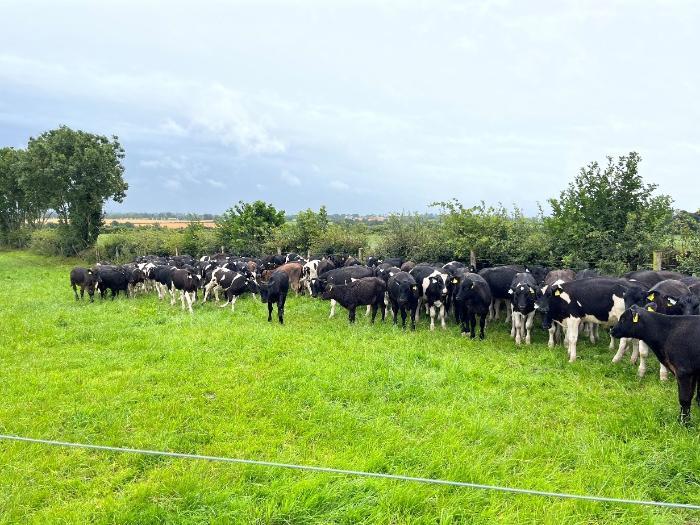
Most control programmes rely on anthelmintic treatments, but overuse can lead to resistance. A Teagasc study on dairy calf to beef farms found ivermectin resistance on 100% of farms tested, with high levels of resistance also seen for moxidectin (71%) and benzimidazole (60%). So it is important that the products we use remain effective against worms.
Best practice for dosing
To manage worm burdens while preserving drug efficacy, farmers are advised to:
Do:
- Monitor clinical signs and dose only when necessary.
- Use faecal egg counts (FECs) alongside performance data to inform dosing decisions.
- Weigh animals and dose according to the heaviest in the group to avoid underdosing.
- Split groups if weight variation is large.
- Rotate between wormer classes when possible.
- Treat for lungworm at the first sign of coughing.
- Conduct drench tests to assess on-farm resistance (consult your vet or advisor).
Don’t:
- Avoid combination products unless treating both fluke and worms.
- Don’t dose and move to clean pasture—return animals to contaminated pasture post-treatment to help dilute resistant worm populations.
- Don’t dose based on calendar intervals alone.
Fergal Maguire is an advisor on the Teagasc DairyBeef 500 Campaign.
More from Teagasc Daily: Successfully turning dairy-beef calves to grass
More from Teagasc Daily: How to build the best dairy calf to beef system for your farm