
18 March 2025
The common causes of scour and when do they occur
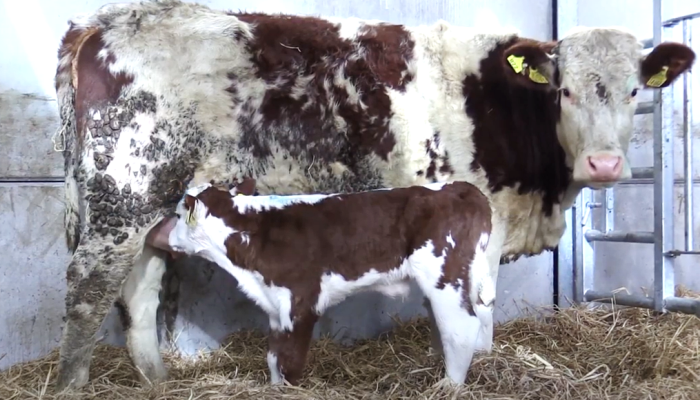
Scour represents a significant health challenge to suckler calves. Caused by a wide array of bugs or viruses, understanding when the disease is likely to occur can aid in identifying the cause, Future Beef Programme Manager, Martina Harrington tells us more.
At a national level, scour poses a significant health challenge and is the leading cause of death in suckler calves under one month of age. Data collated from post-mortems undertaken at Regional Veterinary Laboratories (RVLs) confirms this, with scour and gut infections being responsible for 32% of the mortality presented in calves under one month.
Serving as a guide only, the below table shares the most common causes of scour and when they typically occur at farm level. As with all on-farm diseases, but particularly in the case of scour where common clinical signs are shared between the causative pathogens, engaging with your vet is critical. This is essential to confirm the cause, to allow for the most appropriate vaccination/treatment option to be found and to ensure the correct management procedures are implemented at farm level to prevent a reoccurrence in subsequent calving seasons.
Table 1: Typical onset, causes and symptoms of scour
| Pathogen |
Typical age at onset (Days) |
Cause | Symptoms |
|---|---|---|---|
| E. coli | 1-5 | Bacteria |
|
| Rotavirus | 5-14 | Viral infection |
|
| Coronavirus | 7-21 | Viral infection |
|
| Cryptosporidiosis | 7-28 | Parasite |
|
| Salmonella | Any age, usually after 14 days | Bacteria |
|
| Coccidiosis | 21 days + | Parasite |
|
For more detailed information on scour, the Future Beef team have prepared a technical update which features key advice on prevention, treatment and general advice for minimising the impact of scour. Access the Future Beef’s technical note on ‘Preventing Scour in New Born Calves’ here.
Upcoming webinars
The Future Beef team is hosting a series of webinars this March and April, which will focus on a farmers’ guide to suckler breeding, covering topics such as pre-breeding essentials, breeding the ideal cow, and the latest technologies and how to use them properly.
Find out more about the webinar series here.