
21 February 2025
Using the calving jack – slow and steady wins the race
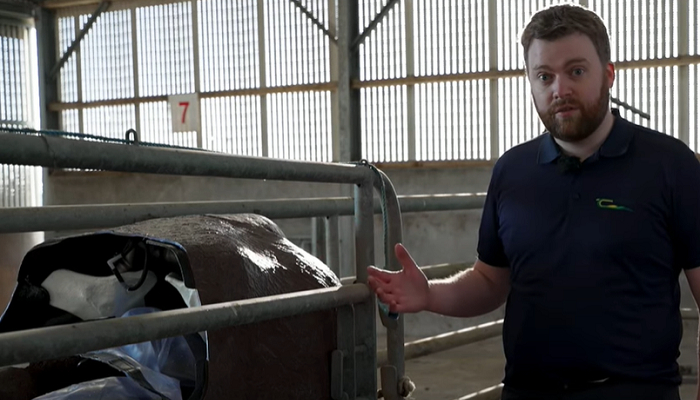
After being left in storage for almost nine months, the days or nights for which the calving jack will be reached for are approaching on many spring-calving suckler farms.
A vital piece of equipment to aid in difficult calvings, provided you know when to use and how to do so in an effective and safe manner, Research Officer in Beef Herd Health and a Vet at Teagasc Grange, John Donlon has urged farmers to ensure their calving jack is working effectively before the need to use arises.
“When I previously worked in practice, a lot of calvings I would have assisted in would have been as a result of a mislaid or malfunctioning calving jack.
“It’s a piece of equipment farmers hope they won’t have to use, but they must know where it is and it works before they reach for it,” he explained.
A functioning calving jack is one thing, but it’s ineffective without the correct ropes, and John Donlon encouraged farmers to have two sets present at all times – one set clean and ready to go while the other is being cleaned after use.
Correct use of the calving jack
Featuring in a number of videos on preparing for the calving season, along with his appearance on the Future Beef Programme’s webinar on Calving and Post Calving Management, John Donlon also offered tips on how to use the calving jack effectively.
After handling the safely secured cow using appropriate calving attire and where the need to use the calving jack has been identified and the requirement for veterinary intervention to assist with calving ruled out, he advised: “An important step is applying the calving ropes correctly, as failure to do so may result in injury to the calf.
“The ropes should be positioned above the calf’s fetlocks – never below – with the knot facing downwards. Positioning the ropes in this way applies the pressure on the underside of the calf’s legs, as opposed to the top, and helps to prevent injury while jacking.”
After applying the ropes, John Donlon recommended applying some gentle pressure to see if the calf will come without the need for the calving jack. Where this pressure is unsuccessful and there’s a need to use the calving jack, he advised: “When using the calving jack, you should always be making steady progress. Work slowly with the contractions of the cow.
“For me, the key thing with using a calving jack is take your time; avoid the urge to become excited, go one click at a time. If you are making no progress, do not persist as there is a risk of causing injury to both the calf and cow. Instead call your vet.”
In the below video, John Donlon shares tips for managing a difficult calving – from preparing to handle the cow, assessing the calf size, adjusting calvings where the head or leg is down, to the correct use of the calving jack:
The Future Beef Programme team has also prepared a series of factsheets on calf management. Encompassing key information on colostrum management, prevent scour in newborn calves and good navel care in calves, the Future Beef Factsheets for Suckler Farmers are available to view here.