
05 February 2025
Practical tips for the calf buyer
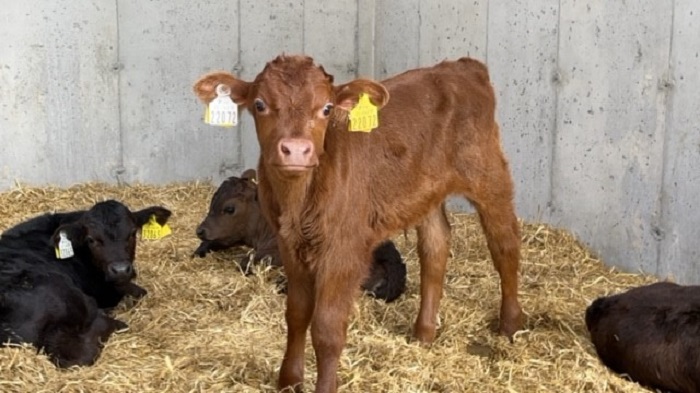
Sourcing healthy, well-bred calves is a cornerstone of a successful calf to beef enterprise, writes Tommy Cox, DairyBeef 500 Advisor, who highlights why careful planning can go a long way in keeping your herd healthy, boosting productivity and improving profits.
In the coming weeks and months a large volume of calves will be traded between dairy and beef farmers. For beef farmers, getting the right calf onto your farm is key to running a successful dairy calf to beef operation.
Here are some straightforward tips to help you make the best choices when buying calves:
Put calf health first
When you’re looking to buy calves, their health should be your top priority. Always go for calves from suppliers you trust, who have a good track record with herd health. Look out for signs of a healthy calf; bright, clear eyes, a shiny coat, a clean, dry navel, and a strong suckling reflex. Steer clear of calves that show any signs of sickness like runny noses, coughs, scours (diarrhoea), or if they seem weak or sluggish.
Buy direct from farms when you can
Whenever possible, buy calves straight from farms. This helps you trace where your calves are coming from, lowers the chance of disease spreading, and overall reduces stress on calves. Building a good relationship with farmers you trust means you get consistent quality. Additionally, you can ask them about how the calves were cared for, what they were fed, and their vaccination history.
Make transport as stress-free as possible
Moving calves can be a stress process, which affects their health. Keep travel times short if you can. Make sure the transport is clean, well-ventilated, and gives the calves enough room to stand or lie down comfortably. Try not to mix calves from different farms during transport, as this can spread disease. On longer trips, think about giving the calves breaks with water to keep them hydrated.
Quarantine new calves
This might not always be feasible but, where possible, when new calves arrive, it’s smart to keep them in their separate batches for at least two weeks. This quarantine period lets you keep an eye out for any signs of illness without risking the health of the rest of your animals. Watch for things like coughs, scours, or signs of pneumonia.
Feed them right after arrival
Good nutrition helps calves grow strong and fight off illness. Use high-quality milk replacer and make sure they have access to clean water and starter ration. Stick to a regular feeding schedule and keep feeding equipment clean to avoid digestive upsets. Gradually adjust their diet if needed, and keep an eye on their weight and condition to ensure animals are performing.
Provide a clean, comfortable home
A dry, draft-free and well-ventilated space is key for keeping calves healthy. Use plenty of clean bedding to keep them warm and prevent infections. Good housing should have fresh air without being drafty. If you house calves in groups, keep those of similar size and health together to prevent bullying and reduce the spread of disease.
Tommy Cox is an advisor on the Teagasc DairyBeef 500 Programme. Find out more about the DairyBeef 500 Programme here.
Also read: Can anything more be paid for dairy-beef calves this year?
Also read: CBV driving performance in west Cork
Also read: Accessing CBV – 3 tools every calf buyer needs to be aware of
Also read: 4 reasons why farmers should use the Commercial Beef Value