
05 November 2023
Watch: Clipping an important winter management task on this Future Beef farm
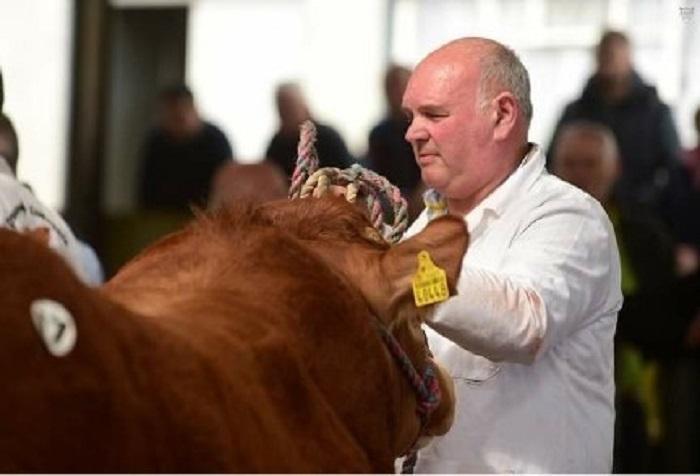
Oliver O’Hara farms full time with help from his children Shane and Karen in Gortnaskeagh, Leckaun, Co. Leitrim. Farming 43ha of owned and leased land, plus mountain commonage, his soil type is typically heavy clay with some peaty areas adjacent to the mountain.
Oliver mainly runs a spring-calving system with 27 suckler cows, a few of which are pedigree Limousin. Stronger males are finished as young bulls, with the remainder sold as weanlings. AI is used for the first round to breed replacements and then a high-value, dual-purpose Limousin bull is used for the rest of the breeding season. To complement the cattle system, Oliver has grown the sheep flock to 130 ewes, which lamb in March. He also runs a contracting business.
In Oliver’s area, the winter can be typically six months for a suckler herd. As a result, he has invested in winter housing with adequate slurry storage. Last year, he completed the construction of a new sheep shed. It will accommodate all of the flock during the main winter months. He can rest his grassland and build covers for the spring lambing flock, while the ewes will now be lambed indoors in a comfortable environment for Oliver and family.
Winter performance
Performance of all cattle over the winter is vital in any efficient, profitable farming system. Oliver pays attention to all aspects which affect daily liveweight gains over the expensive winter period namely: providing adequate lying and feeding space; feeding top quality silage; and ensuring good animal health practices, such as dosing, clipping and vaccinations.
With the continuous wet weather in October, Oliver had to house all of his herd with the exception of 12 cows, which were grazing a dry out farm near Sligo. Oliver plans for a six month winter, so giving the herd a comfortable environment is key to good animal welfare. Special attention is given to lying space, ventilation and nutrition. Read more on how Oliver optimises lying space, ventilation and nutrition on his farm here.
Benefits of clipping cattle
Housing can result in humid and high temperatures being created within a shed, while also causing cattle’s coats to grow thick and long as a result of decreased access to UV sunlight. By clipping the cattle’s back, it allows excess heat to leave the animal’s body and cool down more effectively – which helps reduce the risk of the animal contracting pneumonia.
In the below video, Shane O’Hara outlines the benefits of clipping at housing:
Oliver’s son Shane will clip the backs and tails of all the cattle at the start of the housing, when their coats are clean. According to Shane, clipping tails will also keep the animals clean – especially the cows which is important pre-calving. Another advantage is when treating for lice, the pour-on will have close contact to the skin.
For more information on Oliver’s farm, including the system being operated and his targets in the programme, click here. This article was adapted from the November Future Beef newsletter. To find out more about the programme and to sign up to subsequent newsletters, click here.