
09 September 2023
Why having a good weaning plan in place is essential
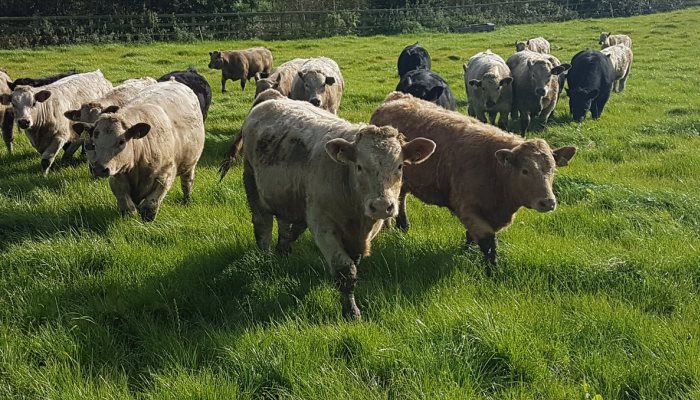
As we approach the time of year when weaning takes place on most spring-calving suckler farms, Stephen O’Callaghan, Walsh Scholar, Teagasc Galway/Clare, tells us why having a good weaning plan in place is important to avoid stressing suckler-bred animals.
Weaning can be a stressful time for calves as they experience big changes in both their environment and diet. We want the weaning process to run as smoothly as possible to minimise any health issues or effects on animal performance.
Why is it important to reduce stress?
Stress has a suppressive effect on the calf’s immune system, making calves more susceptible to disease. Outbreaks of pneumonia amongst weanlings are highly associated with situations where the immune system is compromised. There is often additional stress put on calves at the same time as weaning – such as housing, transport, and sudden feed changes. It is important that a weaning plan is put in place for your farm well in advance to minimise the stresses that are put on calves at weaning.
Breaking the cow/calf bond
Calves should be at least seven months old before they are weaned. The weaning process will differ from farm to farm. Creep grazing calves ahead of cows prior to weaning can help to weaken the bond between cow and calf, and also allows calves access to the best grass available.
We want to keep calves in a familiar environment when weaning, so cows should be removed from calves and not vice versa. Avoid abrupt weaning of all calves at the one time, instead try to remove one-third of the cows from the batch at a time, leaving at least five days in between removals. In addition, avoid other stressors such as castration or dehorning four weeks either side of weaning
Maintaining a stable diet
We want to avoid any major changes in the calf’s diet at weaning, such as moving from grass to silage, which often happens if calves are weaned at the same time as housing. If calves are at grass, they should remain at grass during/post-weaning.
Meal feeding for a period of four weeks before weaning and two weeks post weaning is best practice, as calves become trained to eating meal and their reliance upon milk is lessened. Calves should be eating approximately 1kg meal per day at the time of weaning.
Parasites and diseases
Lungworm (hoose) and stomach worms become more of a problem for calves at this time of the year, as they are eating more grass and therefore ingesting more worms. A worm burden is an additional stressor being put on the calf, so having them dosed 2-3 weeks before weaning where required will reduce this risk. Faecal egg sampling is a good way of determining if calves need a dose for stomach worms.
Pneumonia can be a serious problem in recently-weaned calves, causing illness, death, and reduced lifetime performance. Vaccination protocols for preventing pneumonia may be required for your farm. Vaccinations are not effective immediately and may need to be given six weeks before weaning, depending on the manufacturer. If you are using a two shot vaccine, it is important that you give calves that second booster shot for the vaccine to be effective.
Keeping an eye out post-weaning
Vigilance is required in the post-weaning period. In the case of pneumonia, early diagnosis is essential for effective treatment. Broad symptoms include animals off feed, dullness, fever (>39.5 degrees), and discharge from nose/eyes.
Weaned cows are still susceptible to tetany for a week post-weaning and the risk is increased immediately after weaning due to stress, so Magnesium should be available.
Key tips:
- Keep calves in a familiar environment around weaning, removing cows gradually;
- Avoid major changes in diet, introduce meal to calves before weaning;
- Vaccinate/dose calves in advance of weaning where required;
- Remember having a good weaning plan in place is essential, and will help reduce stress for both the calves and the farmer.
Also read: Preparing for weaning with Future Beef farmer Ger McSweeney
Also read: The benefits of scanning suckler cows