
12 March 2023
Hitting your grass targets
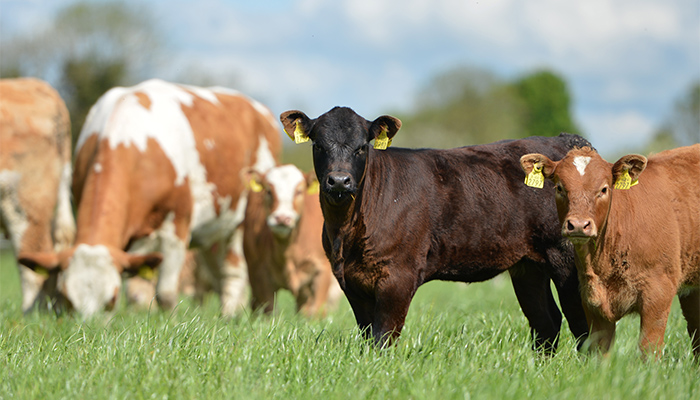
Pearse Kelly, Head of Drystock, tells us how we can hit our grass targets in this months Teagasc Beef newsletter.
Both weather and ground conditions have been excellent across the country in recent weeks. Air and soil temperatures have been well above normal, and rainfall levels have been below what we would normally expect at this time of the year. With such favourable conditions, many beef farmers have rightly turned some of their cattle out to grass three to four weeks ahead of normal. This is saving them fodder, reducing the amount of slurry they will have to spread, significantly reducing their workload, and improving the daily weight gain in their cattle.
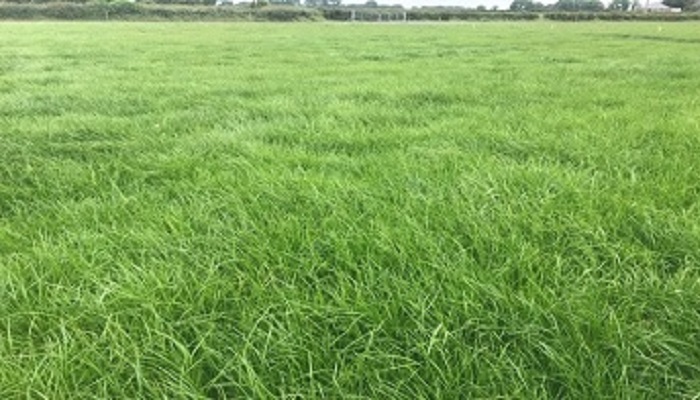
The key now for these farmers is to have a reasonable amount of grass regrown on the fields they grazed first that they will be returning to graze in a few weeks’ time. Leaving enough time for regrowth is the number one strategy to achieve this, i.e., not finishing the first rotation too soon. With normal grass growth rates, most farms should aim to finish their first grazing rotation no sooner than the first week of April. Keep a close eye in March on how much ground you are grazing per day or week. If you are grazing too much, you will need to slow it down by not turning out any more stock (no matter how good the weather is) or it may mean rehousing some stock.
Getting fertiliser out is the second part of the strategy. With temperatures rising and day length increasing, the economic response to spreading even a small amount of nitrogen (N) increases every day we move into March. The amount you spread per acre will depend on your farm’s stocking rate. As we move later into the month, consider spreading a compound fertiliser (such as 18:6:12) on grazing swards where your farm has a phosphorous (P) allowance.
This article was first published in the Teagasc Beef Newsletter – March 2023