
05 March 2023
Prevention is always better than cure for John Barry, Future Beef Farmer
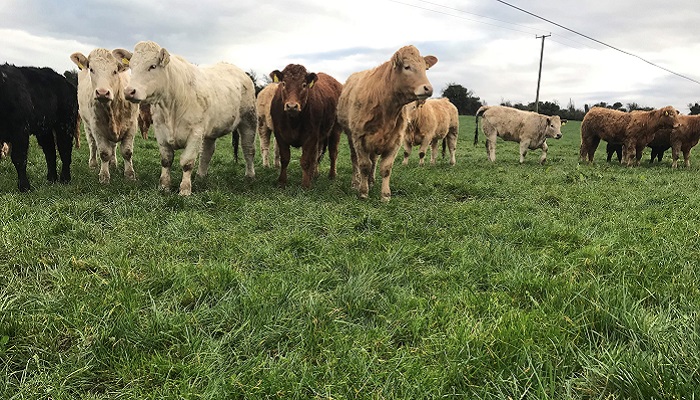
Vaccinations are a crucial part of John Barry’s herd health plan. John is currently in the middle of the calving season, so the prevention of respiratory disease in the spring-born calves is the main focus. John vaccinates all spring-born calves against RSV, Pi3, Mannheimia haemolytica and IBR.
Calf scours were an issue on John’s farm. However, since he started a vaccination programme against rotavirus, coronavirus and E. coli, things have really improved.
But it’s not all about the calf at this time of year, we also have to think about next year’s calf crop and the breeding season. On the health side, John has to plan his leptospirosis vaccination protocol – for heifers, this could have to start 10 weeks before the bull can go in.
The autumn-calving cows are also vaccinated against leptospirosis at least two weeks pre-breeding in the autumn. They receive an IBR vaccine 5-10 weeks pre-calving, but are not vaccinated against rotavirus, coronavirus and e.coli. John calves most of the cows indoors in calving pens and they go back to grass directly afterwards from August onwards, which he finds results in a lower incidence of scours in calves at that time of the year.
Getting calves and cows to grass as soon as possible after calving is a priority for John on the farm. He finds that they are much healthier and he has less disease pressures than if they were in the shed. As he works off farm, any sick animals on the farm are a drain on his time and also affect live weight gains, so prevention is better than cure to him.
Watch the video below for best practice when administering vaccinations.
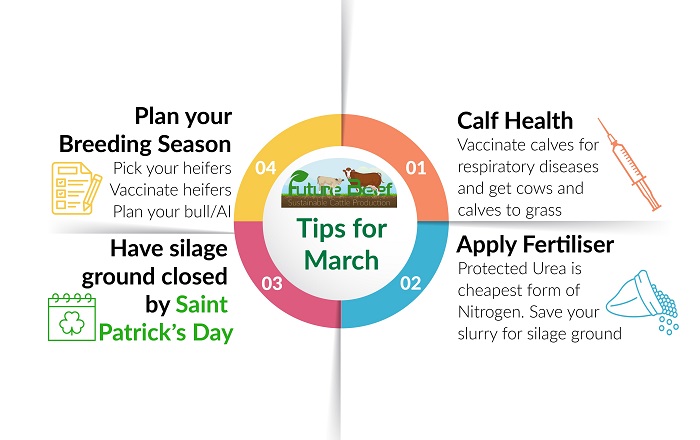
Future Beef Top Tips for March
This article first appeared as part of the Future Beef March 2023 newsletter. To sign up to the newsletter, click here. For more information on the Future Beef Programme, click here.