
25 February 2022
Calves in sheds- what to watch out for
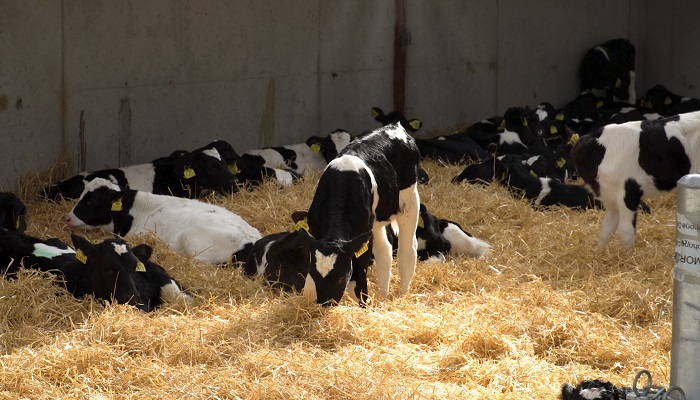
Due to the recent poor weather there is likely to be a build up of stock in sheds. This build-up of stock may put very young calf’s immune systems under pressure resulting in disease outbreaks unless preventative action is taken. Beef specialist Alan Dillon has advice on caring for calves in sheds
Weather has taken a turn for the worse in the last few weeks with over 230 ml of rainfall recorded since Feb 1st in some areas.
As fields are waterlogged and turnout impossible for some time in most parts of the country there will be a build-up of stock in sheds where suckler cows are calving or calves are being purchased from dairy herds. These calves will be added in some cases into sheds where older stock are present which may cause a disease risk
This build-up of stock may put very young calf’s immune systems under pressure resulting in disease outbreaks unless preventative action is taken. There are a number of simple steps a farmer can take to reduce the levels of exposure on calves
- Bedding – ensure calves are bedded daily with dry clean straw. It is important not to skimp on straw with these young calves as they have poor immune systems at this age. The straw should be bedded deep and fluffed up to allow calves to create a nesting effect in the bed.
- Clean out sheds regularly – bedded sheds need to have old bedding cleaned out as regularly as possible. While full disinfecting of the shed mid-season will be doubtful to happen, scraping the sheds clean and covering with lime will help
- Colostrum – ensure calves ingest adequate levels of colostrum within the first few hours of life. Frozen colostrum can be thawed and fed into a calf after it is born. This is in effect the calf’s first line of defence against illness.
- Purchase calves from known sources – when purchasing spring born dairy beef calves, ideally buy directly from farmers who have a high standard of calf welfare. When purchasing ensure the calves received adequate colostrum and have no signs of respiratory infection.
- Vaccination programmes – The main viruses that hit calves in the weeks following birth are RSV, Pi3 and Pasturella. There are a number of vaccines available to combat these viruses. They are administered either by intranasal means or injection. The intranasal vaccines typically work faster but have a shorter lifespan. When using injectable vaccines ensure the recommended second shot is given at the required time to ensure they work effectively. It is important to ensure vaccines are not administered when calves are enduring a stressful episode such as dehorning, being moved off farm or castrated.
- Scour – Calf scour is an age-old problem but is still a common reason for disease and death in Irish calves. There is still a substantial number of heifer calves born alive that never go on to calve themselves. Calf diarrhoea and calf pneumonia are the leading causes of death in Irish calves pre-weaning. There are several causes, most of which are infectious, and they include bacteria, viruses and parasites. Most calf scour is transmitted by the “faecal oral route” where calves become infected from oral contact with the faces of other calves, from the calf environment/calf pen, other calves but also via feeding utensils, trailers, clothing/boots or any mechanism that allows the calf in contact with the infected faeces. Calf scour is readily recognisable, and the symptoms vary with severity progressing from bright and alert to depressed with varying degrees of dehydration (noted by sunken eye). Depending on the level of dehydration calves become weak and sometimes collapsed. Mortality can be high in outbreak scenarios and calves are more likely to be more severely affected if they have mixed infections, such as rotavirus and cryptosporidium.
Types of calf scour
Parasites – Cryptosporidia /Coccidia (generally in calves older than 3 weeks)
Viruses – Rotavirus/Coronavirus
Bacteria – Salmonella/ E. coli (only in calves under 5 days of age)
How to treat scour
Remove the calf – Removing the scouring calf from the group – this helps prevent the spread of infection and gives the calf a better chance of recovery. Scouring suckler calves and their dams should be separated from other calves and their mothers. Calves should be isolated in a well bedded pen well away from healthy cohorts.
Rehydrate – The most important part of treating scour is fluids, the fluids and salts that are lost in the diarrhoea must be replaced. Rehydrate by giving oral fluids. Healthy calves need a minimum of 4 litres of fluid a day and scouring calves need an additional 4 litres to replace lost fluids. Give two extra feeds (2 litres each) per day of a good quality oral rehydration solution when the calf starts scouring and while scouring persists. These should be given separately from the milk feeds (for example, at lunchtime and again late in the evening). It is safe to give these fluids by stomach tube, assuming farmers are competent and confident with the technique.
Management of scour
Continue to feed milk – Continue to offer scouring calves normal amounts of milk or milk replacer as long as they want to drink. Do not feed diluted milk to calves. Continue to feed with milk or good quality milk replacer as it does not cause, worsen or prolong scour. Milk or milk replacer should not be stomach-tubed, as it will not be properly digested and this can lead to the build-up of acids in the rumen and damage the ruminal wall. It is very useful to know the diagnosis as there are some treatments that can be used as preventatives also, which may help in the outbreak type scenario.
Antibiotics don’t work against parasites and viruses that most often are responsible for scour. They should not be used as a routine in the management of most mild cases of calf diarrhoea. However, they should be used by injection form only, if the calf is very sick, or if it has a temperature outside of the normal range; 38.5 to 39.5°C.