
16 February 2022
Taking the stress out of calving
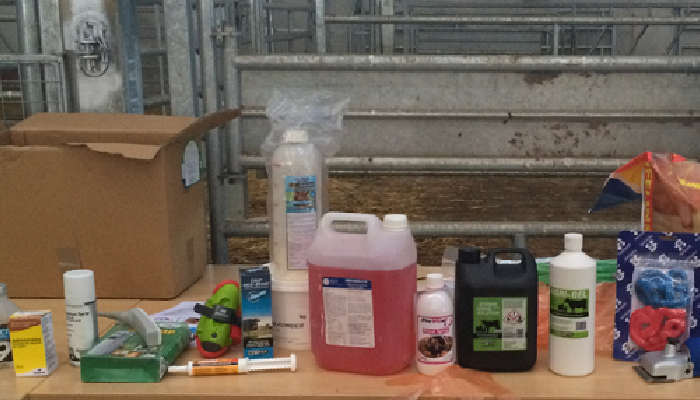
Calving is a stressful time for both the farmer and the animal. To try and reduce this stress and ensure a successful calving period we must be prepared. So Martina Harrington Teagasc Beef Specialist has the tips needed to ensure calving goes smooth and it all starts with being prepared.
1. Use your scan results to know what dates your cows are calving.
2. Identify any cows carrying twins, as they may calve earlier.
3. Have fit but not fat cows/heifers. If their condition needs to be adjusted up or down, ensure that this is done six weeks before calving. Do not starve cows in the final few weeks as they will not have the strength to calve and won’t have adequate colostrum once calved.
4. Ensure that you are feeding a recommended pre-calving mineral high in magnesium, phosphorous, selenium and iodine for at least six weeks pre calving. This will ensure that the cow will calve easier and have a more vigorous calf. Talk to your vet about any specific deficiencies on your farm.
5. Ensure that all your cows’ vaccinations are up to date and given within the correct time period so that adequate antibodies are in the colostrum.
6. Control liver fluke in cows where necessary.
7. Check your calving sheds and equipment, i.e., calving cameras are working, you have a working calving jack, the calving pen and gates are working and greased, etc.
8. Clean and lime slats – this will help to keep cows clean. Dirty cows will lead to scours and joint ill in calves.
9. Lime and disinfect calving pens and ensure that they are well bedded with clean, dry straw.
10. Clean and disinfect pens between each use.
11. Write a shopping list and get all your supplies well in advance of the start of calving, e.g., gloves, spare calving ropes, stomach tube, Milton, lubricant, iodine, etc. For a sample list, log on to www.teagasc.ie/beef .
12. Have fresh frozen colostrum on farm. If possible, take some colostrum from the first couple of calved cows and freeze it. This colostrum will have antibodies from earlier vaccinations and other diseases present on your farm.
13. Be careful of getting colostrum from other farms as it may not contain the same antibodies for the diseases on your farm and it may also carry Johne’s disease.
14. Be sure to feed enough colostrum to calves, at least three litres in the first two hours of birth if possible, but definitely within the first six hours of birth, to ensure good immunity levels in your calves.
15. Think safety. Ensure that pens and gates are working properly, have good lighting in your sheds, always have an escape route, carry your phone in an accessible pocket, and know your Eircode.
Watch as Martina Harrington goes into more detail in the video below:
You might also like to read: Preparation and Planning – Calving Checklist
The Teagasc Beef Specialists issue an article on a topic of interest to Suckler and Beef farmers every Wednesday here on Teagasc Daily. Find more on Teagasc Beef here Teagasc provides a Local Advisory and Education service to farmers. Find your local Teagasc office here