
26 January 2022
Dairy calf to beef – could it be an option for you?
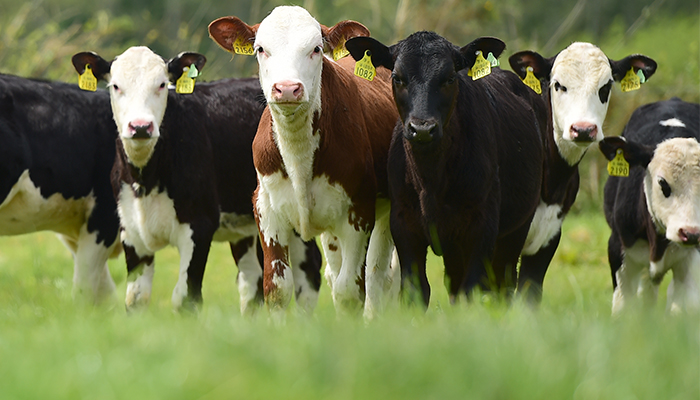
Dairy calf to beef is a system that is gaining in popularity. Almost 60% of our beef produced came from the suckler herd 10-15 years ago with only 40% from the dairy herd. It’s now the reverse. Beef Specialist Alan Dillon assesses the system as an option
The increase in dairy cow numbers and reducing suckler herd has led to 60% of beef now coming from the dairy herd.
Anecdotal evidence suggests that a number of farmers had dipped their toes in dairy beef when covid hit in early 2020. Some part time farmers were off work and school children were at home to give an extra hand around the yard. Whether these farmers continue to purchase and rear dairy calves now that normality has resumed remains to be seen. There are opportunities to increase profits and farm output by adding an efficient dairy beef enterprise to your farm.
Benefits of the system
- Low initial investment for raw materials (calves + milk)
- No issues around breeding and calving to deal with
- Low amount of housing space needed to rear calves in the first few months
- Generally docile animals that are light on ground ( suits early grazing on heavier land)
- Low grass and fodder demand for the first 12 months
- Quick turnaround time to slaughter (18-24 months)
Issues with the system
There are of course some issues to entering the system that need to be taken into account. Anyone considering dairy beef needs to be aware of:
- a very different system to rearing suckler cows and calves – grass quality and calf rearing needs to be well managed or winter housing weights will be behind target. A paddocking system with good quality, well managed ryegrass swards is needed
- rearing sheds for calves have very specific requirements in terms of drainage, floor slope, shed temperature and airflow to ensure calves remain virus free and achieve target weight gains
- the need for top quality silage for any indoor housing period. A minimum of 70% DMD silage will be needed to achieve target weight gains of 0.6kg over the first winter and 1.1-1.3kg over the finishing period along with moderate levels of concentrates
- a wait of 18 months to 2 years to recoup initial investment. While suckler farmers have the option of going to the mart with calves from 6 months onwards confident of receiving a good weanling price, dairy calf to beef is a longer term investment. The vast majority of producers have to carry stock through to slaughter to achieve full value for their stock. Having a plan in place to deal with cash outflows for the first 2 year period is essential to the success of the business
- Buying calves from multiple sources or marts can lead to disease issues. Calves have weak immune systems at a very young age. Best practice is to buy from a small number of known sources
- Ensuring the breed makeup of the calves purchased is what is required on your farm. Some crossbred calves will deliver low weight gains and poor kill outs. Be sure you know what you’re buying and what the plan is for carrying these stock through on farm
Calf buying and rearing
Calf Housing requirements:
- Temp 15-20 degrees Celsius
- Well ventilated- avoid vented sheeting
- Drainage on floor 1:20 slope
- 20kg/head/week of straw
- Space allowance 1.5 m2 – 3 m2
- Clean water at all times
- Ample lighting
- Correct feeder and drinking space
Purchasing the calf:
- Source from reliable farms- colostrum fed, good housing, no scour
- Avoid buying from numerous sources
- Examine the calf thoroughly
- Examine cow type on farm- no crossbred herds
- Ask for sire details
- Don’t purchase very young calves
Summary
While calf to beef might not be for everyone, results from the Teagasc Green Acres Calf to beef programme have shown promising results from well-run farms. This is especially true of farms with a high level of efficiency regarding animal rearing and carcass gain from grass based diets.
Profits in excess of €500/ha net excluding subsidies have been achieved on some farms consistently but management on these farms is at a very high level.
Farmer must not go into dairy calf to beef production blind and must research where to source calves in advance along with having proper facilities and infrastructure in place prior to purchasing.