
04 March 2024
Reduce lamb mortality with adequate preparation
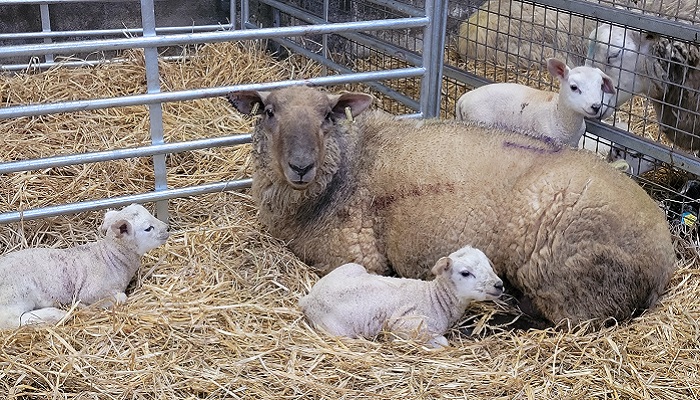
As 20-25% of the annual workload on sheep farms is associated with lambing, Eamonn Dempsey, Teagasc Advisor, Tralee, highlights why preparation is key and the important areas to focus on – including ewe nutrition, facilities, hygiene and supervision.
Penning
For every 100 ewes have 2-3 group pens. It is recommended to have 8 to 10 lambing pens per 100 ewes and 4 pens per 10 ewes if synchronized mating was carried out. Highly stocked sheep pens can cause disruption to lambing, increase the chances of mismothering and decreases ewe and lamb suckling frequency.
Hygiene
As hygiene is vital at all times, purchase 4 to 5, 25kg bags of lime per 100 ewes for the lambing pens and use sterilising fluid to disinfect lambing equipment, such as bottles, stomach tubes, lambing ropes etc.
Water supply
Ensure fresh, clean water is supplied, 10 litres per ewe per day either with self-filling drinkers, or a 100mm water pipe running through pens with holes cut out for sheep to drink.
Nutrition and vaccinations
Nutrition is key to producing healthy lambs and this begins with the pregnant ewe. Ewes that are underfed in pregnancy will deliver lighter lambs, produce less colostrum and milk of a poorer quality than well fed ewes.
These smaller lambs are then more prone to infectious disease etc. It is important to vaccinate ewes against clostridial diseases with two shots required 4 to 6 weeks apart to get full immunity.
Annual boosters are required four to six weeks pre lambing to provide maternal immunity for 3 to 12 weeks in lambs.
Assisting at lambing
To assist lambing, wear disposable lambing gloves, have lubricant, lambing ropes, lambing aid and fostering crate available if needed. Once the lamb is born, disinfect the navel with 10% iodine spray and ensure the lamb receives adequate colostrum in the first few hours of life. The target intake is based on the guideline of 50ml of colostrum per kg of lamb birth weight, given as soon as possible within the first 6 hours of life, with 4 feeds of colostrum consumed in 24 hours.
Moving to lambing pens
After birth, move ewe/lambs to an individual pen for a minimum of 24 hours, then move into small groups of 5 to 7 ewes with lambs for another 1 to 2 days. For identification, mark lambs on the same side as the ewe, using different colours for single, twin and triplets.
Foster ewes will need to remain in individual pens or foster crates until such time as they have accepted lambs. It is important that foster ewes/lambs are identified so they can continue to be monitored.
Extra attention
Where small, weak or sickly lambs are born, they will require extra attention. Ensure they are fed colostrum, kept warm with red lamb/heat box, receive glucose and sufficient time in individual pens.
Lamb mortality is highest on the day of birth, and nearly half of all deaths occur within the first week of life. Lambs die for many different reasons including Dystocia, infectious disease, congenital malformation, predation, starvation, mismothering and hypothermia.
Indoor lambing systems can protect the lamb from hypothermia and predation, but deaths from infectious causes maybe more common. Once you have good housing facilities, correct ewe nutrition, ewe vaccinations, and necessary lambing equipment to hand, along with good animal husbandry skills, mortality will be greatly reduced in the first week after birth.
Also read: Feeding ewes to maximise lamb survival this spring
Also read: Pregnancy nutrition – the foundation of flock profitability