
19 February 2024
Over 4,900 hill rams genotyped
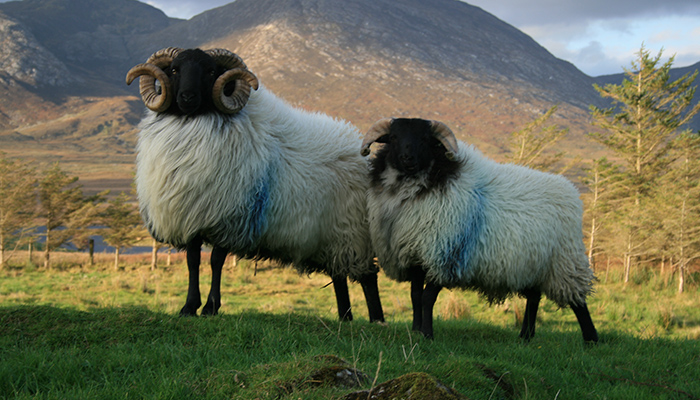
Seen as a key technology to improve the productivity and viability of the hill sheep sector, the rate of genotyping of rams from Irish hill flocks has increased significantly.
Illustrating how hill sheep farmers have moved to adopt this technology, David Coen of Sheep Ireland told the Teagasc National Hill Sheep Conference that just 240 rams were genotyped pre-2023. Now – ranging across 10 different breeds – 4,920 hill rams have been genotyped nationally.
With this rapid increase in genotyping comes many benefits, he said. These include: parentage verification – where parents have been genotyped too; the provision of more detailed information on scrapie resistance levels; and the identification of inbreeding – something thought to be occurring, but very little proof was available.
David also explained that Sheep Ireland published its first hill sales catalogue, which was ran instantly from the national database. Through the incorporation of genotyping information, genomic genetic evaluations could be presented, along with visible and accurate breeding lines.
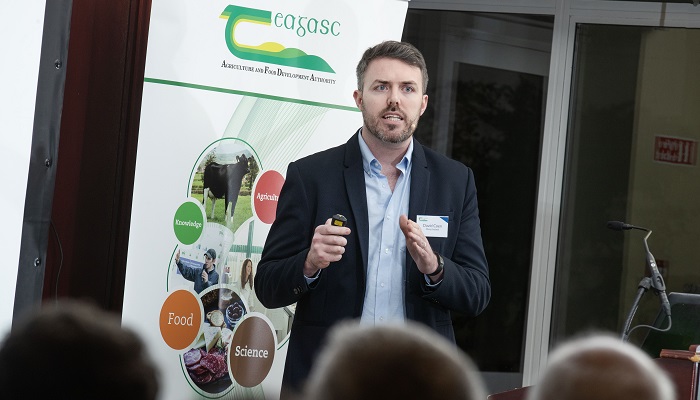
David Coen speaking from the National Hill Sheep Conference
Along with the rate of genotyping, another area where the hill sheep sector has made improvements is through the establishment of flockbooks. Initially, just two flockbooks were engaged. This has since risen to 17, with David noting that these will serve to protect from breed dilution from other strains and breeds, form the foundation for systemic breed improvement and create a great platform to help promote the breed.
SIS ram tasks
For farmers participating in the Sheep Improvement Scheme (SIS), David also reminded them of the ram-purchasing tasks, with hill flocks being required to purchase a sire-verified hill breed ram that’s either type 1, 2 or 3 for scrapie. Alternatively, they could meet the scheme’s requirements by purchasing a genomically-tested, 4 or 5 star lowland sire on either the Terminal or Replacement Index that meets the same scrapie standards.
He noted that demand for SIS-eligible hill rams will increase in 2024, with more genotyped rams needed to meet this demand and he reminded farmers of the Sheep Ireland DNA collection days, which involves breeders bringing rams to marts, where they are genotyped directly by Sheep Ireland staff.
David also highlighted the benefits to commercial farmers of using an SIS ram, these include: assured parentage through DNA verification; decreased chances of inbreeding; securing a healthy scrapie status in your flock; and the storage of ram’s DNA on the national database, leading to genetic linkage with research and future hill index development.
Concluding his presentation, David noted that huge progress has been made in 2023 and DNA – acquired through genotyping – can provide a genetic baseline for hill breed improvement, adding: “Even after SIS has finished, the entire industry will continue to benefit via genetic gain and aiding the establishment of hill flockbooks.”
To access David’s full presentation from the Teagasc National Hill Sheep Conference, click here.
Also read: Recording Hill Sheep Groups – an opportunity for the hill sector to improve
Also read: Making the most of your Sheep Improvement Scheme tasks – ram buying