
17 September 2022
Limiting Resistance to wormers on sheep farms
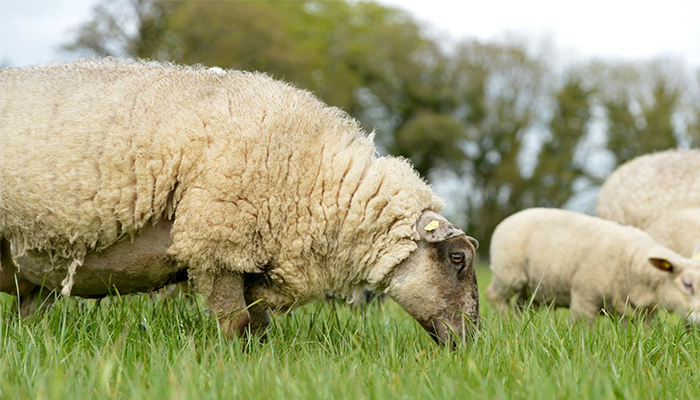
James Doran, Drystock Adviser, Teagasc Enniscorthy, shares four key actions recommended by a Teagasc working group to help slow the rate of anthelminthic resistance on farm.
Resistance to wormers on sheep farms is fast becoming a major issue and represents a massive challenge to sheep farmers currently. Listed below are the four key actions as recommended by a Teagasc working group on this issue to help slow the rate of anthelminthic resistance on your farm!
1. Use benzimidazoles to control Nematodirus worms in Spring
Benzimidazoles (white drenches) remain the treatment of choice and are effective against both larval and adult stages of the nematodirus worm. The use of benzimidazoles as a first-choice treatment option will also help to limit the exposure of the other anthelmintic classes to worms such as Teladorsagia and Trichostrongylus at a point in the grazing season when treatment for these may not be warranted. This will help to preserve their efficacy and is especially important on farms where resistance to benzimidazoles occurs. As there are no drenches with effective residual activity against Nematodirus, this means that as lambs continue to graze they can become re-infected with larvae again and as a result may need repeated treatments at two-to-three-week intervals.
2. Use faecal egg counts to determine when to treat and what products are effective on farm
Aside from clinical presentation and live weight gain estimation, there are relatively few diagnostic tools available to farmers that can be used to gauge potential parasite burdens. One such tool that is available is faecal egg count (FEC) whereby the egg output of stomach/gut worms are expressed as eggs per gram (EPG) of faeces. Lambs that show a FEC of greater than 500 eggs per gram generally warrant a dose. Furthermore, FECs can be used to determine the efficacy of a particular anthelmintic (wormer). At its most basic, sheep can be faecal sampled several days post-treatment (e.g., seven days post-treatment if levamisole is used or 14 days post-treatment if a macrocyclic lactone or benzimidazole product is used) to gauge the efficacy of the treatment used.
3. Do not treat adult ewes for roundworms unless there is a demonstrated need
In sheep, both clinical and subclinical disease due to roundworm infections are mostly associated with first grazing season animals. This is a result of having no prior exposure to parasitic challenge. Although clinical/subclinical disease may occasionally occur in older animals, this is more the exception than the norm. Therefore, it is recommended not to treat adult ewes for intestinal worms unless there is strong evidence to the contrary such as elevated FECs, poor body condition scores, etc.
4. Quarantine treatment of bought-in sheep with a wormer containing a new active
Aside from excessive treatment frequency and under-dosing, one of the more common ways in which AR can develop on farms is through the purchase of sheep carrying anthelmintic-resistant roundworms. It can also include situations where sheep have been grazing commonage and the risk exists on introducing these resistant roundworms onto the home farm. It is imperative that the product(s) used include a wormer containing a new active ingredient where the efficacy of the treatment is likely to be very high, thus greatly reducing the likelihood that resistant roundworms are introduced onto the farm. Following treatment, sheep should be held off pasture for 48 hours to allow all eggs that have been produced by the resistant worms to be shed.
The Teagasc Sheep Specialists, Researchers and Teagasc Advisors issue an article on a topic of interest to sheep farmers on Tuesdays here on Teagasc Daily. Find more on Teagasc Sheep here Teagasc provides a Local Advisory and Education service to farmers. Find your local Teagasc office here