
14 September 2024
Autumn planting
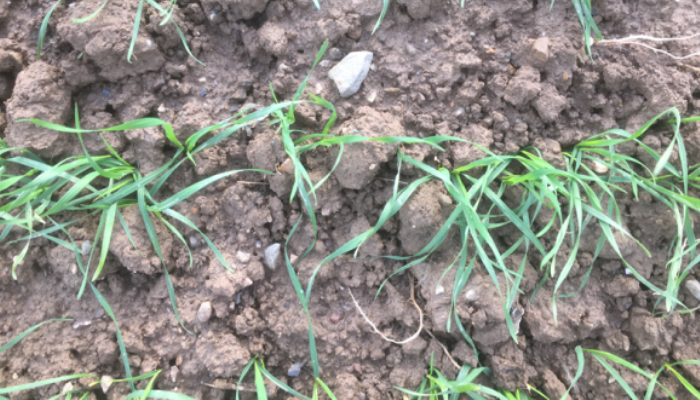
Balancing early cereal planting with risks such as BYDV, take-all, and disease is crucial, while strategic crop rotation, including oilseed rape, rye, and BYDV-tolerant barley, can optimise yield and profitability.
After two exceptionally wet autumns, there is a natural temptation to begin planting cereals earlier than usual. However, striking the right balance between taking advantage of better sowing conditions by planting early, and the risks posed by barley yellow dwarf virus (BYDV), take-all, grass weeds and increased disease pressure can be challenging.
Cropping plan
The advantage of an autumn cropping plan is that it enables the grower to strategically place the appropriate crop in the optimal location. Factors such as crop rotation, soil type, and aspect, as well as available machinery and labour, are all crucial elements of any effective cropping strategy. Keeping a good rotation on farm is central to profitability. Research work from Teagasc Oak Park showed that wheat grown after a break crop yielded between 11% and 19% more than wheat after another cereal. The margin from any break crop should not be considered in isolation but rather across the entire rotation.
Oilseed rape
Oilseed rape can be sown until mid September in the south and a week earlier further north. The key to successful establishment at this time of year is a good seedbed. It is also an ideal opportunity to apply organic manure and this will aid establishment. Choose a variety with good autumn vigour and increase seed rate by 10% if sowing late.
Rye
Before considering rye, consult your local agricultural merchant, as not all are equipped to handle it. There is growing interest in rye because it can be sown from mid September, taking advantage of favourable seedbed conditions.
Rye has high yield potential, comparable to wheat, and has good tolerance to take-all. While straw yields are high, lodging requires careful management. Modern hybrid varieties carry a low risk of ergot, but it is important to watch out for slug damage. Rye is best suited for planting at the end of the rotation due to its take-all tolerance. This allows volunteers to be controlled in the succeeding crop, e.g., bean/oilseed rape. Seed rate is 200 seeds/m² but be careful not to sow too deep, maximum 2-3cm.
Wheat
Sowing wheat after break crops reduces the risk of take-all and provides the best opportunity for high yields. However, while take-all risk is reduced, early sowing still leaves it vulnerable to BYDV and grass weeds. Additionally, a growing concern with the current wheat varieties is their poor resistance to septoria, a problem that is exacerbated by early sowing.
Barley
Over one-third of the seed available this autumn is likely to be a BYDV-tolerant variety. Results from Department of Agriculture, Food and the Marine (DAFM) variety trials indicate that in the presence of BYDV there is a benefit to using a BYDV- tolerant variety. However, the risk from take-all remains, so delay sowing in a take- all risky slot. Seed dressings for take-all were of limited benefit in Teagasc winter barley trials.
Given the increasing risk of septoria in wheat some growers may opt to plant winter barley after a break crop and use a BYDV-tolerant variety to increase the sowing window.
Read the full Tillage Newsletter – September 2024