
09 February 2023
Winter Barley and Oilseed Rape
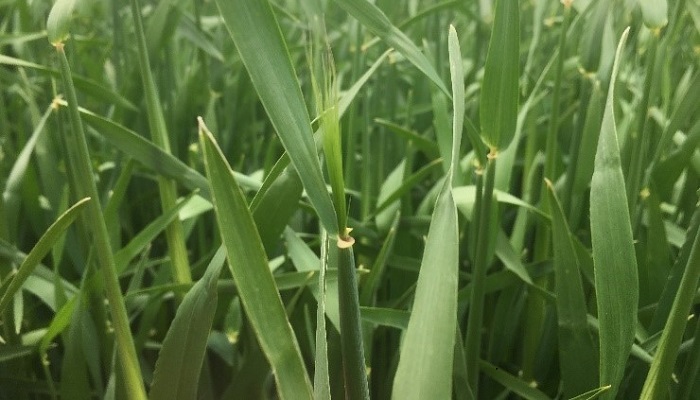
Shay Phelan, Teagasc Crops Specialist, discusses winter crops; Barley and Oilseed Rape
Winter Barley
Winter barley crops for the most part have progressed well over the recent weeks with very little “yellowing” of crops so far. While growers may be happy with this it may also point to a lower demand for nitrogen, phosphorous and potassium due to the crops crop being thinner or having lower tiller numbers than normal. Either way farmers should try over the next week or so carry out some plant counts to establish is this is the case or not.
At a recent crop walk, some growers are asking the question again this year, should they go with early nitrogen to simulate growth and tiller numbers? While many growers are convinced that there is a benefit, research work from Oak Park has repeatedly shown that where plant numbers and tiller numbers are adequate there is no advantage in applying nitrogen in February, especially if soil temperatures are low. At the moment, there is little growth so most crops will only need 1-2kg/ha of N to keep them going so there is little point in applying 40-50 kg/ha, especially given the cost and the risk of losses.
However the research has also shown that where nitrogen fertilisers are applied in late February that the yield penalty is relatively small. Therefore growers with large areas to cover, can in some confidence, spread the workload in the knowledge that yield penalties shouldn’t be too big.
Winter Oilseed Rape
Most crops are progressing well with small green buds starting to appear on some crops. Nitrogen strategy will depend on the green leaf area of the crop so before any fertiliser is applied all crops should be assessed for their GAI. Remember a GAI of 1.0 signifies that crop already has approximately 50 Kgs/ha of nitrogen stored within the leaves and this is a real saving in fertiliser costs.
Picture 1: GAI of 1.0
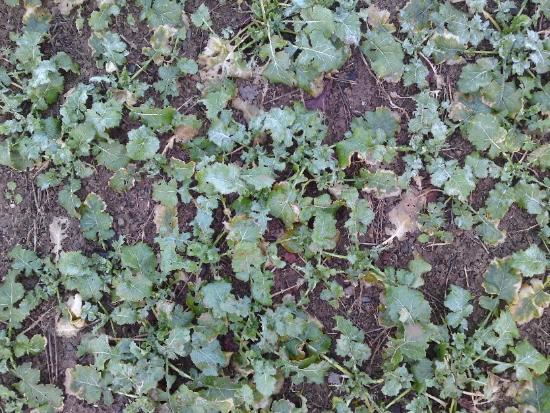
Pigeon grazing is a bigger issue in crops this year than 2022 and some crops have been severely grazed in the last few weeks. Remember that they are removing leaves that contain nitrogen so in order to get most out of the fertiliser nitrogen that is being applied then every effort needs to be made to move them on.
Light leaf spot will probably need to be treated in the coming weeks, most crops received no fungicide last autumn so the likelihood is that they will needed treatment in the next couple of weeks. Choice of products will depend on whether the crop needs a PGR effect or not, products containing metconazole or tebuconazole will give some effect while prothioconazole will have no pgr effect.
For more details of early season management of oilseed rape crops watch this video.
Dealing with Cover Crops
Before many fields can be drilled this spring the existing cover crops will have to be handled. Some have been grazed but many have not, these will need to be destroyed as soon as possible especially if they contain volunteer cereals and you aim to grow cereals. These volunteers can carry over diseases and pests such as rynchosporium or aphids which can transfer directly onto the emerging crops. Most crops will be burned off with glyphosate while others will be disked in. Ideally crops should have six to eight weeks between destruction and drilling the next crop
Drilling into standing cover crops is now becoming more common but again beware of the potential risks involved with direct transmission.
Get more information and advice from the Teagasc Crops team here
Find your local Teagasc office here