
29 September 2024
What plants are ‘Growing Wild’ in September?
Catherine Keena, Teagasc Countryside Management Specialist, takes a closer look at some of our native Irish biodiversity.
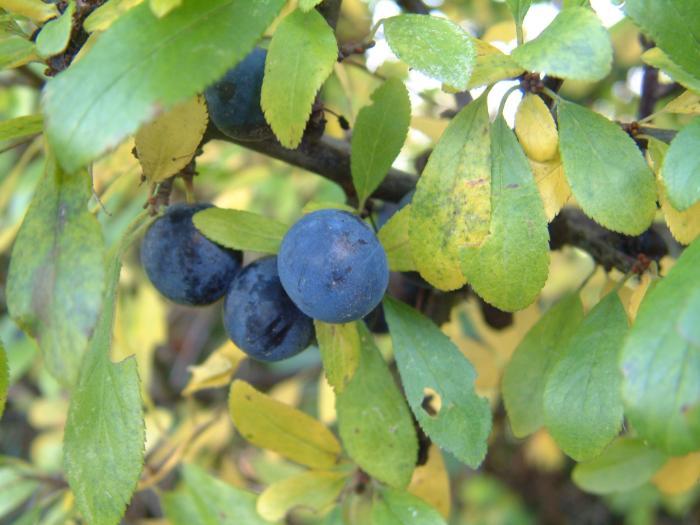
Sloes on Blackthorn
Look out for sloes on blackthorn. This is the easiest time to distinguish blackthorn from whitethorn, which has the smaller red haws. Look at their leaves now, which can be also used in summer to differentiate them. Blackthorn leaves are entire oval shaped leaves similar in shape to the apple leaf, while whitethorn has palmate or lobed leaves similar to the shape of the oak leaves. In the end of March after St. Patrick’s day, blackthorn hedges appear covered in clouds of snow-white flowers, while whitethorn flowers later after its leaves have come out at the end of May or first cut silage time.
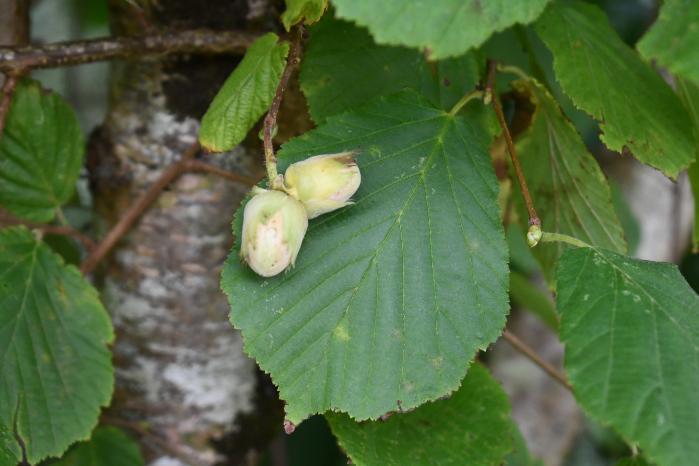
Hazel Nuts
Later empty hazelnut shells may be covered with pretty orange discs on short stems. This is one of many fungi associated with hazel, as is the scarlet elf cup found in leaf litter beneath hazel. Mushrooms are the fruiting bodies of fungi living in soil and feeding on organic matter and plant roots, while fungi help plants absorb water and nutrients. This is a key fundamental symbiotic relationship in nature between fungi and plants. Other fungi associated with hazel include fiery milkcap, summer truffle and hazel bolete. Having mushrooms in a hedge increases its biodiversity value. Hazel nó coll i nGaeilge is part of our native Irish biodiversity.
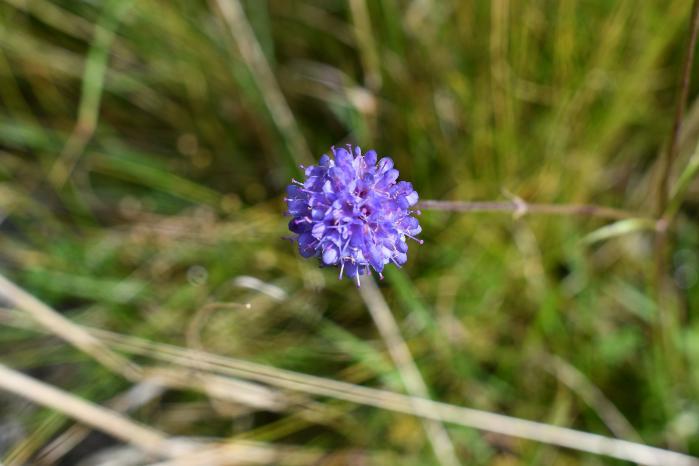
Devil’s Bit Scabious Flower
Look out for devil’s bit scabious flower, which now stands out as one of the few plants in flower at this time of year. The attractive light bluish purple flowers are held in compact heads approximately 2 centimetres in diameter. It grows in semi-natural grassland, which has not received fertiliser and can become quite tall in long grass. Most leaves are basal and simple. It is the food plant of the marsh fritillary butterfly, which is on the Red list of endangered species. Devil’s bit scabious nó odhrach bhallach i nGaeilge is a positive indicator plant on the ACRES grassland scorecard.
Read more from the Growing Wild series