
03 September 2024
Hedgerow Flora
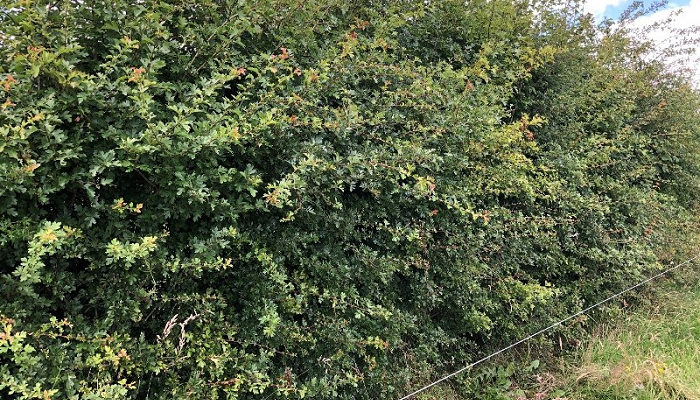
There are approximately one hundred plant species associated with our native Irish hedges, each one with its own story to tell. These include trees, shrubs, climbers and herbs. Catherine Keena and John Feehan tell us more.
When it comes to biodiversity, the most important single component in the value of a hedgerow is the permanent inhabitants in the hedge, the woody species, particularly the trees and shrubs.
The most important practical plant whitethorn or hawthorn for making sure hedges are stockproof, happens to be one of the most important woody species for the maintenance of biodiversity as well. When it comes to standard trees along the hedge, oak is most valuable, largely because of its practical uses and is the single most important species for the maintenance or promotion or expansion of biodiversity. All the other native species of trees and shrubs have their place, particularly if there are soil consideration to be taken into account or topographic considerations. If very wet ground you might use alder or willow, or birch if boggy.

Left to Right: Whitethorn, Oak, Alder, Willow and Birch
Among the first flowers you’ll see from January on is Lesser Celandine – the golden yellow flower that people often mistake for buttercups, which aren’t in flower this early. That will be followed quickly as we come into March with primroses, greater stitchwort with white flowers. By April, the grassy vegetation is growing up so only the taller flowering plants will catch your attention such as hogweed and cow parsley. By the early part of the summer the vegetation in the ground layer is going to so high that the flowers that are going to catch your attention are going to be further up the hedge. These tend to be climbing plants such as dog rose, bramble or honeysuckle.
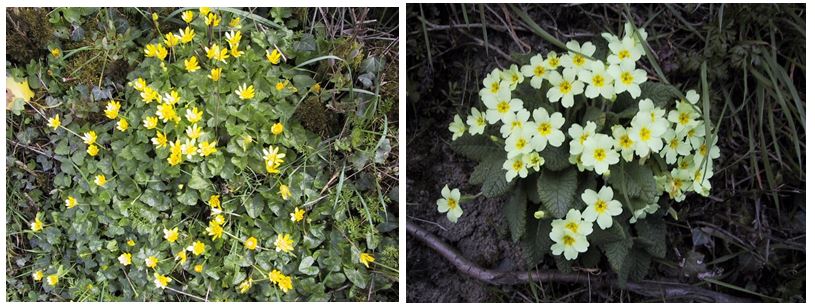
Among the earliest flowers Lesser Celendine and Primrose
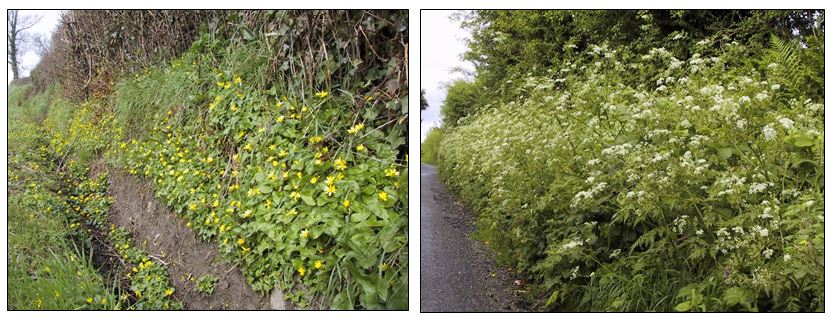
Ground flora at the base of hedges with different strategies: the early flowering low growing lesser celendine when there is no competing tall vegetation and the later, tall cow parsley flowering above the height of grassy vegetation.
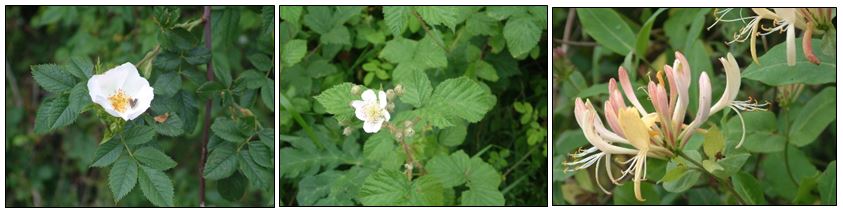
Left to Right: Dog rose, bramble or blackberry and woodbine or honeysuckle. All climb up the hedge to get a good vantage point before flowering later in summer.
Ivy is the last of the hedgerow plants to flower – particularly important because at the time of year it does flower in September, October, even into November – it’s almost the only plant producing nectar and pollen for the few insects that are still around at that time of the year.
National Hedgerow Week
National Hedgerow Week, a partnership between Teagasc and the Heritage Council, takes place from August 30 to September 6 2024.
See the full list of events for National Hedgerow Week here