
17 August 2024
Growing Wild: Scarlet Waxcap and Yellow Meadow Ants
Catherine Keena, Teagasc Countryside Management Specialist, takes a closer look at some of our native Irish biodiversity, focusing this time on Scarlet Waxcap and Yellow Meadow Ants.
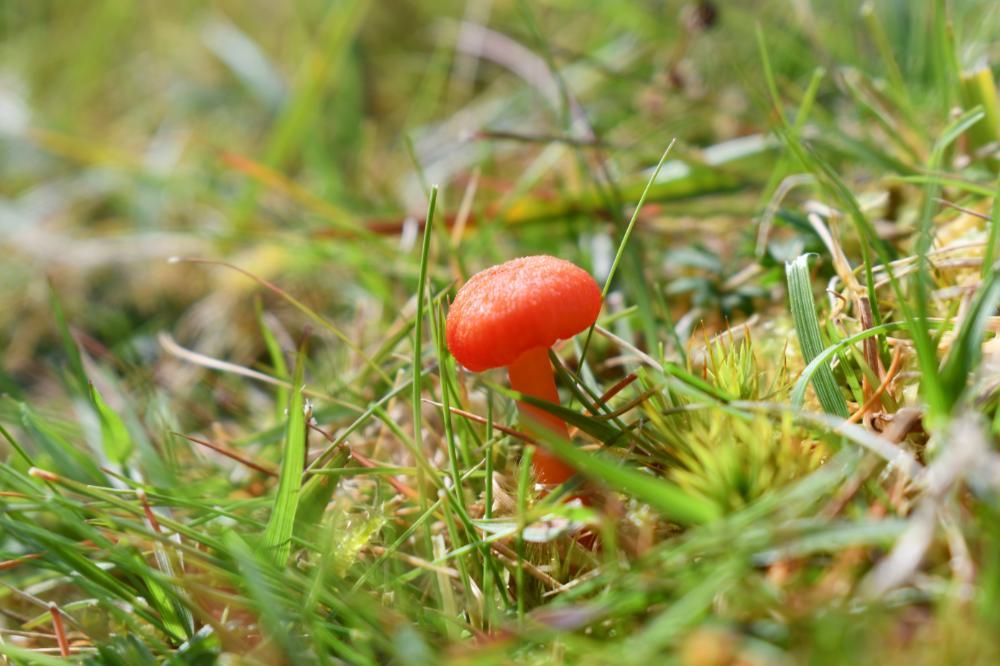
Scarlet Waxcap
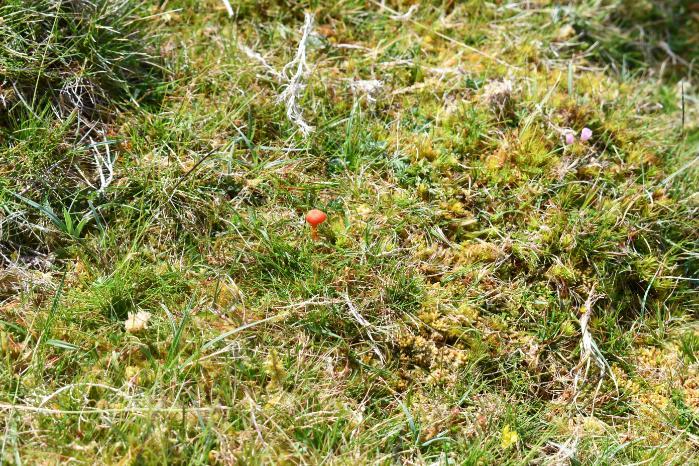
Look out for scarlet waxcaps, one of our waxcap fungi found in tightly grazed areas in old grasslands. It is small, red fungus with a domed, convex cap at first, which eventually becomes flat. The stem is also red and the gills are orangey-red. Brightly coloured fruiting bodies of waxcap fungi appear from now into autumn and indicate grassland which has not been disturbed for a very long time. Such grasslands with low nutrient levels have complex communities of fungi in the soil. Examples of grasslands with high numbers of waxcap species occur on Clare Island and in the Curragh. These are rare and important, part of our native Irish biodiversity.
Yellow Meadow Ants
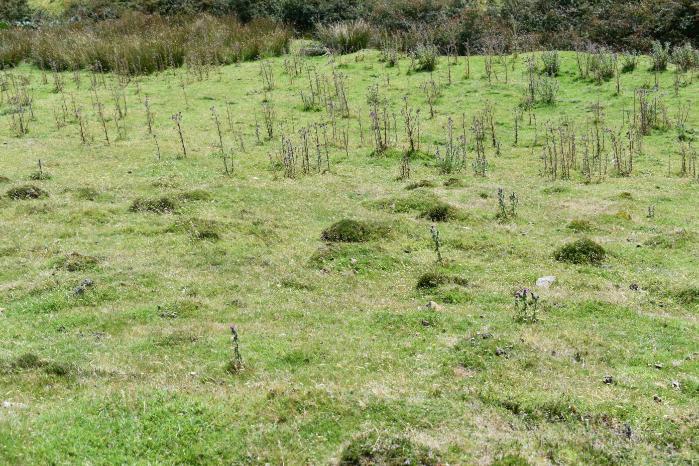
Look out for anthills in grassland, home of the yellow meadow ant. They are yellowy brown in colour and live underground. These remarkable ‘farmer’ ants have influenced soil structure and composition over the millennia. Their digging creates mounds of earth beneath which are cities full of worker ants and a queen. Anthills are an indicator of unimproved grassland which has been not been disturbed for generations, sure to have a diverse range of flora associated with grassland which has not been fertilised or limed. Grazing of this grassland is essential to prevent scrub encroachment and the loss of biodiversity including anthills.
Read more from the Growing Wild series